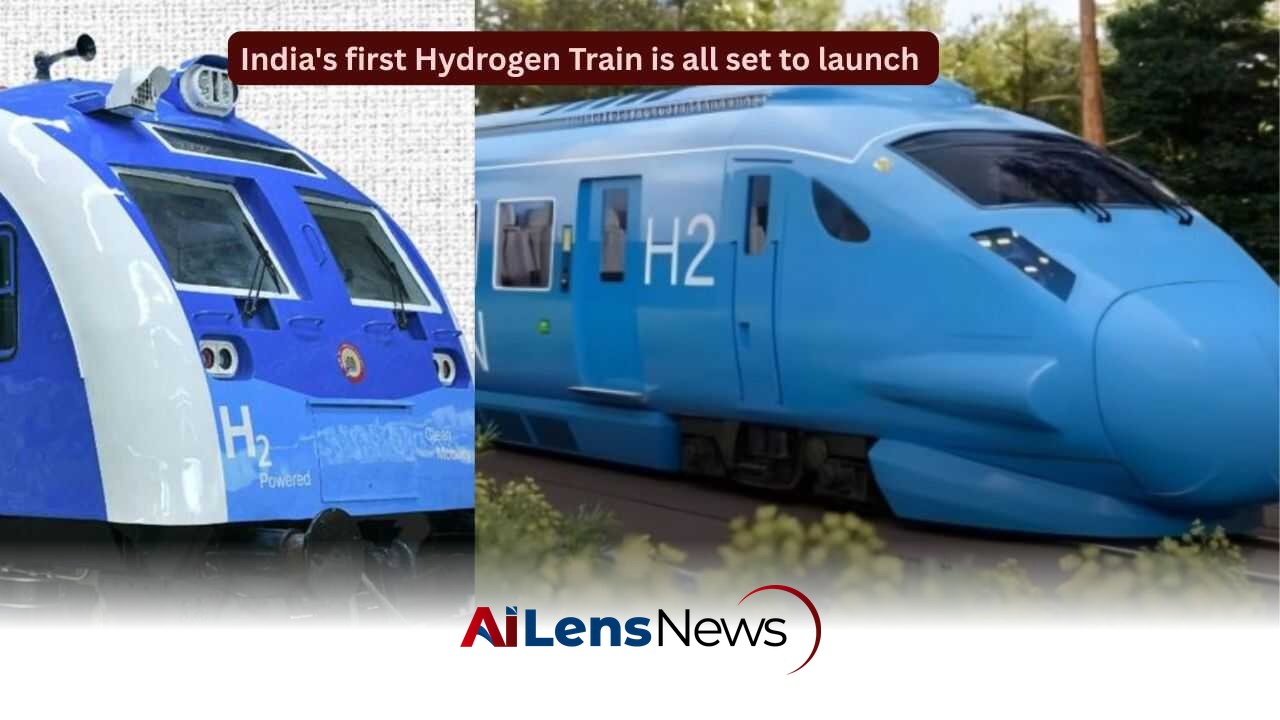


's first indigenous hydrogen-powered passenger train is set to launch on July 17, marking a significant milestone in sustainable rail travel.
New Delhi, India Jul 9, 2026 ALN: is set to make a groundbreaking advancement in sustainable transportation with the launch of its first indigenous hydrogen-powered passenger train on July 17. This initiative by n Railways represents a significant leap towards cleaner and more environmentally friendly rail travel. The introduction of such innovative technology not only demonstrates the country's commitment to sustainability but also positions it as a leader in the global shift towards alternative energy sources in public transport.
The hydrogen train will operate on the Jind to Sonipat section in Haryana. This route has been selected for its strategic importance and potential to showcase the capabilities of hydrogen fuel technology in public transport. The choice of this particular route is significant as it connects key urban centers and is expected to attract a high volume of passengers, thereby maximizing the impact of this eco-friendly initiative.
Hydrogen trains utilize hydrogen fuel cells to generate electricity, which powers the train's electric motors. Unlike conventional diesel engines, these fuel cells produce only water vapor as a byproduct, making them an emission-free alternative. This innovation not only reduces greenhouse gas emissions but also contributes to a quieter and more efficient rail system. The shift away from diesel engines is particularly crucial in urban areas, where air quality can be severely impacted by emissions from traditional trains.
The technology behind hydrogen trains involves the use of hydrogen stored in tanks, which is converted into electricity through a chemical reaction in the fuel cells. This process is not only clean but also allows for quick refueling, offering operational flexibility that can be advantageous over conventional electric trains that rely on extensive overhead wiring systems. This flexibility could make hydrogen trains a viable option for routes that are not yet electrified.
Details regarding the fare structure and schedule for the hydrogen train will be announced closer to the launch date. However, it is expected that the pricing will be competitive with existing diesel services, encouraging more passengers to opt for this eco-friendly mode of transport. The affordability of the service will be crucial in attracting a diverse ridership, from daily commuters to tourists, thus maximizing the environmental benefits of the hydrogen train.
In addition to pricing, the operational schedule will be designed to meet the needs of passengers, with peak hours and frequent service being prioritized. This approach aims to ensure that the hydrogen train can effectively compete with existing transport options while providing a reliable and efficient service.
The introduction of hydrogen-powered trains is a part of 's broader commitment to sustainable development and reducing carbon emissions. As the country aims to achieve net-zero emissions by 2070, innovations like these are crucial in transforming the transportation sector. The railway sector, being one of the largest consumers of fossil fuels, presents a significant opportunity for reducing overall emissions through the adoption of cleaner technologies.
Furthermore, the successful implementation of hydrogen trains could lead to increased investments in green technology across the transportation sector. Other forms of public transport, such as buses and ferries, may also explore hydrogen fuel as a viable alternative, creating a more integrated and sustainable transportation network.
Rail enthusiasts and environmental advocates alike are eagerly anticipating this launch, as it symbolizes a new era for n Railways. The excitement surrounding this project is not just about the technology itself but also about the potential it has to inspire further innovations in the field. By demonstrating the feasibility and effectiveness of hydrogen-powered trains, n Railways could encourage other countries to explore similar technologies, contributing to a global movement towards sustainable transport solutions.
The implications of this development extend beyond mere technological advancement. The hydrogen train initiative is a reflection of a growing global awareness regarding the urgent need to address climate change and reduce reliance on fossil fuels. This project aligns with international efforts to promote greener alternatives in public transportation, which is a significant contributor to urban pollution and greenhouse gas emissions.
Moreover, the launch of the hydrogen train could potentially stimulate local economies by creating jobs related to the production, maintenance, and operation of hydrogen trains. As the demand for clean energy solutions grows, the development of a hydrogen economy could lead to new opportunities in research, engineering, and manufacturing sectors, thereby fostering innovation and economic growth.
In addition to environmental and economic benefits, the advent of hydrogen trains may also enhance the public perception of rail travel. As people become more environmentally conscious, the availability of sustainable travel options could encourage a shift away from personal vehicles and air travel, which are often more carbon-intensive. By providing a clean and efficient alternative, the hydrogen train could help reshape public attitudes towards rail travel and its role in sustainable urban mobility.
As this initiative unfolds, it will be important to monitor its impact on both the environment and the public's perception of rail travel. The success of the hydrogen train could serve as a model for future projects and inspire a shift in how transportation systems are designed and implemented worldwide. With the right support and commitment to sustainability, hydrogen trains could become a common sight on railways around the globe, marking a significant milestone in the journey towards a cleaner, greener future.
In conclusion, the launch of 's first hydrogen train is not just a technological advancement; it is a step towards a more sustainable future for rail travel. As we approach the launch date, all eyes will be on this innovative train that promises to redefine how we think about public transportation. The project is not only a testament to the capabilities of modern engineering but also a reflection of society's growing awareness of the need for sustainable practices in all aspects of .
To learn more about the latest developments in Travel & Adventure, stay updated with our exclusive reports and analyses on AiLensNews.

