

A recent survey shows that a significant portion of Americans, especially younger adults, are prioritizing pets over parenthood, reshaping their lives around their animals.
Washington DC, United States Jul 14, 2026 ALN: A growing number of Americans—particularly younger adults—are prioritizing pets over parenthood, with many reshaping their finances and even future plans around their animals, according to a new survey by The Harris Poll.
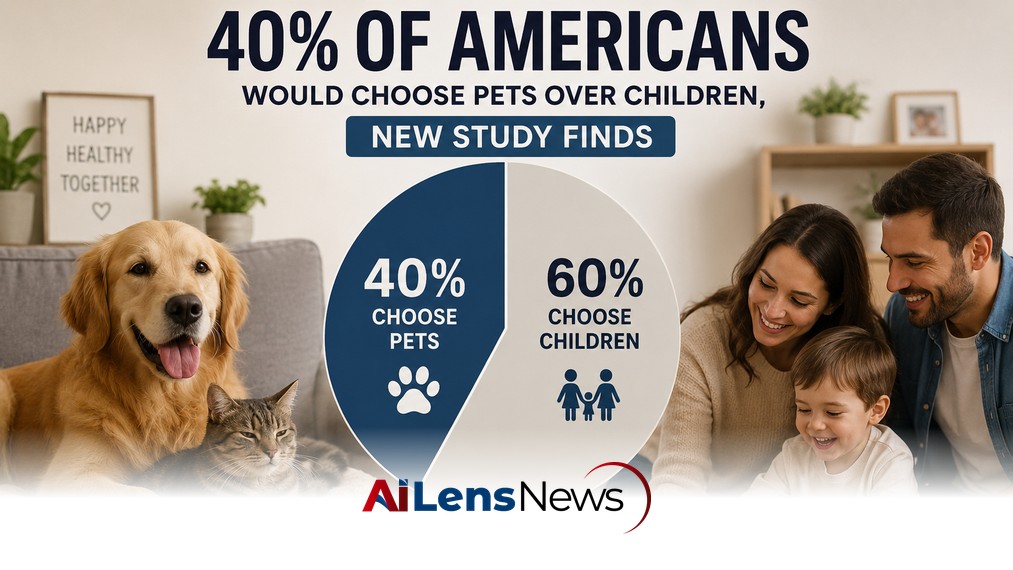
The 2026 State of Pets report found that 40% of Americans would choose pets over children if they had to decide between the two, while 55% of Gen Z and Millennials said they had considered building a life around pets instead of having children. This trend highlights a significant cultural shift in how individuals and families view companionship, responsibility, and the concept of family itself.
Historically, the traditional family structure in the United States has centered around having children, with societal expectations often placing a strong emphasis on parenthood as a key milestone in adulthood. However, changing economic conditions, evolving social norms, and a greater emphasis on personal fulfillment have led many to reconsider these expectations. Factors such as housing costs, student debt, and job market instability have made the prospect of raising children daunting for many young adults.
The survey also found that emotional bonds with pets continue to deepen. Among pet owners, 83% agreed with the statement, "My pet(s) is/are like my own child." This sentiment underscores the psychological and emotional significance pets hold in the lives of their owners, particularly as companionship needs evolve in modern society. Pets are increasingly seen as family members, providing emotional support, companionship, and unconditional love, which can be especially important for individuals living alone or in urban environments where social connections may be limited.
Explaining why many Americans would choose pets over children, the report found that 45% said they were "not in the right part of my life to take care of a child," while 35% believed pets are easier to care for and 32% said they are less of a financial strain than children. The perception of pets as less demanding than children reflects a broader trend of prioritizing personal freedom and flexibility in life choices, allowing individuals to invest time and resources into their pets without the long-term commitment associated with raising children.
Despite seeing pets as a more affordable alternative to raising children, many owners are struggling with the rising cost of pet care. The survey revealed that 44% of pet owners agreed that "the cost of living today makes me worry about whether I can continue to afford the life my pet deserves," with concern rising to 54% among Gen Z and Millennials. This statistic highlights the financial pressures that pet owners face, which can include expenses such as food, veterinary care, grooming, and other necessities that contribute to the overall cost of pet ownership.
To meet those costs, many owners are sacrificing their own spending. The survey found that 56% cook at home more instead of ordering takeout, 41% switch to cheaper grocery brands, and 39% cut back on personal comfort purchases to afford expenses for their pets. This willingness to adjust personal spending habits indicates the deep emotional investment pet owners have in their animals and their commitment to providing for them, even in the face of financial strain.
Among younger pet owners, financial sacrifices are even greater. Nearly three in ten (29%) Gen Z and Millennial pet owners agreed, "I am facing debt as a result of expenses related to my pet(s)." This statistic raises questions about the sustainability of pet ownership among younger generations, particularly as they navigate economic challenges and consider their long-term financial goals.
The report also highlighted the growing emotional role pets play in people's lives. Nearly half (49%) of single pet owners agreed with the statement, "I have given up on finding a romantic partner and rely on my pet(s) for companionship," while 78% said not treating pets like family is "a red flag" when forming close relationships. This finding suggests that pets are not only filling a void in companionship but also influencing social dynamics and relationship expectations among individuals, particularly in an age where dating and forming connections can be complicated by technology and changing social norms.
Even advances in artificial intelligence are unlikely to replace traditional pet ownership. Eighty-six percent of pet owners agreed that "AI pets could never replace the emotional bond that owners have with real live pets." This sentiment reflects a deep understanding of the unique relationship that exists between humans and animals, one that is built on mutual affection, loyalty, and companionship that cannot be replicated by technology.
As pet ownership becomes more central to people's lives, many owners also want governments to provide greater support. Nearly seven in ten (68%) said pet owners should receive tax breaks for food and medical expenses similar to child-related deductions, while 69% said they would adopt their pet as a legal dependent if it were possible. This desire for recognition and support from governmental structures indicates a shift in how society views pets—not merely as animals but as integral members of the family unit deserving of legal and financial considerations.
The online survey was conducted by The Harris Poll between April 24 and 26, 2026, among 2,070 U.S. adults, including 1,625 pet owners, and is nationally representative of the U.S. adult population. The findings of this survey not only reflect current attitudes toward pets and parenthood but also suggest broader implications for social policy, economic planning, and the evolving definition of family in contemporary society.
As the conversation around pets and parenthood continues to evolve, it will be important for policymakers, businesses, and communities to recognize the changing dynamics of family structures and the role that pets play in the lives of many Americans. Whether through support for pet care initiatives, community resources for pet owners, or considerations for legal recognition of pets as dependents, the implications of these findings could shape the future of pet ownership and family life in the United States.
To learn more about the latest developments in Mind & Soul, stay updated with our exclusive reports and analyses on AiLensNews.

