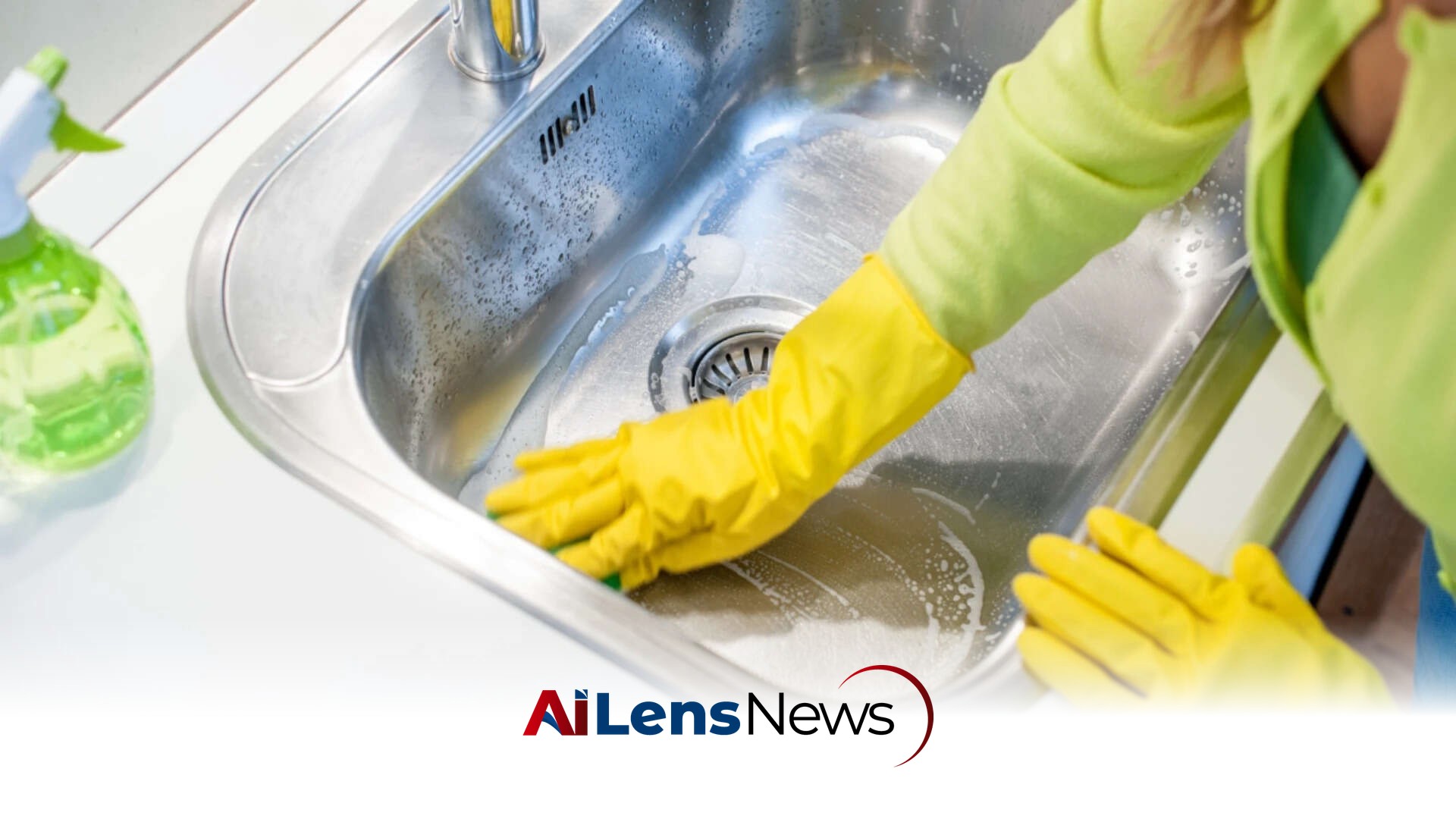


Learn how to effectively clean and shine your stainless steel sink using simple household ingredients. Follow these easy steps for a sparkling finish.
New Delhi, India Jul 22, 2026 ALN: Stainless steel sinks have become a staple in modern kitchens, valued for their combination of durability, aesthetic appeal, and resistance to corrosion. Their sleek, shiny surface complements a variety of kitchen s, from ultra-modern to traditional. However, despite their many advantages, stainless steel sinks can develop unsightly spots, stains, and streaks over time, particularly if they are not cleaned regularly or if harsh chemicals are used. Understanding how to properly maintain and clean a stainless steel sink is essential for preserving its appearance and functionality.
Regular cleaning and maintenance can prevent the buildup of grime and stains, which can detract from the sink's visual appeal and lead to more significant issues over time. Stainless steel is prone to scratches and dulling if not cared for correctly, which can make it appear older than it is. Fortunately, there is a straightforward method for revitalizing the sink using common household items, making it accessible for anyone looking to restore their sink's shine.
Stainless steel is an alloy primarily made of iron, carbon, and chromium, which gives it its corrosion-resistant properties. This material is favored in kitchens not only for its resilience but also for its hygienic qualities. Unlike other materials, stainless steel does not harbor bacteria or mold, making it an excellent choice for food preparation areas. However, maintaining its pristine condition requires regular attention.
Before you begin the cleaning process, it is vital to gather all necessary supplies. Having everything on hand will streamline the cleaning process and ensure you do not have to interrupt your work to find missing items. The following supplies are recommended:
These items are not only effective but also environmentally friendly, aligning with a growing trend in sustainable cleaning practices. Many homeowners are increasingly conscious of the impact of cleaning products on the environment and are seeking out natural alternatives.
To begin the cleaning process, rinse your stainless steel sink with hot water. The heat from the water helps to loosen any food particles, grease, or grime that may be stuck to the sink's surface. This initial rinse is crucial as it prepares the surface for the subsequent cleaning steps. It is advisable to use water that is as hot as you can comfortably handle, as this will be more effective in breaking down stubborn residues.
Once the sink is rinsed, sprinkle a generous amount of baking soda over the entire surface. Baking soda is not only an effective cleaning agent but also a natural deodorizer. Its mild abrasive properties make it ideal for scrubbing away stains without scratching the stainless steel. Ensure that you cover all areas of the sink, including around the faucet and drain, where grime tends to accumulate.
Baking soda is widely recognized for its versatility in cleaning, making it a popular choice in households. It can be used for a variety of cleaning tasks beyond just sinks, including deodorizing refrigerators, cleaning ovens, and even as a gentle scrub for countertops.
Using a soft cloth or sponge, gently scrub the sink, making sure to follow the direction of the grain. Stainless steel sinks often have a brushed finish, which means they have a specific grain pattern. Scrubbing against the grain can lead to scratches and damage the sink's surface. By scrubbing along the grain, you can clean effectively while preserving the finish of the sink. Pay special attention to any areas with stubborn stains, applying a little extra pressure as needed.
Understanding the grain of stainless steel is crucial for effective cleaning. Many people may not realize that the finish can be affected by how they clean it. Following the grain not only enhances the appearance but also prolongs the of the sink.
After scrubbing, it is time to rinse the sink with white vinegar. Pour the vinegar over the baking soda, and you will notice a fizzing reaction. This reaction is not only satisfying to watch but also effective in breaking down any remaining grime and disinfecting the surface. Allow the mixture to sit for a few minutes to maximize its cleaning power before rinsing again with hot water. This step is crucial as it helps to remove any residue left behind by the baking soda and vinegar combination.
The fizzing reaction occurs due to the acid in vinegar reacting with the alkaline baking soda. This natural reaction not only aids in cleaning but also helps to neutralize odors, making it a double-duty cleaning step.
After rinsing, it is essential to dry the sink immediately with a clean cloth. This step is often overlooked but is crucial for preventing new water spots from forming on the surface. Water spots can be particularly noticeable on stainless steel and can detract from the sink's overall appearance. Use a soft, absorbent cloth to thoroughly dry the sink, ensuring that no moisture is left behind.
Drying the sink promptly can also help prevent mineral deposits from forming, which can occur when water evaporates and leaves behind minerals. This is especially important in areas with hard water, where mineral buildup can be more pronounced.
To add an extra layer of shine and protection, buff the sink with a small amount of cooking oil. Using a soft cloth, apply the oil evenly across the surface of the sink. This not only enhances the shine but also creates a barrier against future stains and water spots. The oil can help to repel water and food particles, making it easier to keep the sink clean in the future. This step is particularly beneficial for maintaining the sink's appearance over time.
Buffing with oil is a technique that many homeowners may not consider, yet it can significantly improve the longevity and appearance of stainless steel fixtures. It is a simple yet effective way to maintain the luster of the sink and can be incorporated into regular cleaning routines.
By following these simple steps, you can keep your stainless steel sink looking as good as new. Regular maintenance not only enhances its appearance but also prolongs its span, making it a valuable addition to your kitchen. Beyond aesthetics, a well-maintained sink can contribute to a healthier kitchen environment by reducing the buildup of bacteria and other harmful substances. In addition to the cleaning steps outlined, consider incorporating regular maintenance into your kitchen cleaning routine. Frequent light cleanings can help prevent the buildup of grime and make deep cleaning easier and more effective.
In summary, a stainless steel sink is an investment in your kitchen that can pay off in both functionality and aesthetics. By understanding how to care for it properly, you can ensure that it remains a beautiful and practical feature of your home for years to come. The use of common household items not only makes this process accessible but also eco-friendly, aligning with a growing trend towards sustainable living and cleaning practices.
Moreover, as consumers become more aware of the environmental impact of their choices, the demand for eco-friendly cleaning solutions continues to rise. Embracing simple, natural cleaning methods can contribute to a healthier home and planet. As you maintain your stainless steel sink, remember that these practices can also be applied to other stainless steel appliances and fixtures in your kitchen, creating a cohesive and clean aesthetic throughout your space.
To learn more about the latest developments in Home & Living, stay updated with our exclusive reports and analyses on AiLensNews.

