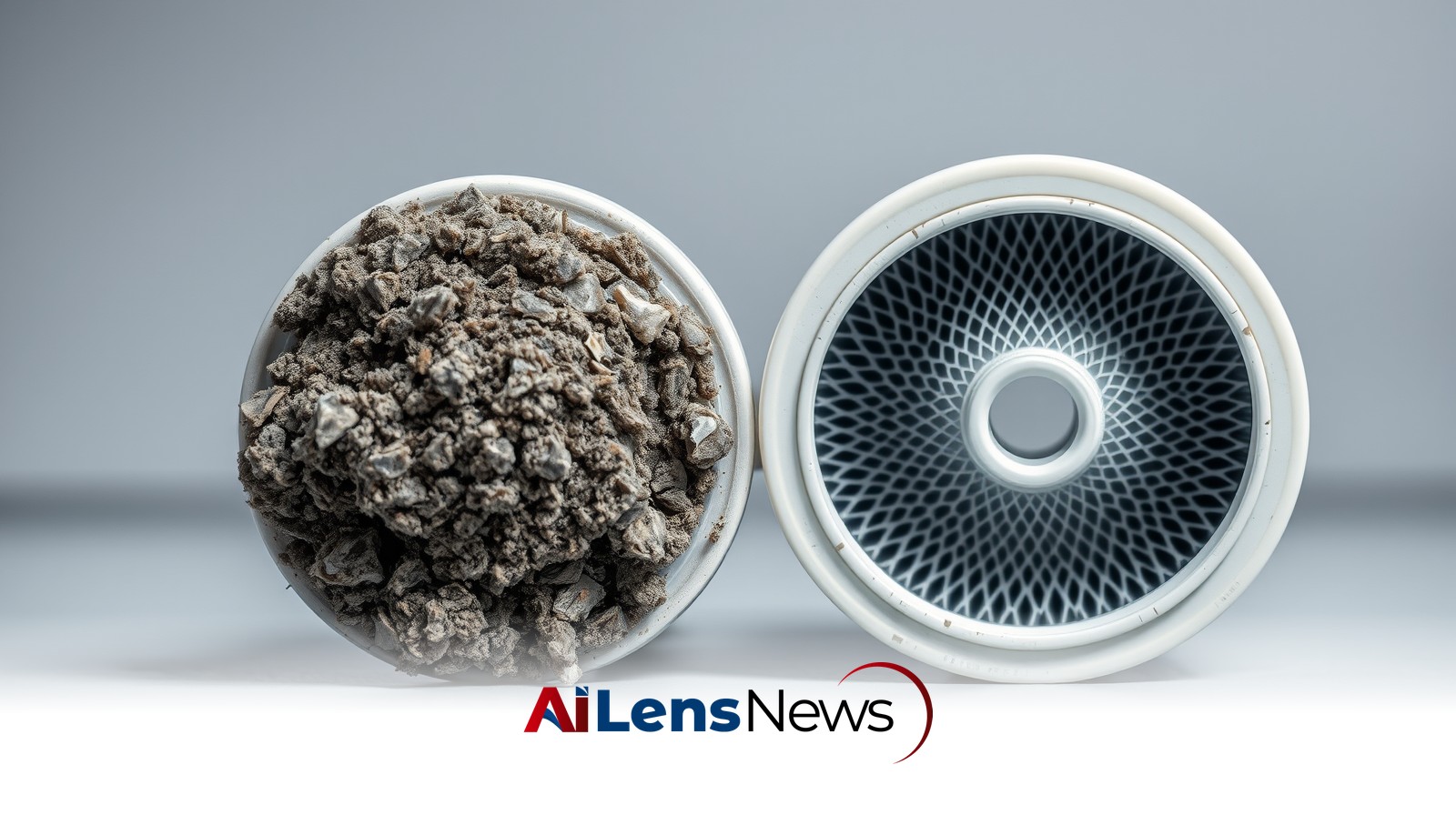


Learn how to clean your washing machine's water inlet filter to enhance washing performance and prevent issues like slow filling and dirty clothes.
New Delhi, India Jul 24, 2026 ALN: Is your washing machine taking longer than usual to fill up? Or perhaps your clothes are coming out of the wash cycle looking less than fresh? These issues could be linked to a clogged water inlet filter. Cleaning this filter is a straightforward process that can significantly improve your washing machine's performance. Here’s a step-by-step guide on how to do it.
The water inlet filter is designed to trap debris and sediment from your water supply, preventing it from entering the washing machine. Over time, this filter can become clogged, leading to:
Before you start, ensure your washing machine is unplugged to avoid any electrical hazards. This is a crucial safety step that should never be overlooked. Working on electrical appliances while they are plugged in can lead to serious injuries.
The water inlet filter is usually located at the back of the washing machine, where the water supply hoses connect. You may need to pull the machine away from the wall for better access. Familiarizing yourself with your washing machine’s layout can save time and effort during maintenance.
Using a wrench, carefully disconnect the water supply hoses from the back of the washing machine. Be prepared for some water spillage, so place a bucket or towel underneath. It’s advisable to turn off the water supply at the source before disconnecting the hoses to minimize any leakage.
Once the hoses are disconnected, you should see the water inlet filter. Gently pull it out from its housing. Take care not to damage any surrounding components. The filter is often made of plastic or mesh, and excessive force can break it or dislodge nearby parts.
Using a soft brush or toothbrush, scrub the filter to remove any debris or buildup. If the filter is particularly dirty, soak it in a solution of warm water and vinegar for about 30 minutes before scrubbing. Vinegar is a natural cleaning agent that can help dissolve mineral deposits and grime, making the cleaning process more effective.
After cleaning, rinse the filter under running water to remove any remaining dirt. Allow it to dry completely before reinstallation. Ensuring the filter is dry is important to prevent mold growth and ensure optimal performance once reinstalled.
Once the filter is dry, carefully place it back into its housing. Reconnect the water supply hoses, ensuring they are securely fastened. It’s advisable to check the hoses for any signs of wear or damage before reattaching them, as this can prevent future leaks.
Plug the washing machine back in and run a short cycle to ensure everything is functioning correctly. Check for any leaks around the hoses. This final step is crucial to confirm that the cleaning process was successful and that your washing machine is operating as it should.
Cleaning your washing machine's water inlet filter is a simple yet effective way to enhance its performance and prolong its span. Regular maintenance can prevent common issues and ensure your laundry comes out clean and fresh every time. In addition to cleaning the inlet filter, it’s advisable to perform routine checks on other components of your washing machine, such as the drain filter and door seals, to maintain overall efficiency.
While cleaning the water inlet filter is an essential maintenance step, it is also important to consider the quality of the water supply in your area. Hard water, which contains high levels of minerals like calcium and magnesium, can lead to quicker buildup of deposits in the filter. If you live in an area with hard water, you might need to clean your filter more frequently to maintain optimal washing machine performance.
Furthermore, if you notice persistent issues with water flow even after cleaning the inlet filter, it might be a sign of a more significant problem within the washing machine, such as issues with the water pump or internal hoses. In such cases, consulting a professional technician may be necessary to diagnose and resolve the problem effectively.
In summary, taking the time to clean your washing machine’s water inlet filter can lead to improved efficiency, better cleaning results, and a longer span for your appliance. It’s a small task that can make a big difference in your laundry experience. Regular maintenance not only ensures that your washing machine operates at its best, but it also saves you money in the long run by preventing more significant repairs that can arise from neglecting simple upkeep tasks.
In addition to cleaning the water inlet filter, it is beneficial to familiarize yourself with other maintenance tasks that can enhance the performance and longevity of your washing machine. For instance, regularly cleaning the drum, maintaining the door seals, and checking the drain pump can contribute to a more efficient washing process. Each of these components plays a vital role in ensuring that your washing machine functions correctly and that your laundry is thoroughly cleaned.
Moreover, understanding the signs of wear and tear in your washing machine can help you address issues before they escalate. For example, if you notice unusual noises during the wash cycle or if the machine vibrates excessively, these could indicate problems that require immediate attention. Addressing these issues promptly can prevent further damage and ensure that your washing machine continues to serve you well.
Finally, it is worth noting that the frequency of cleaning the water inlet filter may vary depending on usage patterns and water quality. For households that frequently do laundry or have a higher volume of washing, more regular maintenance may be necessary. Keeping a maintenance schedule can be an effective way to ensure that your washing machine remains in good condition over time.
In conclusion, the water inlet filter is a small but crucial component of your washing machine that can significantly impact its performance. By taking the time to clean and maintain this filter, you enhance the efficiency of your washing machine and contribute to a better laundry experience. Remember that proactive maintenance is key to preventing more costly repairs in the future, ensuring that your appliance remains reliable and effective for years to come.
To learn more about the latest developments in Home & Living, stay updated with our exclusive reports and analyses on AiLensNews.

