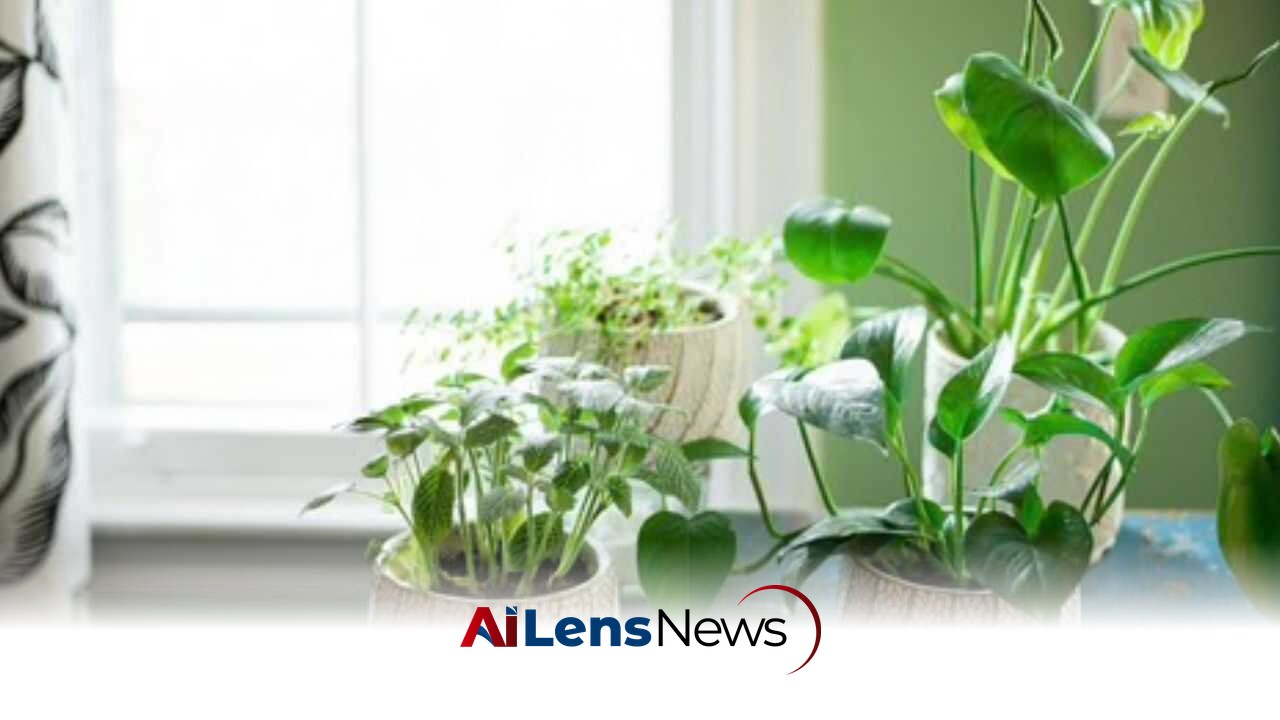


Transform your living space with indoor plants that thrive even in low-light conditions. Discover resilient varieties and essential care tips.
New Delhi, India Jul 5, 2026 ALN: Transform your living space with indoor plants that thrive even in low-light conditions. For those who may not have ample sunlight in their homes, certain plants can flourish beautifully, adding greenery and enhancing your environment. The trend of growing indoor plants has gained significant popularity in recent years, especially as urban living spaces become smaller and natural light becomes a rare commodity. Many individuals are discovering the joys of indoor gardening, which not only beautifies their surroundings but also contributes positively to mental health and well-being.
Indoor gardening is more than just a trend; it represents a shift in how people interact with their living spaces. As urbanization continues to rise, many individuals find themselves in apartments or homes with limited access to natural light. This has led to a growing interest in plants that can thrive in less-than-ideal lighting conditions, allowing people to bring a touch of nature into their homes regardless of their environment. By incorporating plants into their decor, individuals can create a more inviting atmosphere that promotes relaxation and comfort.
One of the best options for low-light conditions is the snake plant (Sansevieria), also known as mother-in-law's tongue. Known for its resilience, this plant requires minimal care and can survive in indirect light. Snake plants are particularly appealing because they have striking, upright leaves that can grow several feet tall, making them a dramatic addition to any room. They are also known for their air-purifying qualities, as they can filter out toxins from the air, making them a healthy choice for indoor environments. The snake plant's ability to convert carbon dioxide into oxygen at night further distinguishes it as an excellent choice for bedrooms, where it can contribute to improved air quality while you sleep.
Another excellent choice is the peace lily (Spathiphyllum), which not only tolerates low light but also blooms beautiful white flowers, enhancing your indoor decor. The peace lily is particularly favored for its ability to thrive in shady conditions, making it an ideal plant for rooms that do not receive much natural light. Furthermore, peace lilies are also known for their air-purifying properties, which can help to remove harmful pollutants from the indoor environment. Their ability to absorb excess moisture from the air can also help maintain humidity levels, which is beneficial in dry indoor climates.
To ensure your indoor plants thrive, it’s essential to follow some basic care tips:
In addition to these care tips, consider rotating your plants occasionally to ensure all sides receive equal light exposure. This promotes even growth and prevents the plants from leaning towards the light source. Regularly inspecting your plants for signs of pests or disease is also crucial for maintaining their health. Common indoor plant pests include spider mites, aphids, and mealybugs, which can be managed with natural remedies or insecticidal soap if necessary. It is important to act quickly if you notice any pests, as they can quickly multiply and cause significant damage to your plants.
Furthermore, understanding the specific needs of each plant species can greatly enhance your success with indoor gardening. For instance, while snake plants and peace lilies are forgiving, other low-light plants like pothos (Epipremnum aureum) and ZZ plants (Zamioculcas zamiifolia) also have unique care requirements. Pothos, known for its trailing vines, can adapt to a variety of light conditions, making it a versatile choice for shelves or hanging baskets. ZZ plants are particularly drought-resistant and can thrive on neglect, making them perfect for busy individuals. Their glossy leaves add a touch of elegance to any space, further enhancing their appeal as indoor plants.
Incorporating indoor plants into your home can significantly enhance your living space. Not only do they improve air quality by absorbing carbon dioxide and releasing oxygen, but they also create a calming atmosphere. Studies have shown that being around plants can reduce stress levels, improve concentration, and even boost mood. The act of caring for plants can also provide a sense of purpose and fulfillment, contributing to overall well-being. This connection with nature, even in small doses, has been shown to have therapeutic effects, making indoor gardening a beneficial hobby for many.
Moreover, the aesthetic value of indoor plants cannot be overstated. They add color, texture, and vibrancy to otherwise sterile environments. Whether placed strategically in living rooms, bedrooms, or home offices, plants can serve as focal points or subtle enhancements to your decor. The trend of biophilic design, which emphasizes the connection between people and nature, has further propelled the popularity of indoor gardening. This design philosophy advocates for the integration of natural elements into everyday spaces, promoting a healthier and more balanced .
Additionally, incorporating plants into your home can lead to increased productivity. Research has shown that having greenery in workspaces can enhance creativity and focus, making it an excellent choice for home offices or study areas. The presence of plants can also help to reduce noise levels, creating a more serene environment conducive to concentration and productivity.
In conclusion, with the right care and attention, even plants that thrive in low-light conditions can flourish, bringing a touch of nature indoors. As more people seek to create serene and inviting spaces within their homes, the inclusion of indoor plants offers a practical and rewarding solution. Whether you are a seasoned plant parent or just starting your indoor gardening journey, the joy of nurturing plants and watching them grow can be a fulfilling experience, transforming your living space into a vibrant oasis of greenery. As the appreciation for indoor gardening continues to grow, it is clear that these plants not only enhance our physical environments but also enrich our lives in countless ways.
To learn more about the latest developments in Home & Living, stay updated with our exclusive reports and analyses on AiLensNews.

