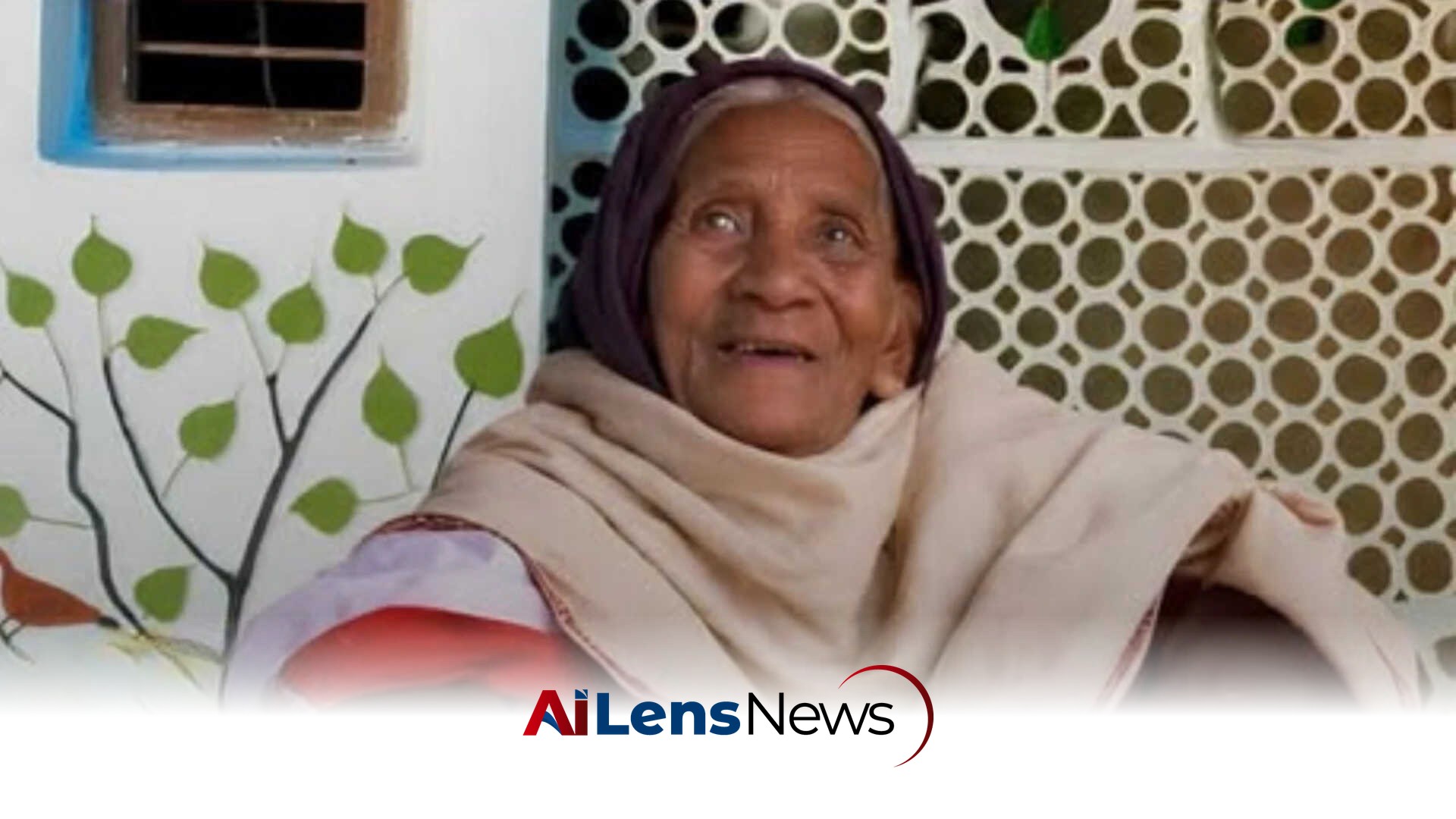


Sonabai Rajwar transformed her isolated into a thriving clay art career, gaining international recognition and inspiring her community in Chhattisgarh.
New Delhi, India Jul 7, 2026 ALN: Sonabai Rajwar's journey is one of resilience and creativity, emerging from a situation of confinement to become a celebrated artist. For 15 years, she was locked inside a windowless house by her husband, a situation that could have stifled her spirit. Instead, Rajwar turned her isolation into a canvas for her imagination, pioneering a unique form of clay art that reflects her experiences and cultural heritage.
The story of Sonabai Rajwar is not just an individual narrative; it is a profound reflection of the broader societal issues surrounding women's rights, domestic abuse, and the transformative power of art. In many regions of , women face various forms of oppression, often trapped in cycles of violence and control. Rajwar's experience highlights the urgent need for awareness and intervention in such situations, as well as the importance of empowering women to reclaim their voices and identities.
Initially, her creations were made for her son, who became a source of inspiration and motivation for her artistic endeavors. These early pieces were simple yet imbued with deep emotional significance, as they were born out of her love and desire to provide for her child. However, as her skills developed, her work began to attract attention beyond her immediate surroundings. Rajwar's talent was discovered by researchers who recognized the significance of her work in the context of folk art, leading to exhibitions that showcased her art to a wider audience, bringing her creations into the spotlight.
Over the years, Sonabai Rajwar's clay art has received numerous accolades, including the prestigious Tulsi Samman and the National Award for Master Craftsperson. These honors not only validate her artistic prowess but also highlight her role in promoting traditional crafts in Chhattisgarh and beyond. The recognition she has received serves as an important reminder of the value of preserving and celebrating indigenous art forms, which often carry with them the history and culture of the communities they originate from.
Rajwar's artistic legacy continues to inspire the Rajwar community in Chhattisgarh, encouraging others to embrace their creativity and share their stories through art. Her work serves as a reminder of the transformative power of creativity, even in the most challenging circumstances. By turning her pain into art, Rajwar has not only healed herself but has also provided a voice for those who may be suffering in silence. Her story resonates with many, especially women who have faced similar struggles, and it encourages them to find their own paths to expression and empowerment.
Today, her home, once a prison, has been transformed into a museum that showcases her art and the rich cultural heritage of her community. This remarkable transformation symbolizes hope and resilience, inspiring many to find beauty and purpose in their struggles. The museum serves as a space for education and cultural exchange, allowing visitors to engage with the history and traditions of the Rajwar community while also appreciating the artistic innovations that have emerged from it.
Sonabai Rajwar's story is not just about art; it is about the indomitable human spirit and the ability to rise above adversity. Her journey continues to resonate with many, proving that creativity can flourish even in the darkest of . In a world where many women still face oppression and violence, Rajwar's story serves as a beacon of hope and a testament to the strength of the human spirit.
As her story spreads, it raises important questions about the role of art in social change and the potential for creative expression to foster healing and resilience. Rajwar's work encourages a dialogue about the importance of supporting artists from marginalized communities and recognizing the value of their contributions to the cultural landscape. By sharing her experiences through her art, Rajwar not only preserves her own story but also honors the stories of countless others who have faced similar challenges.
Moreover, Rajwar's journey illustrates the intersection of gender, culture, and creativity. It highlights how traditional crafts can serve as a medium for personal expression and social commentary, allowing artists to challenge societal norms and advocate for change. Her clay art, which often incorporates themes from her environment and personal experiences, invites viewers to reflect on their own experiences and the broader societal issues that affect women and marginalized communities.
The context of Rajwar's story is crucial in understanding the systemic issues that lead to domestic abuse and the silencing of women's voices. In many societies, women are often seen as subordinate to men, which can lead to a culture of silence around issues of abuse. Rajwar's initial confinement reflects a common reality for many women who find themselves in abusive relationships, where their autonomy is stripped away, and their identities are diminished. Her eventual emergence as an artist not only signifies her personal victory but also serves as a rallying point for discussions around women's rights and empowerment.
Art has long been a powerful tool for social change, and Rajwar's journey exemplifies this potential. Her clay art is not merely an aesthetic endeavor; it is a form of storytelling that encapsulates her struggles, triumphs, and the rich cultural heritage of her community. By transforming her pain into art, she has created a narrative that resonates with many, encouraging others to speak out against their own struggles and find solace in creativity.
In addition to her artistic contributions, Rajwar's story also emphasizes the importance of community support in overcoming adversity. The transformation of her home into a museum serves as a testament to the collective strength of the Rajwar community, showcasing how solidarity can foster resilience. This museum not only preserves Rajwar's work but also serves as a hub for cultural exchange, allowing visitors to engage with the stories and traditions of the community, thereby fostering a deeper understanding of the challenges faced by women in similar situations.
Furthermore, Rajwar's experiences shed light on the significance of mental health and healing through creative expression. The act of creating art can be therapeutic, providing individuals with a means to process their emotions and experiences. For Rajwar, her clay art became a sanctuary, a space where she could explore her identity and reclaim her narrative. This aspect of her journey underscores the importance of providing support systems for individuals facing trauma, as well as the need for accessible avenues for creative expression.
In conclusion, Sonabai Rajwar's and work remind us of the power of art to transcend boundaries and connect individuals across different backgrounds and experiences. Her transformation from a victim of domestic abuse to a celebrated artist and cultural icon underscores the importance of resilience, creativity, and community support. By sharing her story, Rajwar not only empowers herself but also inspires others to find their voices and reclaim their narratives through art. Her legacy is a call to action for society to recognize and uplift the stories of women, particularly those from marginalized backgrounds, and to advocate for a world where creativity and expression are accessible to all.
To learn more about the latest developments in Relationships, stay updated with our exclusive reports and analyses on AiLensNews.

