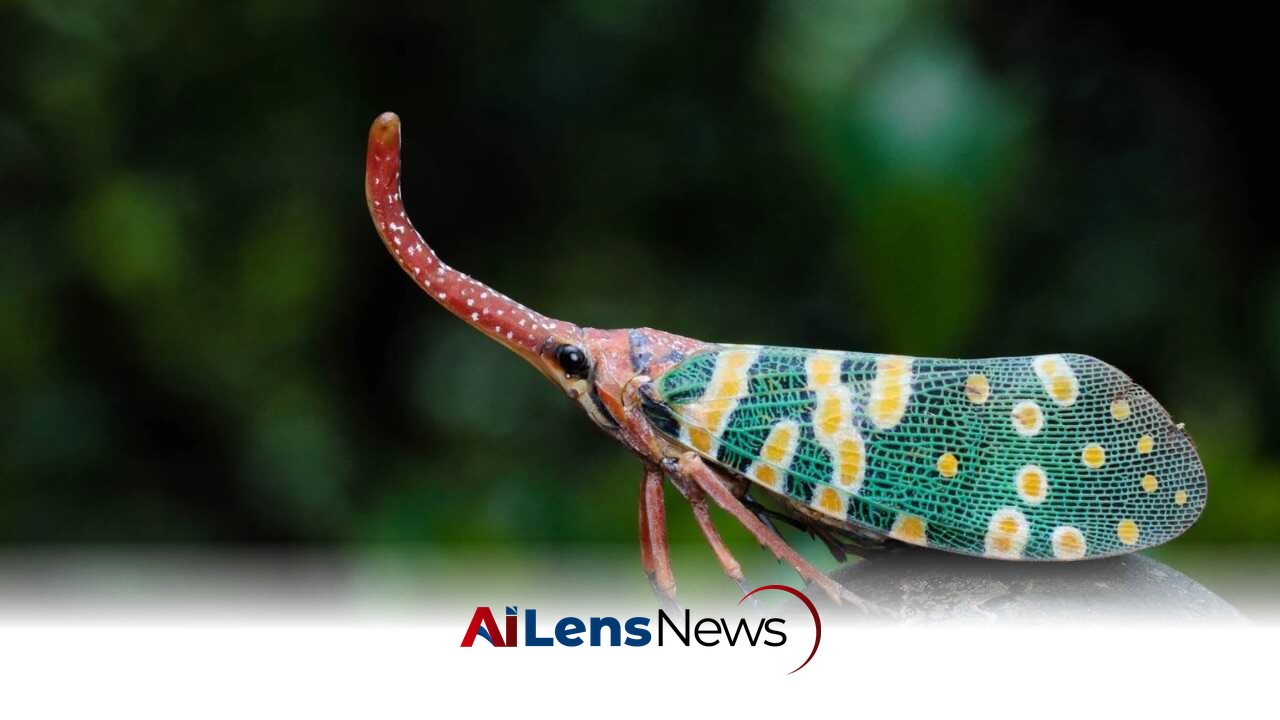


A new study estimates that Earth may host over 20 million insect species, emphasizing the need for conservation efforts.
New Delhi, India Jul 6, 2026 ALN: A groundbreaking study suggests that Earth may host up to 20.3 million insect species, significantly more than the previously estimated 6 million. This revelation comes from extensive research conducted in Costa Rica, where scientists performed detailed surveys to better understand the diversity of insects. The implications of this study are profound, as they challenge long-standing assumptions about biodiversity and highlight the critical need for further exploration and conservation of insect species.
The research in Costa Rica involved exhaustive fieldwork, where scientists meticulously cataloged various insect species in different habitats. The rich biodiversity of Costa Rica, which is home to numerous ecosystems ranging from rainforests to cloud forests, provided an ideal setting for this extensive survey. The researchers employed a variety of methods, including trapping, visual surveys, and environmental DNA sampling, to ensure a comprehensive assessment of the insect population. These methodologies not only allowed for the identification of known species but also facilitated the discovery of previously undocumented species, which contributes to the growing database of entomological knowledge.
By extrapolating their findings from Costa Rica to a global scale, the researchers estimated that the actual number of insect species could be much higher than previously thought. This estimation process involved comparing the diversity observed in the study area with existing biodiversity data from other regions around the world. Such scaling is inherently complex, as it requires careful consideration of factors like habitat type, geographical distribution, and ecological niches that insects occupy. The study emphasizes the need for more extensive surveys across diverse ecosystems around the globe to refine these estimates and improve our understanding of insect biodiversity.
This study not only sheds light on the vast unknown biodiversity of our planet but also highlights the urgent need for insect conservation. Insects are integral to the functioning of ecosystems, contributing to essential processes such as pollination, decomposition, and nutrient cycling. For instance, many flowering plants depend on insects for pollination, which is crucial for the production of fruits and seeds. Without these pollinators, many crops and wild plants would fail to reproduce, leading to significant ecological and agricultural consequences. In fact, it is estimated that one-third of the food we consume relies on insect pollination, making their conservation not only an environmental issue but also a vital agricultural concern.
Moreover, insects are vital in the decomposition process, breaking down organic matter and recycling nutrients back into the soil. This process supports plant growth and maintains soil health, which is essential for sustaining both natural ecosystems and agricultural systems. Additionally, insects serve as a primary food source for a wide range of animals, including birds, mammals, amphibians, and reptiles. The decline of insect populations can therefore have cascading effects throughout the food web, impacting species diversity and ecosystem stability. The interconnectedness of these species illustrates that the health of insect populations is a bellwether for overall ecosystem health.
Despite their importance, insects are facing alarming population declines due to human activities. Habitat destruction, driven by urbanization, agriculture, and deforestation, has led to the loss of natural habitats where insects thrive. The expansion of agriculture often results in monocultures that lack the diversity necessary to support a wide array of insect species. Furthermore, pollution from pesticides and chemicals can have detrimental effects on insect health and reproduction. Studies have shown that neonicotinoids, a class of neurotoxic insecticides, can severely impact bee populations, which are critical pollinators. Climate change also poses a significant threat, as shifting temperatures and weather patterns disrupt the habitats and cycles of many insect species, leading to mismatches in timing between insects and their food sources or breeding partners.
As scientists continue to explore and document the myriad of insect species, it becomes increasingly clear that many remain undiscovered. The vast majority of insect species are small and often overlooked, making them difficult to study and identify. This underscores the importance of ongoing research and conservation efforts to protect these essential components of our ecosystem. Increased funding and support for entomological research, as well as public awareness campaigns, are critical to fostering a greater understanding of insects and their ecological roles. Engaging the public in citizen science initiatives can also enhance data collection efforts, allowing for broader participation in biodiversity monitoring.
In addition to scientific research, conservation strategies must be implemented to protect insect habitats and mitigate the threats they face. This includes creating protected areas, implementing sustainable agricultural practices, and reducing pesticide use. Engaging local communities in conservation efforts can also enhance the effectiveness of these strategies, as local knowledge and stewardship play a crucial role in preserving biodiversity. Education and outreach programs that emphasize the importance of insects in ecosystems can help foster a culture of conservation and encourage individuals to take action in their own communities.
In conclusion, the findings from this study not only expand our understanding of biodiversity but also serve as a call to action for conservationists and policymakers alike. Protecting insect populations is crucial for maintaining ecological balance and ensuring the health of our planet. The potential existence of over 20 million insect species highlights the urgency of prioritizing biodiversity conservation in global environmental agendas. As we move forward, it is imperative that we recognize the intrinsic value of all species, no matter how small, and take meaningful steps to safeguard their future. The preservation of insect diversity is not just about protecting a single group of organisms; it is about ensuring the resilience and sustainability of ecosystems that support on Earth.
To learn more about the latest developments in Health & Wellness, stay updated with our exclusive reports and analyses on AiLensNews.

