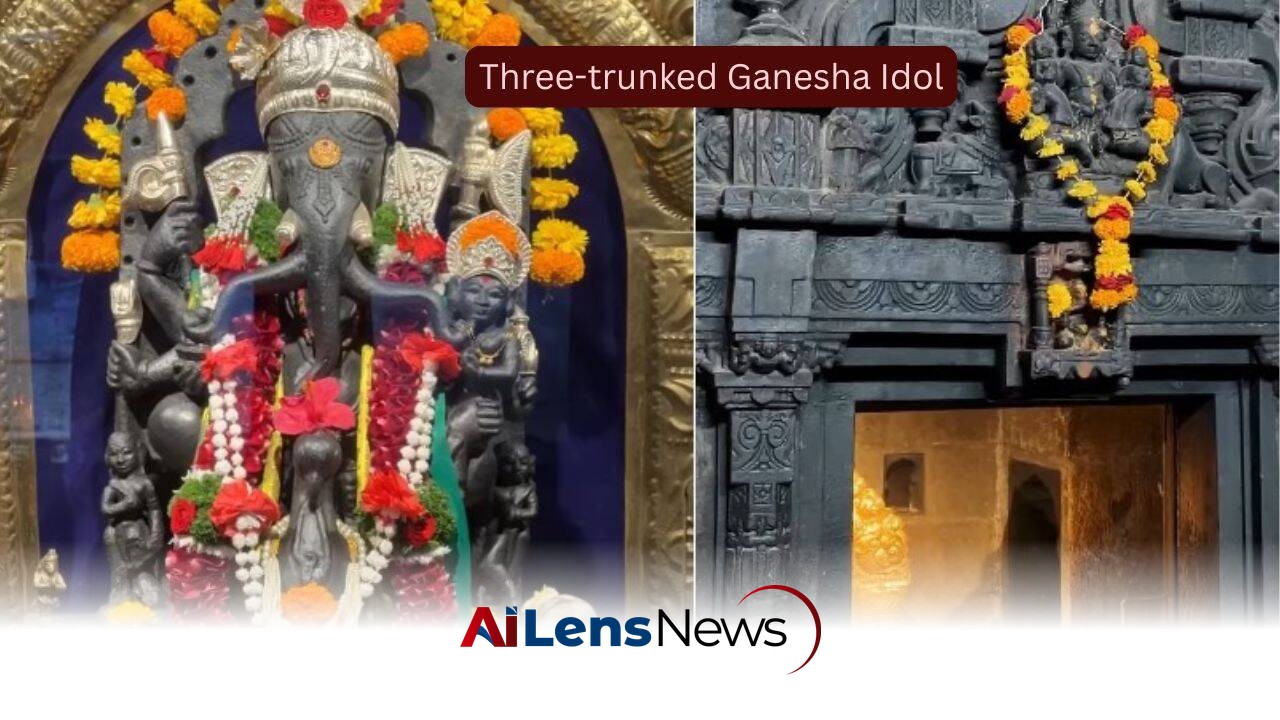


Pune's Shree Trishunda Ganpati Temple features a rare three-trunked Ganesha idol and an underwater chamber, showcasing rich architectural history.
New Delhi, India Jul 9, 2026 ALN: Pune's Shree Trishunda Ganpati Temple stands as a remarkable site that attracts both devotees and curious travelers alike. Nestled in the scenic landscapes of Maharashtra, this temple is notable for housing a rare idol of Lord Ganesha, which features an extraordinary design with three trunks and six arms, riding a peacock. The uniqueness of this idol makes it a significant attraction for those interested in religious art and culture, as well as for those who seek to explore the diverse manifestations of deities within Hindu mythology.
The significance of Lord Ganesha, known as the remover of obstacles and the god of beginnings, is deeply embedded in the cultural fabric of . His representations vary widely across the country, but the three-trunked idol found in Shree Trishunda Ganpati Temple is particularly unique, symbolizing the convergence of various aspects of and the universe. This striking idol not only draws religious devotees but also fascinates art historians and cultural enthusiasts, who see it as an embodiment of the intricate symbolism that characterizes Hindu iconography.
In addition to its striking idol, the temple is home to a mysterious underwater samadhi. This chamber is submerged for most of the year, adding an element of intrigue to the temple's already fascinating history. The underwater samadhi is believed to be a resting place for a revered saint or sage, although the exact details surrounding it remain largely unexplored. Visitors often express awe at the thought of this hidden feature, which is shrouded in mystery and invites speculation about its origins and purpose. The presence of such a chamber underscores the temple's spiritual significance, as it serves as a reminder of the deep connections between the divine and the earthly realms.
The Shree Trishunda Ganpati Temple dates back to the 18th century, showcasing a blend of architectural influences from various regions. The intricate carvings and designs reflect a rich cultural tapestry, making it a valuable site for those interested in history and architecture. The temple's structure exhibits a harmonious blend of traditional Hindu architectural s, characterized by ornate pillars, detailed sculptures, and elaborate motifs that narrate stories from Hindu mythology.
Architectural historians often point to the temple as an example of the regional variations in temple design that emerged during the 18th century, influenced by local artisans and the socio-political climate of the time. The craftsmanship displayed in the temple’s construction is a testament to the skills of the artisans who worked on it, reflecting their dedication to both aesthetic beauty and spiritual significance. The use of locally sourced materials and traditional construction techniques further enhances its historical value, providing insights into the architectural practices of the period.
Inscriptions found within the temple are written in Sanskrit, Devanagari, and Persian, revealing its multicultural past. These inscriptions tell stories of the temple's significance over the centuries and highlight the diverse influences that have shaped its identity. The presence of Persian inscriptions indicates the historical interactions between different cultures in the region, particularly during the time of the Mughal Empire, when art and culture flourished through cross-cultural exchanges.
This multicultural aspect of the temple not only enriches its historical narrative but also serves as a reminder of the syncretic nature of n culture, where different traditions and beliefs coexist and influence one another. The temple stands as a symbol of unity amidst diversity, embodying the essence of Maharashtra’s rich cultural heritage. It reflects the historical coexistence of Hindu and Islamic cultures, which is a hallmark of the region's past, showcasing how these interactions have contributed to the rich tapestry of n civilization.
For travelers looking to visit the Shree Trishunda Ganpati Temple, it is conveniently accessible from Pune city. The temple is located in a serene environment, making it a perfect spot for reflection and exploration. Here are some tips for your visit:
In conclusion, the Shree Trishunda Ganpati Temple offers a unique blend of spirituality, history, and architectural beauty. Whether you are a devotee seeking blessings or a traveler eager to explore the cultural heritage of Maharashtra, this temple is a must-visit destination that promises to leave a lasting impression. The combination of its unique idol, mysterious underwater chamber, and rich historical context makes it an essential stop for anyone interested in the deeper narratives that shape the region's identity.
As the temple continues to attract visitors from various backgrounds, it serves as a living testament to the enduring relevance of faith, art, and history in contemporary society. The experience of visiting Shree Trishunda Ganpati Temple is not just about witnessing a remarkable idol or architectural wonder; it is about engaging with a piece of living history that resonates with the spiritual and cultural aspirations of many. The temple stands as a reminder of the importance of preserving such sites, which play a crucial role in maintaining the cultural continuity and collective memory of a community.
Moreover, the temple's significance extends beyond its physical structure. It plays a vital role in the community, hosting festivals and rituals that draw people together, fostering a sense of belonging and shared identity. Events such as Ganesh Chaturthi, when devotees celebrate the birth of Lord Ganesha, see thousands of visitors flocking to the temple, highlighting its importance as a center of spiritual and cultural activity. Such gatherings not only reinforce religious beliefs but also strengthen social bonds among community members.
As travelers plan their visit to the Shree Trishunda Ganpati Temple, they are encouraged to engage with the local culture and traditions, perhaps by participating in rituals or learning about the temple's history from local guides. This engagement enriches the experience and allows visitors to appreciate the temple's role in the broader context of Maharashtra's cultural landscape. The temple is not merely an architectural marvel; it is a vibrant hub of spiritual that continues to inspire and attract those who seek to connect with the divine and the rich heritage of .
To learn more about the latest developments in Travel & Adventure, stay updated with our exclusive reports and analyses on AiLensNews.

