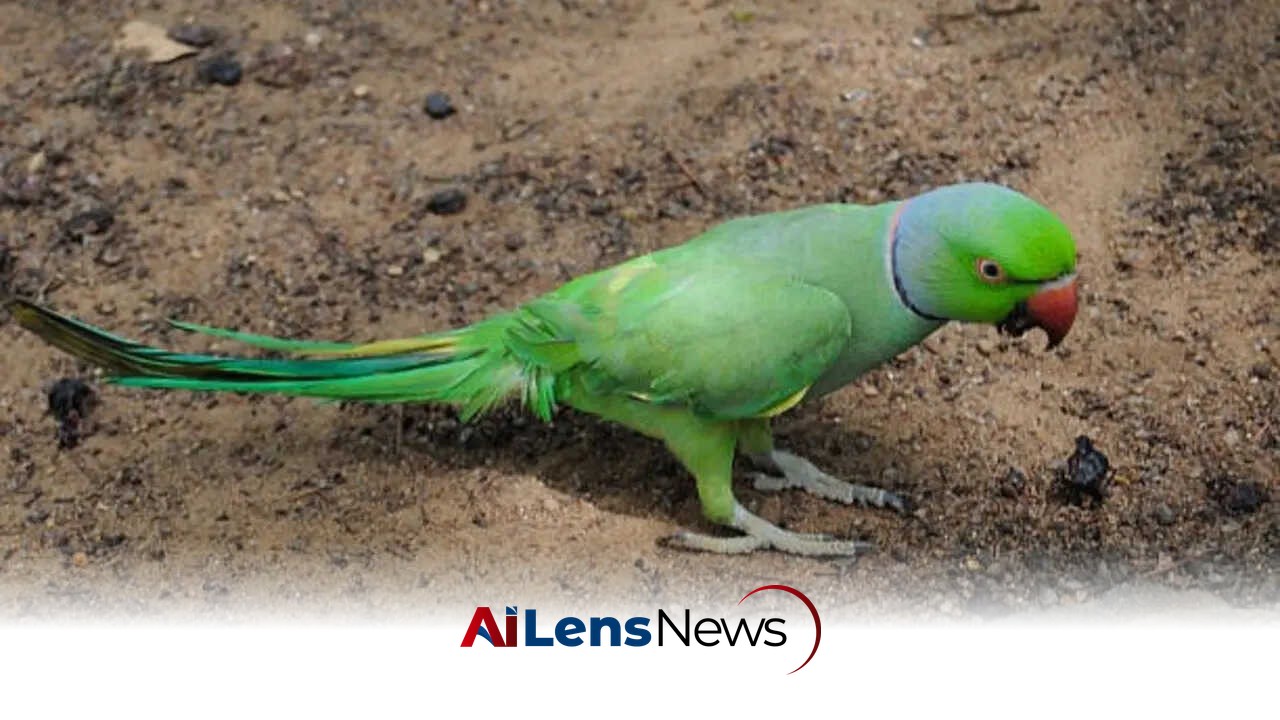


Discover the fascinating traits of ring-necked parrots, from their intelligence to their adaptability in various environments.
New Delhi, India Jul 4, 2026 ALN: With their bright green coloration, loud noises, and flashy flight, ring-necked parrots are among the most recognizable birds in the world. However, there is much more behind the vivid colors of this bird than meets the eye. According to Wild SOS, the species demonstrates amazing intelligence and adaptability. These traits have made them a subject of interest not just for bird watchers, but also for researchers studying avian behavior and intelligence.
These parrots are known for their ability to mimic sounds, survive in different types of environments, and exhibit interesting social behaviors. Ring-necked parrots inhabit regions in South Asia and Central Africa, but they have also established wild populations in several other places around the globe, including parts of Europe and North America, primarily due to the pet trade. Their adaptability to urban settings has allowed them to thrive in cities where they often find ample food sources and nesting sites.
One of the most surprising traits of ring-necked parrots is their ability to mimic human speech and other sounds. This skill not only makes them entertaining companions but also showcases their intelligence. Studies have shown that these parrots can learn a variety of words and phrases, often picking them up quickly from their human companions. Their vocal mimicry is not just limited to speech; they can imitate various environmental sounds, such as ringing phones or doorbells. This ability to mimic is thought to be a survival mechanism that helps them communicate within their flocks and navigate their social structures.
Ring-necked parrots can thrive in various environments, from dense forests to urban areas. Their adaptability allows them to find food and shelter in diverse settings. This flexibility is particularly evident in urban environments, where they have learned to exploit human resources, such as gardens and parks, to find food. Their ability to adjust their diet based on availability is crucial for their survival, especially as their natural habitats face increasing pressures from human development. Urbanization has led to a significant transformation of landscapes, and these parrots have shown remarkable resilience in adapting to these changes.
These parrots are highly social animals. They often form strong bonds with their flock and can be seen engaging in playful behaviors with one another. Social structures within their groups can be complex, with hierarchies and alliances forming among individuals. This social nature also extends to their interactions with humans, as they often seek companionship and stimulation from their human caregivers. Their playful antics and social interactions make them popular pets, but they require significant social interaction to thrive, which can be a challenge for some owners. Potential pet owners should be aware that a solitary ring-necked parrot may become bored or develop behavioral issues if not given adequate social stimulation.
Ring-necked parrots primarily feed on seeds, fruits, and nuts. Their strong beaks are perfectly adapted for cracking open tough shells to access the nutritious contents inside. They are also known to forage for food in pairs or small groups, which not only provides them with safety in numbers but also allows them to share information about food sources. This foraging behavior is a critical aspect of their survival, as it helps them locate food in their natural habitats, which can vary significantly in terms of availability depending on the season. Their diet may also include flowers and leaves, showcasing their flexibility in food choices based on what is available in their environment.
While the most common coloration is bright green, ring-necked parrots can also be found in various color mutations, including blue and yellow, due to selective breeding. These color variations have gained popularity in the pet trade, leading to a diverse range of appearances among captive birds. However, it is essential to note that the vibrant colors of these parrots serve a purpose in the wild, as they play a role in mating displays and social interactions among flock members. The allure of their colors, combined with their intelligence, makes them a sought-after species for aviculture. This interest in color mutations has also raised ethical questions about breeding practices and the importance of maintaining genetic diversity within captive populations.
In captivity, ring-necked parrots can live for over 30 years, making them a long-term commitment for pet owners. Their longevity is a testament to their resilience and adaptability. This extended span means that potential owners need to consider their ability to provide care for many years, including proper nutrition, social interaction, and mental stimulation. Additionally, as they age, these parrots may develop health issues typical of older birds, necessitating regular veterinary care and attention to their changing needs. Owners should be prepared for the responsibilities that come with caring for a long-lived companion, including potential changes in and household dynamics as the bird ages.
While ring-necked parrots are popular pets, their populations in the wild are threatened by habitat loss and trapping. Deforestation and urbanization have significantly reduced their natural habitats, leading to declining populations in some regions. Moreover, the illegal pet trade poses a serious threat, as wild birds are often captured and sold in markets. Conservation efforts are crucial to ensure their survival in natural habitats. This includes habitat restoration projects, legal protections against trapping, and public awareness campaigns to discourage the illegal pet trade. Organizations dedicated to avian conservation are working to monitor populations and implement strategies to protect these remarkable birds. Additionally, educating the public about the ecological roles that these parrots play in their ecosystems can help garner support for conservation initiatives.
In conclusion, ring-necked parrots are not just colorful birds; they are intelligent, adaptable, and social creatures with unique traits that make them fascinating to observe. Understanding these aspects can enhance our appreciation for these remarkable birds. As we learn more about their behaviors and needs, it becomes increasingly important to advocate for their conservation and to ensure that both wild and captive populations can thrive for generations to come. By supporting responsible pet ownership and conservation efforts, we can contribute to the well-being of ring-necked parrots and the ecosystems they inhabit.
To learn more about the latest developments in Home & Living, stay updated with our exclusive reports and analyses on AiLensNews.

