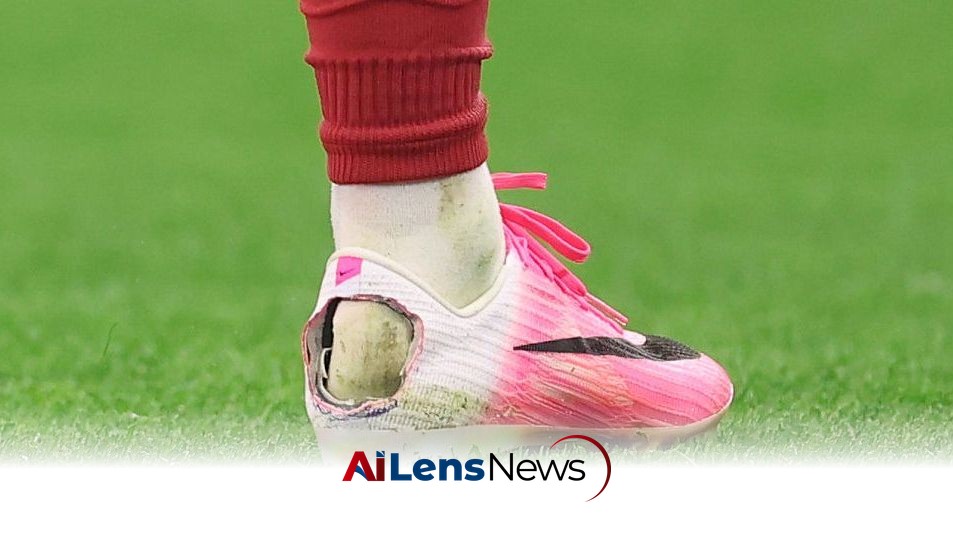


The practice of modifying soccer cleats to relieve heel discomfort has gained attention, particularly after Pedro Neto's unique adjustment during the World Cup.
New Delhi, India Jul 9, 2026 ALN: During this year’s World Cup, one very peculiar image caught the attention of fans and commentators: Portuguese forward Pedro Neto played a match with the back of his cleats cut off, right above the heel. It wasn’t an accident. The modification was intended to relieve pressure on a particularly sensitive area of his foot. The sight of a professional athlete altering their equipment in such a manner sparked discussions not only about player comfort but also about the lengths to which athletes will go to maintain peak performance.
Although the image went viral, it’s not new. For years, some professional soccer players have been modifying their cleats in the same way to reduce friction between the shoe and the heel. In a sport where cleats are fitted to the millimeter and every sprint requires sudden changes in direction, any discomfort in the heel can affect a player’s comfort and, consequently, their performance on the pitch. The necessity for optimal footwear is critical in soccer, where players are constantly on the move, navigating a fast-paced game that demands agility and precision.
The causes of discomfort in the heel area are varied. They range from simple issues, such as chafing and blisters, to more complex problems like soreness caused by training and exertion, including tendon inflammation. Additionally, chronic conditions such as bone deformities can lead to a player having a “larger heel” than others, which can create significant discomfort. These factors contribute to a player's overall performance and can lead to more serious injuries if not addressed properly. Understanding these issues is essential for both players and coaches, as they can significantly impact training regimens and game-day performance.
Among the most frequently cited explanations for heel discomfort during this year’s World Cup is Haglund’s syndrome. According to the American Academy of Orthopaedic Surgeons, this condition is characterized by a bony growth or prominence on the back of the heel bone that can rub against the Achilles tendon, causing pain and inflammation. Although technically a “deformity,” the symptoms associated with it—such as insertional tendinopathy and discomfort when wearing closed-toe shoes—make it a condition or syndrome that can significantly impact an athlete's ability to perform. The physical demands of soccer can exacerbate such conditions, making it imperative for players to find solutions that allow them to compete effectively.
Treatment for Haglund’s syndrome depends on the severity of the symptoms or pain. The first strategy is to modify footwear. It is generally recommended to wear cushioned shoes and avoid tight-fitting ones, such as those used for sports, as well as to use protective heel pads. Since soccer cleats are required by regulation, they cannot be replaced, but they can be modified. This modification is akin to a “loophole” similar to the one regarding the cut of soccer socks, where players often adjust their gear to enhance comfort and performance. The ability to customize footwear can serve as a vital tool for athletes managing chronic pain or discomfort, allowing them to maintain their competitive edge.
The syndrome gained particular attention following Portugal’s match against Spain. Player Pedro Neto wore two pairs of cleats with the heel section cut off. There is no public information explaining why the forward decided to modify his cleats for that match. Nor is there a statement from Neto or his team confirming a diagnosis of Haglund’s syndrome. The lack of information surrounding his choice raises questions about the pressures athletes face regarding injury management and the stigma that may surround discussing physical discomfort. The culture of silence around injuries can lead to athletes feeling isolated in their struggles, potentially exacerbating their conditions.
In professional soccer, there is no one-size-fits-all soccer shoe. Although the models used in the World Cup are the same as those available on the market, players customize them to fit the shape of their feet or to alleviate specific discomforts. The soccer shoe that made headlines for its cut-off heel is a Nike Mercurial Vapor 16 Elite, a popular choice among professional players for its lightweight design and performance-oriented features. Customization is a common practice, as players often have unique foot shapes and preferences that standard shoes cannot accommodate. This level of personalization underscores the importance of understanding individual biomechanics and comfort needs in sports.
The phenomenon of modifying soccer cleats is not isolated to just one player or one instance. Many athletes have been known to make adjustments to their footwear to enhance comfort and performance. For instance, some players may choose to wear two pairs of socks to reduce friction or use gel inserts to provide additional cushioning. Others might prefer to have their cleats fitted with custom orthotics to address specific biomechanical issues. These practices highlight the proactive measures athletes take to ensure they can perform at their best, despite the challenges posed by their footwear.
Furthermore, the conversation around footwear modification highlights a broader issue in sports: the balance between performance and health. Athletes are often under immense pressure to perform at their best, which can lead to them downplaying injuries or discomfort. The culture of toughness in professional sports can make it difficult for players to speak openly about their physical challenges, leading to potential long-term consequences if these issues are not addressed adequately. The normalization of playing through pain can create a cycle where injuries are exacerbated, leading to longer recovery times and, in some cases, career-threatening conditions.
Additionally, the visibility of such modifications during high-profile events like the World Cup can influence younger players and amateur athletes. Observing professional players making adjustments to their gear may lead them to feel empowered to customize their own equipment to better suit their needs. This could foster a culture of proactive injury management and encourage players at all levels to prioritize their comfort and health. The impact of these high-profile decisions can trickle down to grassroots levels, where young athletes may adopt similar practices to enhance their performance and well-being.
In conclusion, the act of cutting the heels off soccer cleats, as demonstrated by Pedro Neto during the World Cup, serves as a reminder of the complex relationship between comfort, performance, and injury management in professional sports. It underscores the importance of addressing individual needs in athletic footwear and highlights the ongoing challenges athletes face in balancing the demands of their sport with their physical well-being. As the conversation around player health continues to evolve, it is likely that more attention will be given to the customization of equipment and the necessity of prioritizing comfort in the pursuit of excellence on the field. Ultimately, the choices athletes make regarding their gear reflect a deeper understanding of their bodies and the demands of their sport, paving the way for more informed discussions about health, performance, and athlete welfare in the future.
To learn more about the latest developments in Product Innovations, stay updated with our exclusive reports and analyses on AiLensNews.

