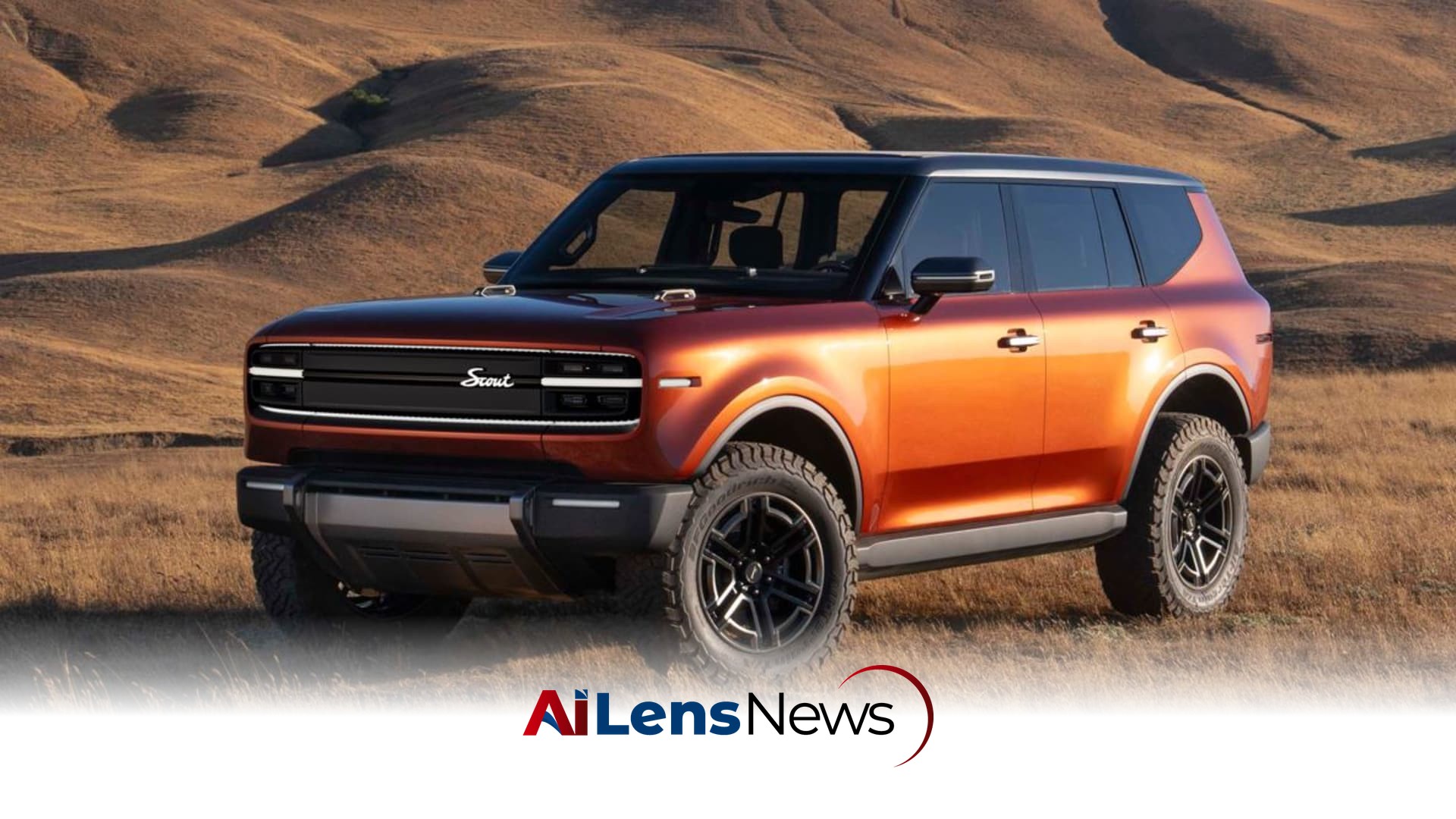


Scout Motors, reviving a classic American brand, launches its first electric vehicles and plug-in hybrids as part of Volkswagen's U.S. expansion strategy.
Washington DC, United States Oct 25, 2024 ALN: Scout Motors, a revival of the iconic American brand originally active from 1961 to 1980, is making headlines with the launch of its first electric vehicles (EVs) and plug-in hybrids. This move marks a significant step for Volkswagen as it seeks to expand its footprint in the competitive U.S. automotive market. The reintroduction of Scout not only signifies a renewed interest in classic American automotive heritage but also aligns with the growing global trend towards electrification and sustainability.
The Scout nameplate is steeped in history, known for its rugged vehicles that catered to outdoor enthusiasts. The original International Scout was designed as a versatile off-road vehicle, competing with the likes of the Jeep and Ford Bronco. The International Harvester Company, which produced the original Scout, gained a reputation for building durable and capable vehicles that appealed to farmers, outdoor adventurers, and families alike. Volkswagen's decision to bring back Scout reflects a strategic pivot towards electrification while tapping into nostalgia. The brand aims to attract a new generation of consumers who value sustainability without sacrificing performance. This revival is particularly significant as it seeks to leverage the emotional connection many Americans have with the Scout name, which represents adventure, freedom, and the great outdoors.
The initial offerings from Scout Motors include a range of electric SUVs designed to meet the needs of modern drivers. These vehicles are equipped with cutting-edge technology and features that enhance both safety and driving experience. Key highlights include:
Volkswagen's strategy to introduce Scout Motors aligns with its broader goal of increasing its market share in the U.S. The American automotive market is rapidly evolving, with a growing demand for electric and hybrid vehicles. According to industry reports, electric vehicle sales in the U.S. have seen significant growth, driven by increasing consumer awareness of environmental issues and government incentives for EV purchases. By reviving Scout, Volkswagen aims to position itself as a leader in this segment.
This strategic move is not only about introducing new vehicles but also about establishing a brand identity that resonates with American consumers. The Scout brand is being marketed as rugged and adventurous, appealing to those who enjoy outdoor activities and require vehicles that can handle various terrains. This positioning could help Scout carve out a niche in the crowded SUV market, which is currently dominated by established players. The SUV segment has seen unprecedented growth in recent years, with consumers favoring larger vehicles that offer versatility and capability for both urban and rural settings.
The reintroduction of Scout comes at a time when the automotive industry is undergoing a seismic shift. Major automakers are racing to electrify their lineups, driven by regulatory pressures, changing consumer preferences, and the urgent need to address climate change. Companies like Tesla, Ford, and General Motors have made significant investments in electric vehicle technology, and new entrants are emerging, further intensifying competition. In this context, Scout's unique heritage and focus on adventure-oriented electric SUVs could differentiate it from other offerings in the market.
Additionally, the competitive landscape is not just about the vehicles themselves but also the infrastructure that supports them. The expansion of charging networks across the U.S. is critical for the success of electric vehicles. As more consumers consider EVs, the availability of fast charging stations and home charging solutions will play a pivotal role in their purchasing decisions. Volkswagen's commitment to building a robust charging infrastructure, alongside the launch of Scout, may enhance consumer confidence in transitioning to electric mobility.
As Scout Motors rolls out its first models, the automotive industry will be watching closely. The success of these vehicles could pave the way for further innovations and expansions within the Volkswagen group. The company has committed to investing heavily in electric vehicle technology, with plans to launch multiple new models in the coming years. This investment is part of a larger initiative to transition the entire Volkswagen lineup towards electrification. As part of this strategy, Volkswagen has set ambitious targets for reducing carbon emissions and increasing the percentage of electric vehicles in its overall sales.
Moreover, the implications of Scout's entry into the EV market extend beyond just product offerings. It signifies a cultural shift within the automotive industry, where legacy brands are reimagining their identities to meet modern consumer expectations. As environmental concerns become increasingly paramount, brands that successfully integrate sustainability with performance and heritage are likely to thrive. This trend is evident not only in the automotive sector but across various industries, as consumers increasingly prioritize ethical and sustainable practices.
In conclusion, Scout Motors' entry into the electric vehicle space not only revives a beloved brand but also signifies Volkswagen's commitment to a greener future. As the automotive landscape continues to shift, Scout's blend of heritage and modern technology may just be the recipe for success. The revival of the Scout brand could inspire other manufacturers to explore their own histories and potentially reintroduce classic models in a modernized, eco-friendly format, further enriching the automotive market with diverse options for consumers. The journey ahead for Scout Motors will be closely monitored, as its performance could set a precedent for how legacy brands can successfully navigate the challenges and opportunities of the electric vehicle revolution.
To learn more about the latest developments in Product Innovations, stay updated with our exclusive reports and analyses on AiLensNews.

