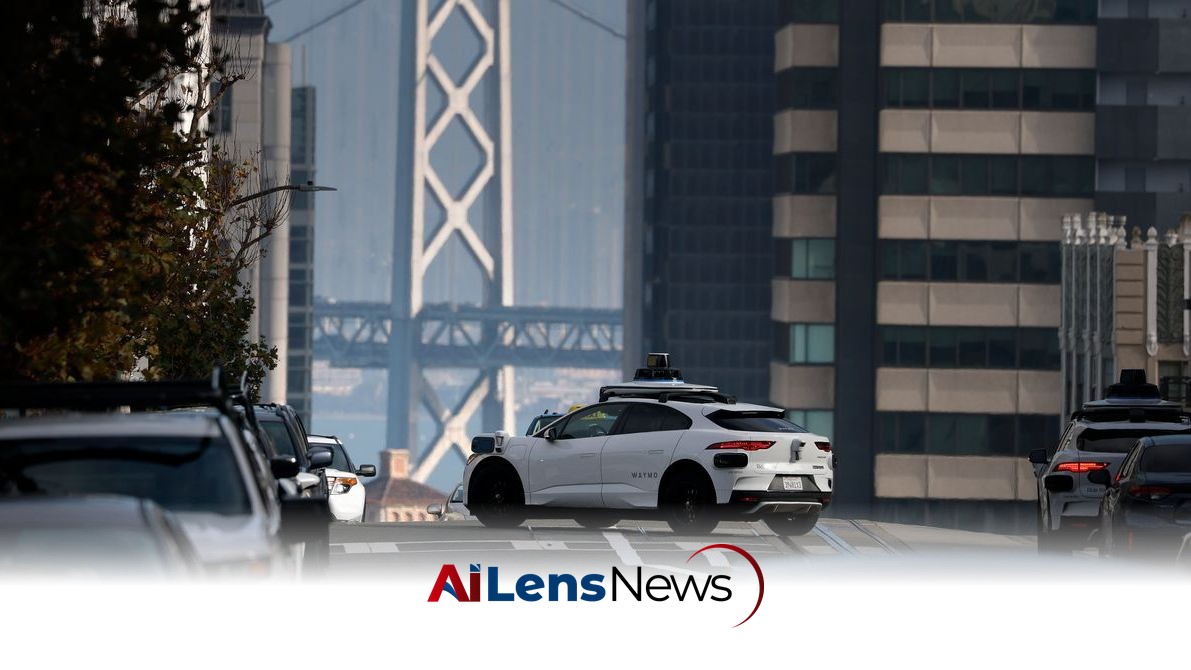


NHTSA administrator Jonathan Morris criticized autonomous vehicles for obstructing emergency responders, calling the situation 'unacceptable' and urging immediate action from developers.
New Delhi, India Jul 9, 2026 ALN: The head of the top US road safety agency cautioned autonomous vehicle developers in a letter Wednesday about what he called an “unacceptable” pattern of driverless cars interfering with the work of law enforcement and other first responders.
“To state it bluntly: An AV that cannot safely interact with first responders is a danger to the general public,” Jonathan Morrison, the administrator of the National Highway Traffic Safety Administration (NHTSA), wrote in a letter that he described as a “call to action” for technology developers. This statement underscores the growing concern regarding the integration of autonomous vehicles (AVs) into the existing traffic ecosystem, particularly in emergency situations where rapid response is critical.
Morrison wrote that NHTSA has documented a “clear pattern” of interference over the last few months, including incidents in which the vehicles drove into active emergency scenes, blocked ambulances and firefighters, and didn’t respond in situations involving flashing lights, fire, and traffic cones. This behavior raises significant safety concerns, as first responders rely on clear access to emergency scenes to provide timely assistance to those in need.
He directed developers to "immediately focus their resources on fixing this issue,” and said that the NHTSA would schedule meetings with each company by the end of July to hear about solutions. The urgency of this directive reflects the agency's commitment to ensuring that the deployment of autonomous technology does not compromise public safety. Neither Waymo nor Zoox responded to requests for comment, highlighting a potential communication gap between AV developers and regulatory bodies.
Officials with several city law enforcement and emergency departments told NHTSA representatives in a closed-door meeting earlier this year that Waymo robotaxis were impeding some emergency responses, reported in April. One fire chief called the vehicles’ behavior in those situations a “safety issue for our crews as well as the victims.” This sentiment is echoed by many first responders who have expressed frustration over the challenges posed by AVs in emergency scenarios. The inability of these vehicles to effectively navigate around emergency situations can lead to delays in critical care.
A San Francisco official told the agency that the company’s tech was “backsliding,” and the city’s fire chief said, “Waymo is frequently now blocking our fire stations from access.” This specific incident raises questions about the operational protocols of AVs and their ability to adapt to dynamic urban environments where emergencies can arise unexpectedly. A representative from Austin’s police department also said that Waymos tend to freeze in difficult situations, and the vehicles often fail to respond to officers’ hand signals in emergencies. This issue of responsiveness is particularly troubling, as first responders often rely on visual cues to direct traffic and manage scenes effectively.
“I believe the technology was deployed too quickly in too vast amounts, with hundreds of vehicles, when it wasn’t really ready,” the Austin police official said, according to audio of the meeting obtained by the media. This perspective raises critical questions about the testing and deployment phases of autonomous vehicle technology. Rapid deployment without thorough testing can lead to unforeseen complications, particularly in complex urban settings where human drivers are used to navigating unpredictable conditions.
Austin first responders appeared in a separate City Council meeting this spring to discuss how a Waymo robotaxi blocked an ambulance for two minutes as it tried to respond to a downtown mass shooting that killed three people and injured at least 14. Such incidents highlight the potential for catastrophic consequences when AVs fail to yield to emergency vehicles. The implications of these interactions can extend beyond immediate safety concerns to broader public trust in autonomous technology.
In this week’s letter, Morrison said his agency would “continue to exercise our enforcement authority for developers that do not address significant safety concerns.” This statement signals a proactive stance by the NHTSA in monitoring and regulating the development of AV technology. The agency has issued several recalls related to autonomous vehicle technology in the last several years, including two related to Waymo’s behavior on flooded roads and near construction zones, and another related to Zoox robotaxis stopping in front of oncoming traffic. The companies reported that both issues were solved through software updates, showcasing the importance of ongoing software improvements in the performance of autonomous vehicles.
A school district in Austin also worked with Waymo to train its vehicles to stop for school buses, though the fix didn’t immediately work. This incident points to the challenges of programming AVs to recognize and respond appropriately to a variety of traffic scenarios, particularly those involving vulnerable populations such as schoolchildren. The complexities of human behavior and traffic patterns necessitate continuous learning and adaptation from these systems.
In a press release Wednesday, the NHTSA also touted the Trump administration's work to ease regulations preventing more autonomous vehicles from operating on public roads. Last month, in a boon for purpose-built robotaxi developers, including Tesla and Zoox, the agency made it easier for companies to deploy vehicles that don’t meet motor vehicle safety standards because they don’t have steering wheels, driver-operated brakes, or rearview mirrors. This regulatory shift indicates a significant move towards the acceptance of fully autonomous vehicles in public spaces, but it also raises concerns about the adequacy of safety measures in place for such vehicles.
The implications of these developments are multifaceted. On one hand, the push for innovation and the integration of AV technology into everyday life could lead to safer roads and reduced traffic accidents in the long term. On the other hand, the current challenges faced by first responders highlight the urgent need for technology developers to prioritize safety and responsiveness in their designs. The interaction between AVs and emergency services will be crucial in determining the future viability of autonomous technology in urban environments.
As the dialogue between regulators, technology developers, and first responders continues, it will be essential to establish clear guidelines and protocols for the safe operation of autonomous vehicles, particularly in emergency situations. The ongoing evolution of this technology will require collaboration and communication among all stakeholders to ensure that the benefits of automation do not come at the expense of public safety.
Ultimately, the response from AV developers to the NHTSA's call to action will play a pivotal role in shaping the future landscape of transportation. As society moves towards greater reliance on autonomous systems, the lessons learned from these early interactions will be crucial in building a framework that prioritizes both innovation and safety.
To learn more about the latest developments in AI & Robotics Innovations, stay updated with our exclusive reports and analyses on AiLensNews.

