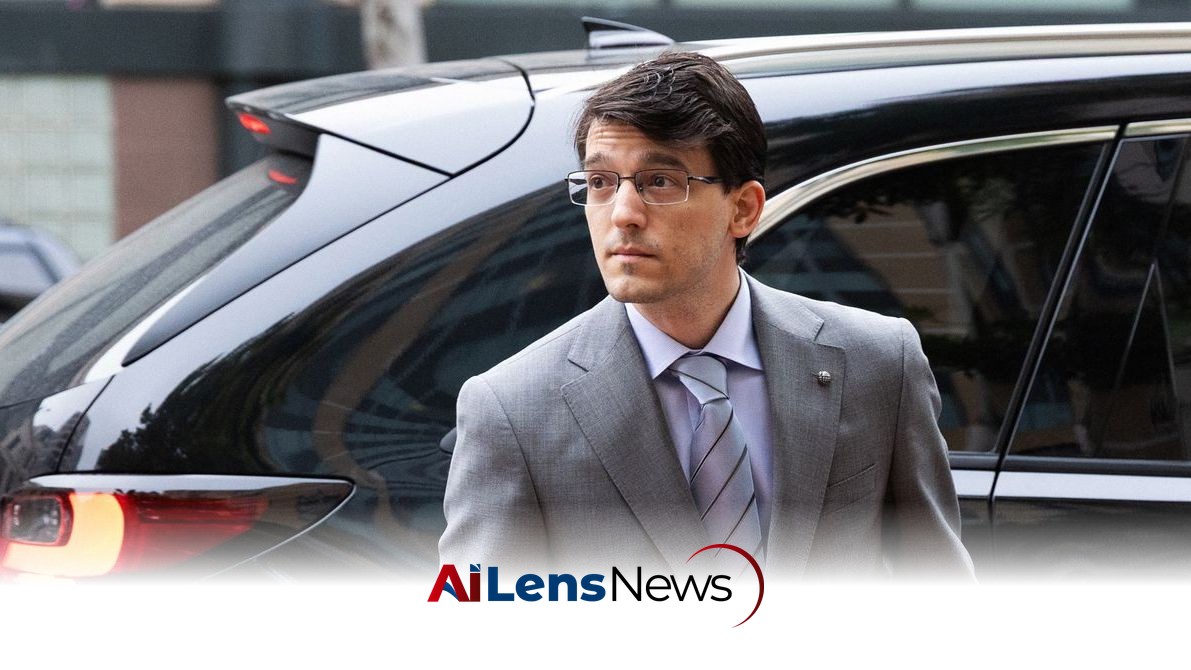


Joshua Achiam, OpenAI's chief futurist, announces his departure after nearly nine years, emphasizing a continued commitment to AI safety and collaboration.
New Delhi, India Jul 8, 2026 ALN: OpenAI’s chief futurist, Joshua Achiam, notified colleagues on Tuesday that he is leaving the company later this month after nearly nine years. Achiam, who previously led a team tasked with upholding the organization’s nonprofit mission, stated that his departure was not motivated by any specific reason but was something he had been contemplating for a while. This announcement comes at a pivotal time for OpenAI, which has been undergoing rapid transformation and expansion since the launch of its flagship product, ChatGPT, in 2022.
“The world is in on the secret now and it feels possible to work on the mission from outside the walls of a frontier lab,” Achiam said in a note to staff. “I believe we can get to a world of peace, unprecedented prosperity, and unimaginable possibilities, social and scientific. Whatever I do next, I will continue to work with you on making this vision real.” This statement reflects Achiam's long-standing commitment to the mission of OpenAI, which is to ensure that artificial general intelligence (AGI) benefits all of humanity.
OpenAI has not yet announced if anyone will fill Achiam’s role, which sat at the intersection of the company’s AI safety and policy teams. This role involved studying the potential harms and benefits caused by the rise of artificial intelligence. Achiam worked closely with senior company leaders, including global affairs chief Chris Lehane, to advocate for government regulations aligned with OpenAI’s mission. The importance of this role cannot be overstated, as the implications of AI technology on society are profound and complex, necessitating careful consideration and proactive policy-making.
Since the launch of ChatGPT, OpenAI has reorganized its safety, product, and research teams numerous times. The company has rapidly evolved from a small research lab into a massive tech entity, reflecting the explosive growth of interest and investment in artificial intelligence. In 2024, OpenAI announced the formation of a “mission alignment team” led by Achiam, which was tasked with upholding the company’s mission. However, this group was disbanded in February, and Achiam transitioned to the role of chief futurist. The disbandment of this team highlights the fluid and often tumultuous nature of organizational structures within tech companies, especially those at the forefront of emerging technologies.
In the past year, OpenAI has focused on bridging the gap between its AI research and policy teams, aiming to develop rules and standards that anticipate the direction of its technology. This focus is critical as the rapid development of AI technologies presents both opportunities and challenges that need to be addressed through thoughtful governance. As these departments began collaborating more closely, several OpenAI researchers, including Boaz Barak, Noam Brown, and Adrien Ecoffet, have become more involved in policy work, indicating a shift towards a more integrated approach to AI development and regulation.
Former White House AI adviser Dean Ball started at OpenAI this week as the company's head of strategic futures, briefly overlapping with Achiam. Ball is expected to work with researchers and policy leaders in his new role, further emphasizing the importance of strategic foresight in navigating the complexities of AI development. The hiring of someone with a background in government advisory roles suggests that OpenAI is keen on strengthening its ties with policymakers and ensuring that its innovations align with societal needs and ethical considerations.
Achiam is the latest safety-focused leader to depart OpenAI, joining a growing list of exits as the company prepares to go public. The departure of key personnel raises questions about the continuity of OpenAI's mission and the company’s ability to maintain its focus on safety and ethical considerations in AI development. Jan Leike, who co-led OpenAI’s Superalignment team, left to join Anthropic in 2024, indicating a trend where talent is being drawn to other organizations that share similar missions or philosophies regarding AI safety.
That same year, head of policy research Miles Brundage and Steven Adler, who led research on the dangerous capabilities of AI models, both departed OpenAI to found nonprofits advocating for strong safety and security standards in AI labs. This exodus of talent may signal a broader movement within the tech industry, where professionals increasingly seek to influence AI policy and safety from outside the corporate structure. Andrea Vallone, who led OpenAI’s research on how ChatGPT should respond to users experiencing mental or emotional distress, left to join Leike’s team at Anthropic at the end of 2025, further illustrating the shifting landscape of AI safety leadership.
Achiam joined OpenAI as an intern in 2017 and eventually became a research scientist focused on AI safety. His journey within the organization reflects the broader narrative of individuals who have grown alongside the rapid advancements in AI technology. He was known internally as a staunch defender of OpenAI’s safety-focused mission, though he was also controversial for his occasional criticisms of the broader AI safety community. This duality in Achiam's persona—being both an advocate and a critic—highlights the complexities of navigating the AI safety discourse, where differing opinions and approaches can lead to fruitful discussions but also tension.
Earlier this year, he testified in federal court about an incident where he interrupted Elon Musk’s parting speech when Musk left OpenAI in 2018. Achiam remarked that Musk’s plan to develop AGI at Tesla could compromise safety. Musk allegedly responded by calling Achiam a “jackass.” This moment was later commemorated by Dario Amodei and David Luan, who gifted Achiam a statue of a golden donkey’s rear end, inscribed with the words, “Never stop being a jackass for safety.” This anecdote not only captures the sometimes contentious atmosphere surrounding discussions of AI safety but also illustrates the personal relationships and dynamics within OpenAI that have evolved over the years.
The departure of Achiam raises significant questions about the future direction of OpenAI, especially as the company prepares for its next phase of growth and potential public offering. The role of AI in society is evolving rapidly, and the need for effective governance and ethical frameworks is more critical than ever. As OpenAI navigates this landscape, the contributions of leaders like Achiam will be felt, and his departure may open the door for new perspectives and approaches within the organization.
In conclusion, as OpenAI continues to evolve, the impact of leadership transitions like that of Joshua Achiam will shape the company's trajectory and influence its commitment to ensuring that the benefits of artificial intelligence are distributed equitably across society. The ongoing dialogue around AI safety, policy, and ethical considerations will remain a vital aspect of the conversation as the technology continues to advance at an unprecedented pace.
To learn more about the latest developments in AI & Robotics Innovations, stay updated with our exclusive reports and analyses on AiLensNews.

