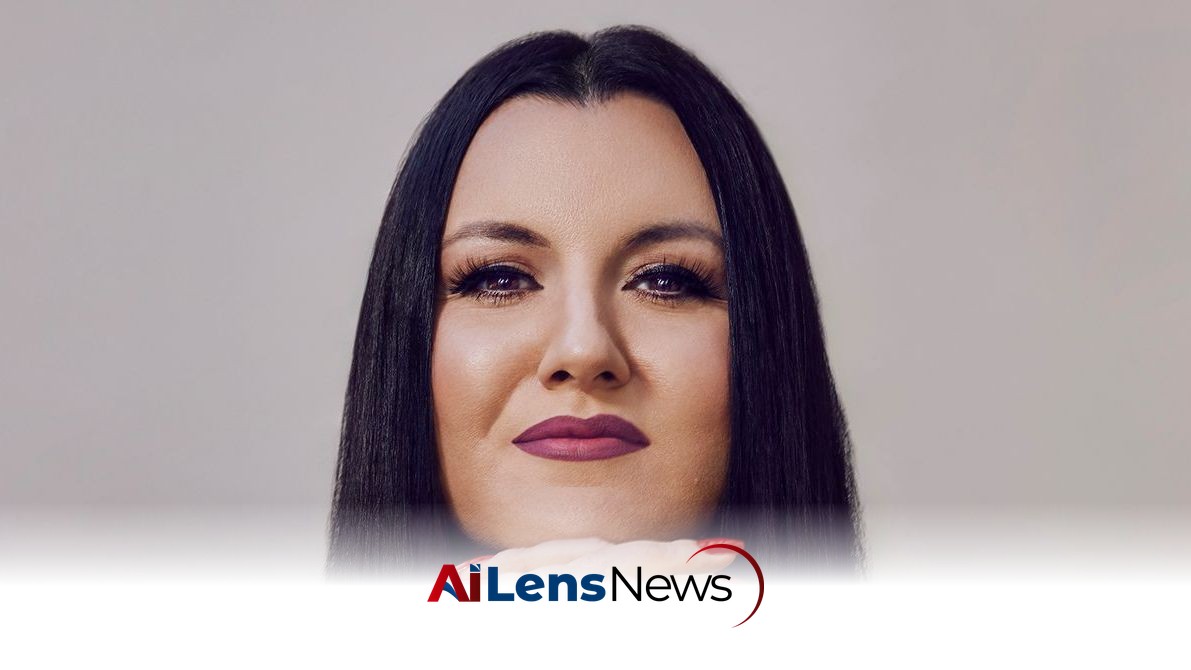


Fidji Simo transitions to a part-time adviser role after a prolonged medical leave due to a chronic illness, marking a significant shift in OpenAI's leadership.
New Delhi, India Jul 10, 2026 ALN: OpenAI’s chief executive of AGI deployment, Fidji Simo, is leaving her full-time role at the company and transitioning to become a part-time adviser. This significant move comes after Simo took a monthslong medical leave due to a worsening neuroimmune condition, which has raised discussions about the challenges faced by executives in high-pressure tech environments.
In a post shared on X, Simo elaborated on her health struggles, stating, “Three months ago, I had to go on medical leave after a severe exacerbation of a chronic illness I’ve lived with for seven years.” This candid admission highlights the often-overlooked aspect of mental and physical health in high-stakes corporate roles, particularly in the fast-paced tech industry. Simo further noted, “During that time, it became clear that the road to recovery would be much longer and more complex than I had anticipated—and that I needed to focus on it fully.” Her decision to step back underscores the importance of prioritizing personal health over professional obligations, a sentiment that resonates with many in similar positions.
Simo joined OpenAI’s board of directors in March 2024, marking her entry into the organization at a time when it was rapidly evolving and expanding its influence in the artificial intelligence sector. The following year, she was appointed by CEO Sam Altman to oversee the product and business organizations. This strategic move allowed Altman to concentrate on research and the ambitious data center buildout that was critical for OpenAI's future operations and capabilities. Simo’s previous experience as the CEO of Instacart and as head of the Facebook app at Meta positioned her as a strong candidate for this role, bringing a wealth of knowledge in product management and business strategy.
However, shortly before starting her role at OpenAI, Simo experienced a significant health relapse. She had been diagnosed with postural tachycardia syndrome (POTS) in 2019, a condition that affects blood flow and can lead to symptoms such as dizziness, fainting, and fatigue. In a memo to OpenAI staff back in April, she expressed the challenges of balancing her health with her professional responsibilities, stating, “For my entire time here, I’ve postponed medical tests and new therapies to stay completely focused on the job and not miss a single day of work.” This reflection sheds light on the often unsustainable demands placed on leaders in the tech industry and raises questions about the support systems in place for executives dealing with chronic health issues.
The announcement of Simo’s medical leave coincided with a broader executive shakeup at OpenAI. This period of transition saw Brad Lightcap, the former COO, move into a role overseeing special projects, while Greg Brockman, OpenAI’s president and cofounder, assumed responsibility for the company’s product strategy. Such changes indicate a strategic realignment within the organization, with leadership focusing on optimizing product development and market positioning as competition in the AI space intensifies.
In the months following Simo’s departure from day-to-day operations, OpenAI further reorganized its product teams. Thibault Sottiaux was positioned as the head of the company’s core products, including ChatGPT, which has become a flagship offering for OpenAI. This restructuring reflects the company’s ongoing efforts to streamline its operations and enhance its product offerings in a rapidly evolving market.
OpenAI is currently concentrating on a few core products ahead of a planned initial public offering (IPO), now anticipated to take place in 2027. The company is reportedly targeting a valuation of $1 trillion, a goal that underscores the high stakes involved in the AI sector. As part of this strategic focus, OpenAI has merged teams working on ChatGPT, the company’s AI-powered browser, and its AI coding agent to create a “superapp.” This move aims to consolidate resources and expertise, positioning the company to better compete against rivals in the AI landscape.
Additionally, OpenAI has made the decision to shut down far-flung projects like Sora, which indicates a willingness to pivot and concentrate on areas with the highest potential for growth and impact. This strategic narrowing of focus is essential for maintaining competitive advantage in a field characterized by rapid technological advancements and shifting consumer expectations.
Earlier on the same day that Simo announced her transition, OpenAI unveiled the most significant product update to ChatGPT since its initial release. This update introduced an AI agent within ChatGPT capable of taking action on behalf of users, such as moving local files and writing code. The redesign of the desktop app aims to enhance user experience and functionality. With these updates, OpenAI hopes to provide ChatGPT users with features that were previously limited to Codex, such as the ability to create bespoke software projects with AI assistance. These advancements reflect OpenAI’s commitment to innovation and user-centric design, reinforcing its position as a leader in the AI space.
As the company navigates this transitional phase, the implications of Simo’s departure and the broader executive changes will likely be closely monitored by industry analysts and stakeholders. The success of OpenAI’s strategic initiatives, particularly in the lead-up to its IPO, will hinge on its ability to adapt to the evolving demands of the market while maintaining a focus on product excellence and user engagement. Furthermore, Simo’s health challenges serve as a reminder of the human aspect of leadership in technology, prompting a broader conversation about the need for sustainable work practices in high-pressure environments.
The tech industry has long been characterized by its fast-paced nature and the immense pressure placed on its leaders. The competitive landscape necessitates constant innovation and the ability to pivot quickly, which can take a toll on executives’ health and well-being. Simo’s experience is indicative of a larger trend where high-level executives are increasingly vocal about their health struggles, advocating for a culture that prioritizes mental and physical well-being alongside professional success.
Moreover, Simo’s decision to step down from a full-time role in favor of a part-time advisory position may serve as a model for other companies in the tech sector. By acknowledging the need for balance and self-care, organizations might foster a healthier work environment that could ultimately lead to greater productivity and employee satisfaction. This shift in perspective could encourage other leaders to prioritize their health, potentially leading to a more sustainable approach to leadership in the tech industry.
As OpenAI continues to evolve, its leadership will need to navigate the complexities of maintaining a competitive edge while also addressing the well-being of its team. The implications of Simo’s departure, coupled with the ongoing changes within the organization, will likely influence how OpenAI approaches its future endeavors. This includes not only its product development strategies but also its corporate culture and employee support systems.
In conclusion, Fidji Simo’s transition from a full-time executive role to a part-time adviser at OpenAI brings to light critical discussions around health, leadership, and the demands of the tech industry. As the company prepares for its IPO and continues to innovate in the AI space, the lessons learned from Simo’s experience may resonate throughout the industry, potentially inspiring a more compassionate and sustainable approach to corporate leadership.
To learn more about the latest developments in Startup Innovations, stay updated with our exclusive reports and analyses on AiLensNews.

