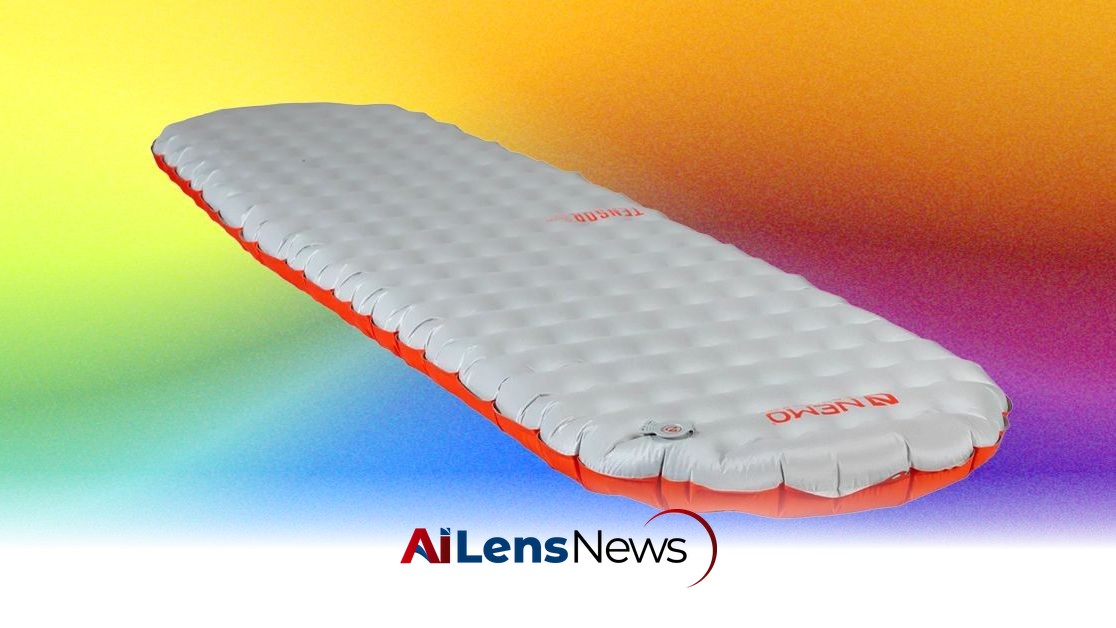


Explore the best sleeping pads for backpacking, featuring top picks from Nemo, Therm-a-Rest, and Exped, designed for ultimate comfort on the trail.
New Delhi, India Jul 26, 2026 ALN: When it comes to backpacking, a good night’s sleep can make all the difference. In 2026, the market is flooded with innovative sleeping pads that promise to enhance your outdoor experience. Our top picks from brands like Nemo, Therm-a-Rest, and Exped utilize advanced materials to ensure you rest comfortably, no matter where your adventures take you.
Backpacking, a beloved activity among outdoor enthusiasts, often requires balancing comfort with practicality. As more people seek to escape urban life and immerse themselves in nature, the importance of adequate sleep becomes increasingly recognized. A quality sleeping pad is a key component in achieving restful sleep in the wilderness. Unlike traditional camping, where a thick sleeping bag on the ground might suffice, modern backpacking demands equipment that is lightweight, compact, and highly functional.
Gone are the days when campers had to make do with thin foam pads or sleeping bags laid directly on the ground. Today’s sleeping pads are engineered for comfort and insulation, providing a barrier between you and the cold, hard ground. This is crucial for maintaining body heat and ensuring a restful night. The right sleeping pad can not only improve your comfort but also enhance your overall outdoor experience by enabling better rest and recovery after a day of hiking.
The evolution of sleeping pads has been significant over the past few decades. Early models were often bulky and heavy, which made them less desirable for backpackers who needed to keep their gear light. However, advancements in materials and design have led to the creation of pads that are both lightweight and highly effective at providing insulation and comfort. Modern sleeping pads are often constructed with air chambers or foam technology that allows them to compress down to a fraction of their size when packed, making them ideal for backpacking.
In addition to comfort and insulation, sleeping pads also play a crucial role in protecting against moisture. Ground moisture can seep through even the most durable sleeping bags, leading to a chilly and uncomfortable night. Quality sleeping pads are often designed with water-resistant materials that help keep you dry, adding another layer of comfort during your outdoor adventures.
When selecting a sleeping pad, consider the following factors:
In addition to these factors, consider the dimensions of the pad. Some backpackers prefer wider pads for added comfort, while others may prioritize length to ensure their entire body is supported. Furthermore, the weight of the pad can make a significant difference in your overall pack weight, so it’s important to strike a balance between comfort and portability.
Another consideration is the ease of setup and takedown. Many modern sleeping pads come with features that make them easier to use, such as integrated pumps or self-inflating capabilities. These features can save time and effort, allowing you to focus on enjoying your outdoor experience rather than struggling with your gear.
To get the best performance from your sleeping pad, follow these tips:
Utilizing a sleeping pad sleeve or a ground sheet can also extend the life of your pad by providing an additional layer of protection from sharp objects or rough terrain. This can be particularly useful in rocky areas or when camping on uneven ground. Additionally, keeping your pad clean and storing it properly can help maintain its longevity.
Investing in a quality sleeping pad can significantly enhance your backpacking experience. With options like the Nemo Tensor and Therm-a-Rest XLite, you can ensure a comfortable night’s sleep, allowing you to wake up refreshed and ready for your next adventure. As the outdoor industry continues to innovate, backpackers can look forward to even more options that combine comfort, weight, and durability in the years to come.
Ultimately, the right sleeping pad is an essential piece of gear that can make or break your outdoor experience. As you prepare for your next backpacking trip, take the time to evaluate your needs and choose a sleeping pad that aligns with your preferences and the conditions you expect to encounter. With the right preparation and equipment, you can fully enjoy the beauty of nature while ensuring a restful night’s sleep.
As outdoor activities continue to grow in popularity, the demand for high-quality gear will likely increase. This trend may lead to further advancements in sleeping pad technology, focusing on sustainability, weight reduction, and enhanced comfort. Backpackers can expect to see more eco-friendly materials being used, as manufacturers respond to consumer preferences for environmentally responsible products. In the future, we may also witness the introduction of smart technology in sleeping pads, such as built-in temperature regulation or sleep tracking capabilities, which could revolutionize the way we experience sleep in the great outdoors.
To learn more about the latest developments in Product Innovations, stay updated with our exclusive reports and analyses on AiLensNews.

