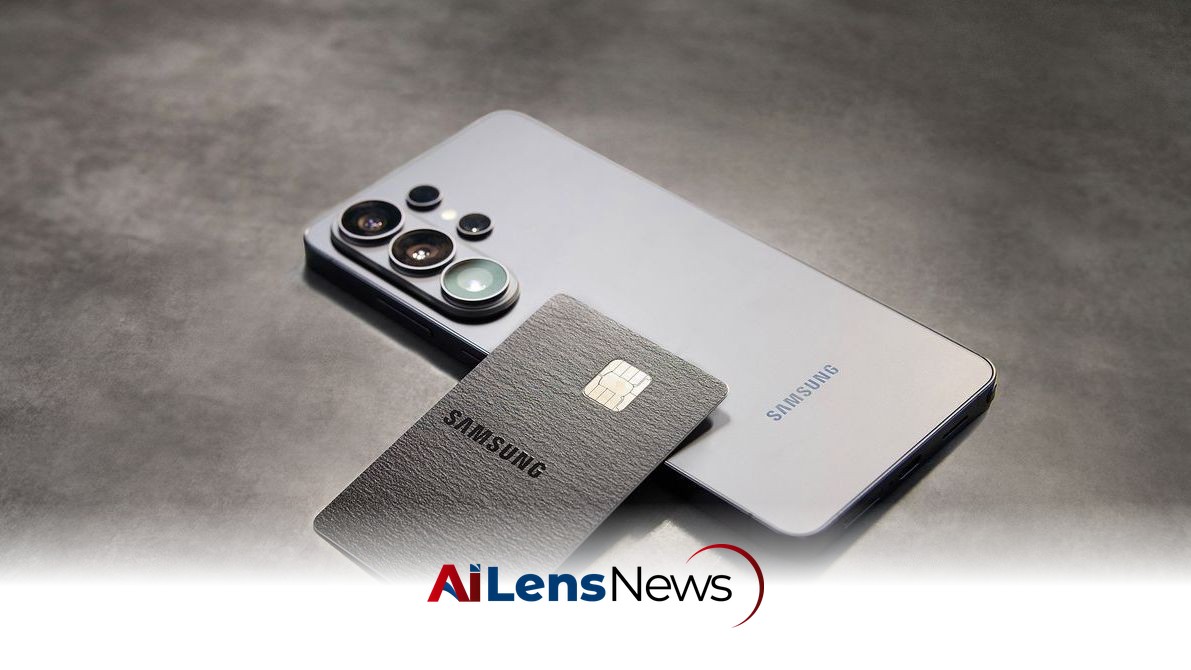


Samsung introduces the Galaxy Card, a cash-back credit card designed for its loyal customers, offering various rewards and features.
New Delhi, India Jul 21, 2026 ALN: Nearly seven years after Apple debuted the Apple Card, Samsung is following in the footsteps of the iPhone maker with the launch of the Galaxy Card, aiming for its own slice of the burgeoning credit card market. This announcement comes just two days before Samsung's highly anticipated second Galaxy Unpacked event of the year, where it is expected to showcase a range of new smartwatches and innovative folding smartphones, further cementing its position in the tech industry.
The Galaxy Card is issued by Barclays, leveraging the Visa network for transactions, while the Apple Card, originally issued by Goldman Sachs and now transitioning to Chase, operates on the MasterCard network. The introduction of a physical card is a notable aspect of the Galaxy Card, which, unlike the Apple Card made of titanium, is crafted from recycled steel, emphasizing Samsung's commitment to sustainability. The virtual card will be integrated into a user's Samsung Wallet account, allowing for seamless digital transactions.
One of the most appealing features of the Galaxy Card is its no annual fee structure. Samsung has designed the card to offer competitive cash rewards that cater to various consumer behaviors. Cardmembers can earn 5 percent cash rewards on all in-store or online purchases made directly from Samsung in the United States. Additionally, users can earn 3 percent cash rewards on purchases made with the Galaxy Card through Samsung Wallet, 2 percent on streaming service subscriptions, and 1 percent on all other purchases made with the physical card. This tiered rewards system is aimed at incentivizing purchases within the Samsung ecosystem while still providing value for general spending. The cash rewards can be redeemed as a statement credit or transferred to a checking or savings account, offering flexibility for cardholders.
The annual percentage rate (APR) for the Galaxy Card varies by cardmember, which is a common practice in the credit card industry, allowing for personalized interest rates based on creditworthiness. Notably, the card comes with no foreign transaction fees, making it an attractive option for international travelers. Additional perks include a 20 percent discount on Samsung's VIP Advantage membership, which provides extended device protection, specialized support, and exclusive deals. Furthermore, new cardholders can receive $200 in cash rewards after spending $2,000 within the first 90 days of account opening, providing an immediate incentive for users to engage with the card.
However, potential users may wonder about the limitations of the Galaxy Card, especially in relation to device compatibility. The Samsung Wallet app, which is central to managing the Galaxy Card, is exclusively available on Samsung smartphones and watches. This raises questions about what happens if a consumer decides to switch to a different smartphone brand. Samsung has clarified that while the physical Galaxy Card can be used by anyone, irrespective of their device brand, users will lose access to key perks if they do not have a Samsung device. The card can still be managed through a BarclaysUS.com online portal, ensuring that users maintain some level of control over their accounts. This situation parallels the experience of Apple Card users who switch from iPhone to Android; while the physical card remains functional, they lose access to the Apple Wallet app and associated rewards.
The Galaxy Card's rewards structure, while not groundbreaking, is strategically designed to appeal to Samsung's most loyal consumers and those who are adept at maximizing their credit card rewards. Brian Riley, director of Credit Advisory Services at Javelin Strategy & Research, emphasizes that entering the credit card space is crucial for Samsung as it seeks to enhance its brand presence and foster customer loyalty. In an industry where credit cards are often seen as commodities, differentiating features are essential for attracting and retaining customers. Samsung's focus on rewards tailored to its ecosystem of products and services could give it an edge in enticing consumers to choose its card over competitors.
The launch of the Galaxy Card also has broader implications for the credit card market and the ongoing competition between tech giants. As companies like Apple and Samsung venture into financial services, they are not only competing for market share but also redefining consumer expectations around credit products. The integration of technology into traditional banking services is becoming increasingly prevalent, with digital wallets and mobile payment solutions gaining traction. This trend reflects a shift in consumer behavior, as more individuals seek convenient and efficient ways to manage their finances.
Moreover, the introduction of the Galaxy Card may prompt other tech companies to explore similar offerings, further intensifying competition in the financial services sector. As more players enter the market, consumers could benefit from enhanced rewards programs, lower fees, and innovative features designed to meet their evolving needs. However, this competitive landscape also raises questions about data security and privacy, as companies collect and analyze consumer spending habits to tailor their services.
In conclusion, Samsung's launch of the Galaxy Card marks a significant step in the company's efforts to diversify its offerings and strengthen its brand presence in the financial services arena. By targeting its most loyal consumers and offering competitive rewards, Samsung aims to carve out a niche in the credit card market. As the industry continues to evolve, the implications of this move extend beyond Samsung, potentially reshaping consumer expectations and the competitive dynamics among tech companies in the financial sector.
The credit card market is a multi-trillion dollar industry, with numerous players ranging from traditional banks to fintech startups. The entrance of tech giants like Samsung into this space signifies a broader trend where technology companies leverage their existing user bases and technological infrastructure to create financial products that appeal to modern consumers. This transition is not merely about offering a credit card; it is about creating an ecosystem where financial services are seamlessly integrated into everyday life.
Samsung's strategy appears to be twofold: first, to enhance customer loyalty among its existing users by offering rewards that encourage the use of its products and services, and second, to attract new customers who may be looking for a credit card that provides more than just transactional capabilities. The Galaxy Card's rewards system is particularly noteworthy in this context, as it incentivizes purchases that align with Samsung's product offerings, thereby increasing the likelihood of repeat purchases from cardholders.
Additionally, the emphasis on sustainability, with the Galaxy Card being made from recycled steel, aligns with a growing consumer preference for environmentally friendly products. As consumers become more conscious of their environmental impact, companies that prioritize sustainability in their product offerings may find themselves at a competitive advantage. Samsung's decision to incorporate recycled materials into the Galaxy Card not only reflects its corporate responsibility but also taps into a market segment that values eco-friendly practices.
Looking ahead, it will be interesting to observe how the Galaxy Card performs in the market compared to established players. The competitive landscape is characterized by constant innovation, with companies frequently updating their offerings to attract consumers. Samsung will need to continuously evaluate and refine its rewards program, user experience, and customer service to maintain a competitive edge.
Furthermore, as the financial technology landscape evolves, regulatory scrutiny is likely to increase. Companies like Samsung that enter the credit card market will need to navigate complex regulations governing financial services, consumer protection, and data privacy. This may pose challenges but also opportunities for innovation in compliance and customer engagement.
In summary, Samsung's Galaxy Card launch is not just a new product; it represents a strategic move to solidify its position in the financial services market, enhance customer loyalty, and respond to the evolving needs of consumers. As the company continues to innovate and expand its offerings, the implications of its entry into the credit card space could have lasting effects on consumer expectations and the competitive dynamics among tech companies in the financial sector.
To learn more about the latest developments in Energy & Clean Tech, stay updated with our exclusive reports and analyses on AiLensNews.

