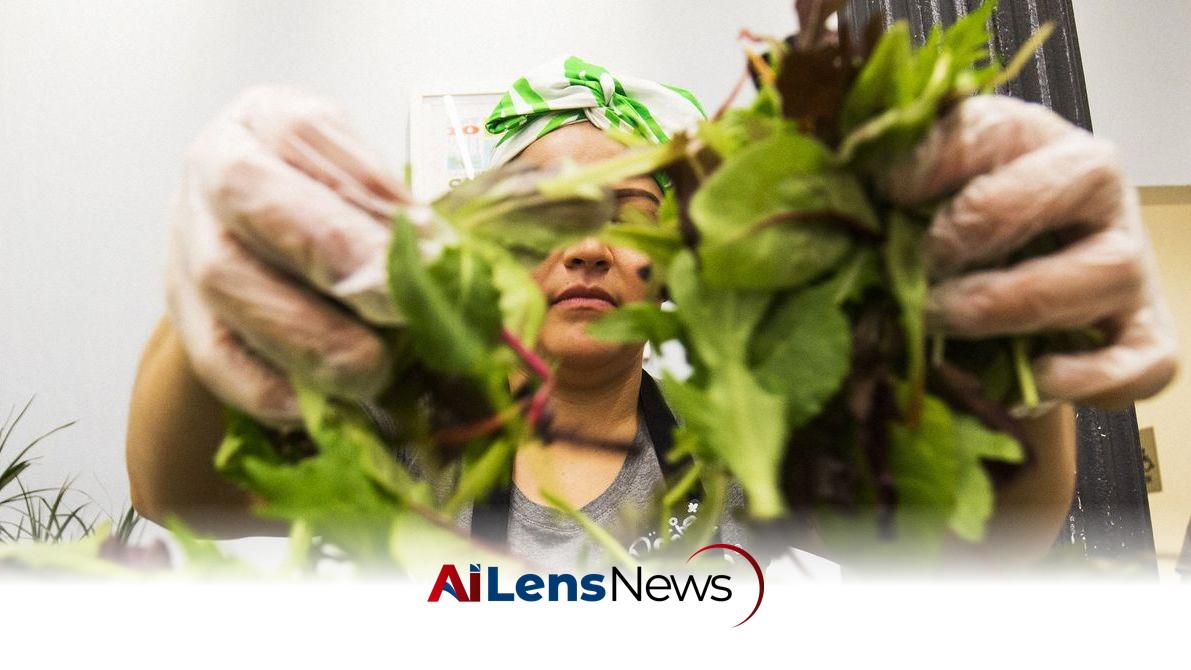


Foot traffic to salad chains is dropping due to concerns over a cyclospora outbreak linked to contaminated lettuce, impacting sales and stock prices.
New Delhi, India Jul 17, 2026 ALN: Fear of explosive diarrhea seems to be scaring customers away from the purveyors of salad in business districts and strip malls across the US. This decline in foot traffic comes amid growing concerns over a cyclospora outbreak that has been linked to contaminated lettuce, causing a ripple effect across the food industry.
On Sunday, July 11, as news of a massive cyclospora outbreak—possibly linked to contaminated lettuce—made headlines, traffic at Chopt fell by 7.1 percent, compared to the chain’s average Sunday traffic in 2026, according to Placer.ai data. The same day, foot traffic at Panera Bread was down 7.4 percent, and Sweetgreen was down 3.1 percent, compared to those chains’ Sunday averages. This data indicates a clear trend: as public awareness of the outbreak increased, consumer behavior shifted away from salad-centric establishments.
While Placer.ai tells that it has only “a few days of data to work with,” the company says that the decline of visitors to places with “lettuce-heavy menus” began around July 10. This timing coincides with the public's growing awareness of the outbreak, suggesting that the fear of foodborne illness is a significant factor influencing dining choices.
Industry averages suggest that customers were more likely to ditch salad-heavy chains, with foot traffic across quick-service chains like McDonald’s, Chick-fil-A, and Wendy’s up 0.8 percent compared to their average Sunday traffic. In contrast, traffic for all fast-casual chains—the menus of which tend to include more fresh produce than fast-food rivals—was down 2.4 percent. This disparity highlights how consumer confidence in certain food types can fluctuate dramatically in response to health concerns.
None of these salad chains have been linked to the outbreak, which may have sickened nearly 7,000 people, according to the latest Centers for Disease Control and Prevention estimates. In fact, federal authorities have not yet named any ingredient, grower, or supplier as the potential cause. This lack of clarity can exacerbate consumer fears, as people often seek to avoid any potential risks associated with foodborne illnesses.
However, the Health and Human Services department in Michigan, the state at the center of the outbreak, described lettuce or salad greens as a “potential source.” Past cyclospora outbreaks have been tied to raw produce, including herbs, raspberries, and lettuce. The cyclospora parasite, which can cause gastrointestinal distress, is particularly resilient, and the easiest way to kill it is with heat. Unfortunately, people do not typically cook berries or fresh greens, making it challenging to eliminate the risk of infection through typical consumption methods.
Wall Street also seems spooked by the turbo diarrhea rampage. At the time of publication, Sweetgreen shares were down 23.3 percent over the past five days. (Chopt and Panera Bread are privately traded companies.) The stock market's reaction underscores how serious health concerns can affect investor sentiment and market performance, particularly for companies whose business models rely heavily on fresh produce.
None of the “lettuce-heavy” chains responded to requests for comment, which may indicate a desire to avoid drawing further attention to the situation while they assess the potential impact on their businesses. Public relations strategies in the face of health scares are crucial, as companies must balance transparency with the need to maintain consumer confidence.
While Sweetgreen’s stock is suffering, the only chain with suspected links to the outbreak is Taco Bell. Some locations in the Detroit region posted notices that they were “currently unable to sell lettuce, cilantro onion, pico de gallo, and guacamole due to a nationwide recall,” and The Washington Post reported that health officials are investigating whether the chain played a role in the outbreak. This situation highlights the interconnectedness of the food supply chain and how a single outbreak can affect multiple businesses.
Shares of Taco Bell’s parent company, Yum Brands, are down 7.2 percent in the past five days. Placer.ai found that Taco Bell’s foot traffic was down 5.8 percent on July 11 compared to the chain’s average traffic on Sundays. In Michigan—where the case count has reached 4,312—traffic was down 11.5 percent compared to the Sunday average. Anxiety spreading online about the risks of contracting the parasite could continue to keep would-be gordita buyers away, demonstrating how digital platforms can amplify public fears and influence consumer behavior.
Still, not everyone is afraid of leafy greens. Two customers outside of a Sweetgreen location in Manhattan’s Financial District told reporters that they hadn’t even heard of the cyclospora outbreak. This reflects a potential divide in consumer awareness and concern, as some individuals may prioritize healthy eating over perceived risks, especially in areas with fewer reported cases. New York has far fewer cases than Michigan, with 510 cases so far in 2026. More than 380 are in New York City, though, which represents a threefold increase over last year at this date, according to the local health department.
Outside of a Chopt a few blocks away, Victoria Atweh had nothing but positive things to say about her first time visiting the salad chain. Her experience underscores the possibility that some consumers may remain loyal to their preferred dining options despite external health scares. As for the cyclospora outbreak, Atweh says, “I honestly didn’t even think about it.” This sentiment may be more common among individuals who have not personally experienced the effects of foodborne illness or who feel confident in their food choices.
The implications of this outbreak extend beyond immediate consumer behavior; they also raise questions about food safety regulations, the effectiveness of tracking and tracing foodborne illnesses, and the responsibilities of food producers and retailers in ensuring the safety of their products. As health officials continue to investigate the outbreak, the industry will likely face increased scrutiny, and consumers may demand greater transparency regarding food sourcing and safety practices.
In conclusion, the cyclospora outbreak serves as a reminder of the vulnerabilities within our food systems and the profound impact that health concerns can have on consumer behavior, stock performance, and overall market dynamics. As the situation develops, it will be crucial for both consumers and businesses to navigate the complexities of food safety and public health awareness in an increasingly interconnected world.
To learn more about the latest developments in Research & Breakthroughs, stay updated with our exclusive reports and analyses on AiLensNews.

