Discover the best backpacking water filters of 2026, tested for reliability and convenience, ensuring safe hydration on your adventures.
New Delhi, India Jul 16, 2026 ALN: As outdoor enthusiasts gear up for their adventures, the importance of reliable water filtration cannot be overstated. In 2026, backpacking water filters have evolved, offering various options tailored to different needs. This guide explores the top filters available, tested for performance, ease of use, and portability.
Why You Need a Water Filter
While drinking directly from streams may seem appealing, the reality is that untreated water can harbor harmful microorganisms like giardia, cryptosporidium, and various bacteria. These pathogens can lead to serious illnesses, including gastrointestinal distress and other health complications. A good water filter acts as a barrier, ensuring that you can enjoy fresh water without the risk of illness. The significance of this cannot be understated, especially for those embarking on extended trips in remote areas where access to clean water is limited. Investing in a quality water filter is not just a matter of convenience; it is a crucial aspect of outdoor safety.
The need for water filtration becomes even more pronounced when considering the potential sources of drinking water in the wilderness. Streams, rivers, and lakes can all be contaminated by animal waste, agricultural runoff, or human activity, making them unsafe for consumption without proper treatment. Furthermore, the consequences of consuming contaminated water can be severe, leading to dehydration, illness, and potentially life-threatening conditions. Therefore, having a reliable water filtration system is essential for any backpacker, camper, or hiker.
Featured Filters of 2026
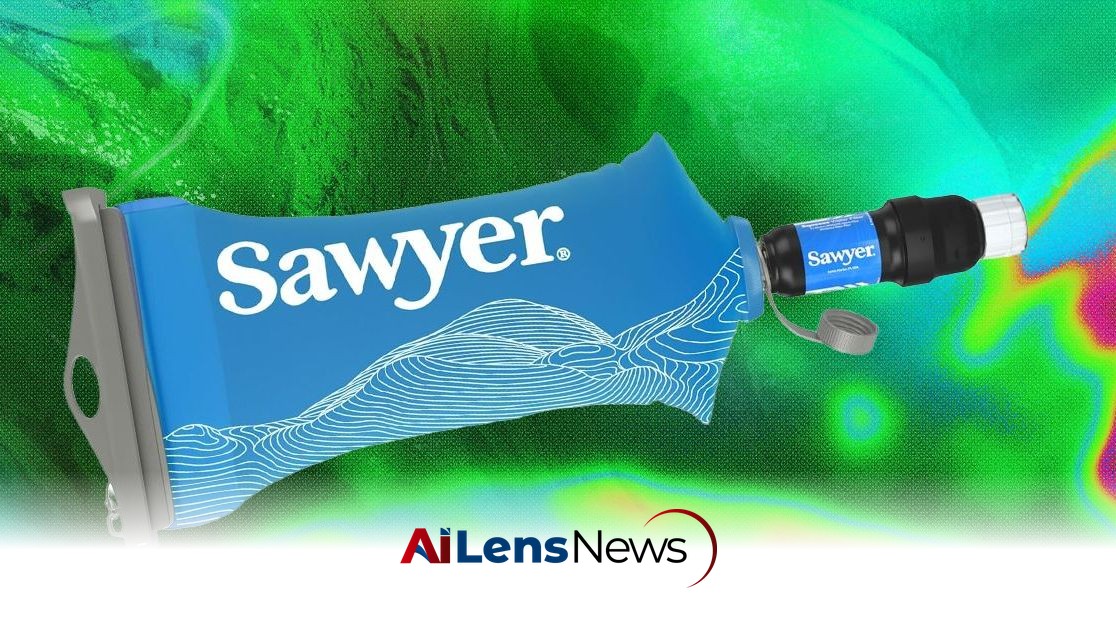
- Best for Ultralight Hikers: The Sawyer Squeeze filter is a favorite among ultralight backpackers. Weighing only 3 ounces, it filters down to 0.1 microns, effectively removing harmful pathogens. Its lightweight design and compact size make it easy to carry without adding significant weight to your pack. Additionally, the Sawyer Squeeze can be used with a variety of water containers, enhancing its versatility. This adaptability allows hikers to utilize various bottles or hydration bladders, making it a practical choice for those who prefer to travel light.
- Best for Simplicity: Katadyn filters are known for their user-friendly design, making them ideal for those who prioritize convenience. With straightforward operations, these filters allow users to quickly obtain safe drinking water without complicated setups. They often feature built-in pre-filters that help extend the life of the main filter, which is an added benefit for casual hikers. The ease of use makes them a popular choice for families and novice backpackers who may be intimidated by more complex filtration systems.
- Best for Large Groups: MSR filters are perfect for group outings, providing ample capacity and efficiency. Designed to handle larger volumes of water, these filters can accommodate the needs of several people, making them ideal for family trips or group hikes. Their robust construction also ensures durability, which is essential for frequent use. This durability is particularly important in rugged environments where equipment can be subjected to harsh conditions.
- Best for Shallow Water: MSR also offers options that excel in shallow water conditions, ensuring versatility. These filters often come with specialized intakes that allow users to draw water from sources that may be too shallow for other filters, thus expanding the range of potential water sources. This feature is particularly beneficial in areas where water levels fluctuate or during dry seasons when traditional sources may be less accessible.
Understanding Water Filters vs. Purifiers
It’s essential to differentiate between water filters and purifiers. Filters physically strain out contaminants, while purifiers use chemicals or UV light to kill organisms. For most backpacking scenarios in the U.S., a filter is sufficient, but if traveling abroad, consider a purifier for added safety. In regions where water quality is uncertain, such as in developing countries or areas known for waterborne illnesses, using a purifier can provide an extra layer of protection against pathogens that may not be effectively removed by filters alone.
Understanding the distinction between these two types of water treatment is crucial for outdoor enthusiasts. While filters can effectively remove larger pathogens and sediments, they may not eliminate viruses, which can be a concern in certain environments. For instance, if hikers are venturing into areas with known sanitation issues, a purifier may be necessary to ensure comprehensive protection against all forms of contamination.
Key Features to Consider
When selecting a water filter, consider the following:
- Portability: Choose a lightweight model that fits easily in your pack. The weight and size of the filter can significantly impact your overall pack weight, especially on long hikes. Ultralight options are particularly favored by those who prioritize minimizing gear weight.
- Flow Rate: Look for filters that provide quick filtration to save time. A higher flow rate means less waiting time for water, which can be a crucial factor during long hikes or when camping with multiple people. Efficient filters can make it easier to fill multiple containers quickly, ensuring that everyone has access to hydration.
- Field Maintenance: Ensure the filter is easy to clean in the field. Filters that can be backwashed or have replaceable cartridges can save you from being stuck without a functioning filter during your trip. This is especially important in situations where access to clean water for maintenance may be limited.
- Ease of Use: Consider how the filter operates—squeeze, pump, or gravity. Each method has its advantages and disadvantages, and the right choice will depend on your personal preferences and the specific conditions of your trip. For example, squeeze filters are often favored for their speed and simplicity, while pump filters may provide greater versatility in challenging water sources.
- Capacity: Assess how much water the filter can process before needing maintenance. Some filters are designed for high-capacity use, which is beneficial for group outings. Understanding the filter’s lifespan and replacement schedule can help in planning long trips.
- Durability: Ensure the filter can withstand the rigors of outdoor use. Look for models made from high-quality materials that can endure rough handling and various environmental conditions. A durable filter can withstand drops, exposure to elements, and the wear and tear of frequent use.
Water Filtering Tips
To maximize your filter's effectiveness, follow these tips:
- Read the Manual: Familiarize yourself with your filter’s operation. Understanding how to properly use and maintain your filter is essential for ensuring its longevity and effectiveness. Many users overlook this step, leading to improper use that can compromise the filter’s performance.
- Label Containers: Keep dirty and clean water containers clearly marked. This simple step can prevent cross-contamination and ensure that you always have access to safe drinking water. Using different colors or labels can help avoid confusion during busy moments.
- Prefiltering: Remove large debris before filtering to prolong filter life. Using a bandana or cloth to pre-filter can help catch larger particles and protect your main filter. This is especially useful in environments with lots of sediment or algae.
- Avoid Freezing: Protect your filter from freezing temperatures to prevent damage. If you expect cold weather, consider storing your filter in an insulated pouch or keeping it in your sleeping bag at night. Freezing can damage the filter’s internal components, rendering it ineffective.
Conclusion
Choosing the right backpacking water filter can significantly enhance your outdoor experience. With options tailored for various needs, from ultralight hiking to group outings, staying hydrated has never been easier. As you prepare for your next adventure, consider these top picks to ensure safe and enjoyable hydration. Additionally, understanding the differences between filters and purifiers, along with the key features to look for, can help you make an informed decision that best fits your backpacking style and the specific conditions you may encounter. Ultimately, investing in a reliable water filtration system not only protects your health but also allows you to fully enjoy the beauty of nature without the worry of unsafe drinking water.