

Explore the top portable power stations of 2026, ideal for camping, off-grid living, and backup power needs. Discover their features and capacities.
New Delhi, India Jul 8, 2026 ALN: The gadgets and appliances that make modern living so comfortable have one thing in common: They all need power. Portable power stations have enjoyed a meteoric rise over the past few years, as people have turned away from gas-guzzling generators. Whether you’re camping for the weekend, living off-grid, or protecting against power outages, these big batteries can help.
As our reliance on technology increases, the need for portable power solutions has become more apparent. Portable power stations are not just a luxury; they have become essential tools for a variety of situations. They are especially popular among outdoor enthusiasts, emergency preparedness advocates, and those who wish to reduce their carbon footprint. The evolution of these devices reflects a broader trend towards sustainability and convenience in our daily lives.
There’s no such thing as the best power station for most people, because it depends on what you need, but I have spent years testing several to find which models work for certain situations. I have tried portable power stations that can provide from 768 watt-hours to 6.4 kilowatt-hours of backup power. This range allows users to select a model that best fits their energy consumption needs, whether they are charging small devices like smartphones or larger appliances such as refrigerators and televisions. I've also added important advice on what to consider when shopping for one. For more modest needs, read our Best Power Banks guide.
Updated July 2026: I added a power station from DJI, added a section on home batteries to the FAQ, and updated prices.
Portable power stations have become essential for outdoor enthusiasts and those seeking reliable backup power. They are compact, versatile, and capable of powering various devices, from smartphones to larger appliances. These devices typically feature a variety of output ports, including AC outlets, USB ports, and DC outputs, allowing users to charge multiple devices simultaneously.
Different models vary significantly in terms of capacity, size, weight, and output options, making it crucial for consumers to assess their specific needs before making a purchase. For instance, someone planning a weekend camping trip may prioritize lightweight portability and the ability to charge small devices, while someone looking for a backup power solution during a home outage may require a higher capacity model that can run larger appliances.
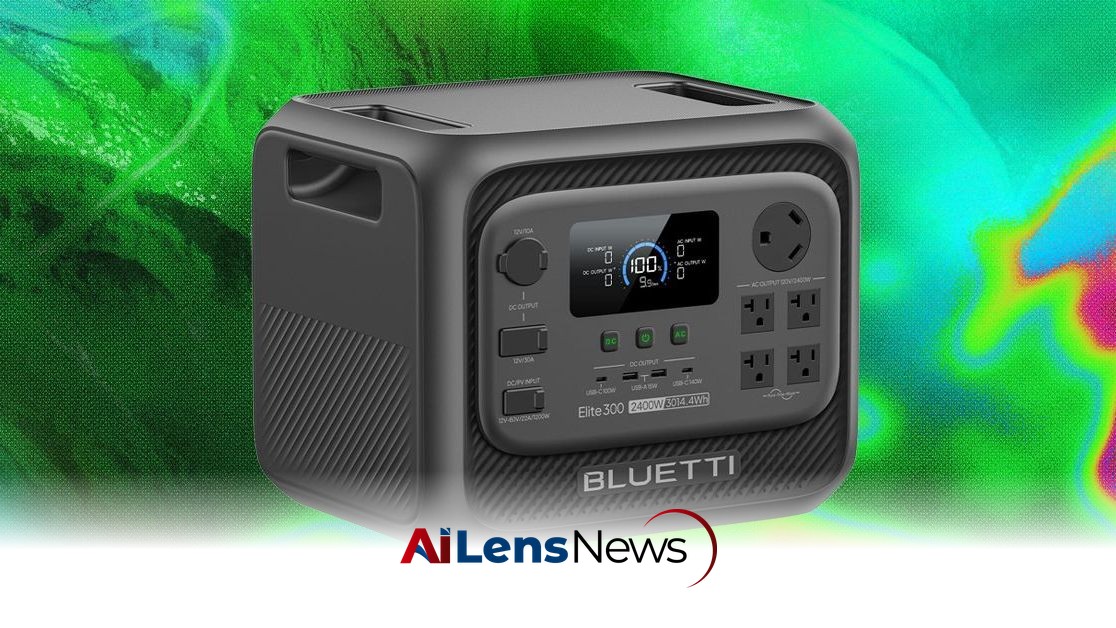
Bluetti’s Elite 300 is so compact that I had to double-check its 3,014-watt-hour capacity, as it’s about the same size as most 2,000-watt-hour power stations. This model is suitable for home backup power or campers. There are ports aplenty, and this power station can charge phones or laptops and happily run a fridge or TV. The versatility of the Bluetti Elite 300 makes it a standout choice for those who need a reliable power source in various situations.
Performance was flawless with smaller gadgets, and it passed my UK kettle test, exceeding the 2,400-watt maximum output. This indicates that it can handle high-power devices, which is essential for users wanting to run multiple appliances simultaneously. Charging speed is good, with AC charging allowing it to hit 80 percent in an hour and a half, making it a practical option for those in a hurry.
Jackery power stations are known for their reliability and ease of use, making them a favorite among campers. They offer a range of capacities to suit different needs, from compact units ideal for light use to larger models that can support more demanding applications. Jackery power stations are particularly praised for their lightweight design, which makes them easy to transport on outdoor adventures.
In addition to their portability, Jackery models often come with built-in solar charging capabilities, allowing users to harness renewable energy while off the grid. This feature appeals to environmentally conscious consumers and those who want to ensure a sustainable power source during extended trips.
GoalZero power stations are designed for overlanding and outdoor adventures, providing robust performance and durability. They are equipped with multiple output options and are built to withstand harsh conditions, making them a reliable choice for those who venture into rugged terrains. The rugged design of GoalZero stations often includes weather-resistant features, ensuring they can handle the elements.
Moreover, GoalZero offers a variety of accessories, including solar panels, that can be paired with their power stations to create a complete off-grid power solution. This flexibility allows users to customize their setup based on their specific needs and preferences.
Anker’s small power stations are perfect for those who need a portable solution for charging devices. They are compact, lightweight, and ideal for short trips or emergency use. Anker has built a reputation for producing high-quality charging products, and their power stations are no exception. They typically feature fast charging technology, ensuring devices can be powered up quickly.
These smaller power stations are particularly useful for urban dwellers who may need a backup power source during outages or for those who frequently travel for work or leisure. Their compact size means they can easily fit in a backpack or carry-on luggage, making them a convenient option for anyone on the go.
In addition to the featured models, I tested several other portable power stations that cater to various needs and budgets. Each has its unique features and specifications, making them suitable for different scenarios. Some models may offer specialized features, such as wireless charging or app connectivity, allowing users to monitor their power usage and control settings remotely.
As the market continues to evolve, manufacturers are increasingly focusing on innovation, with new models frequently being released. This competition drives advancements in battery technology, efficiency, and user-friendliness, resulting in better products for consumers.
While many models perform well, some fall short in terms of reliability and capacity. It’s essential to research and read reviews before making a purchase to ensure you choose a dependable option. Some lesser-known brands may offer lower prices but can compromise on quality, leading to disappointing performance when it matters most.
Additionally, consumers should be wary of exaggerated claims regarding capacity and output. It is advisable to look for independent reviews and user feedback to gauge real-world performance rather than relying solely on manufacturer specifications.
Many consumers have questions about the functionality and maintenance of portable power stations. Understanding these aspects can help you make an informed decision and maximize the use of your power station. Common inquiries often revolve around battery life, charging methods, and the types of devices that can be powered.
Proper care and maintenance can extend the life of your portable power station. Regularly check for firmware updates, keep it clean, and store it in a cool, dry place when not in use. Additionally, it is advisable to periodically charge the unit even if it is not being used, as this helps maintain battery health.
Understanding the warranty and support options available for your power station can also provide peace of mind. Many manufacturers offer extensive warranties that cover defects and performance issues, allowing users to feel secure in their investment.
Home batteries are becoming increasingly popular as a backup power solution. They offer a more permanent solution for energy storage and can be integrated with solar power systems. This integration allows homeowners to store energy generated during the day for use at night or during outages, enhancing energy independence.
Moreover, the rise of home batteries reflects a broader shift towards renewable energy solutions and sustainability. As more households seek to reduce their reliance on fossil fuels, home batteries provide a practical means of storing renewable energy for later use, contributing to a cleaner environment.
My testing process involves real-world scenarios to evaluate performance, charging speed, and capacity. I also consider user feedback and expert reviews to provide a comprehensive overview. Each power station is assessed under various conditions, including different temperatures and loads, to determine how they perform in practical applications.
By employing a rigorous testing methodology, I aim to provide consumers with accurate and reliable information, helping them make informed choices when selecting a portable power station.
Selection was based on popularity, user reviews, and specific features that cater to different needs. I aimed to cover a broad spectrum of options to help consumers find the right power station for their requirements. The goal is to ensure that regardless of the user’s situation—be it camping, emergency preparedness, or off-grid living—they can find a power station that meets their needs.
In conclusion, portable power stations are invaluable for anyone needing reliable power on the go. Whether for camping, emergency backup, or off-grid living, there’s a model out there to suit your needs. As technology continues to advance, we can expect even more innovative features and improved efficiency in future portable power stations, making them an essential tool for modern living.
To learn more about the latest developments in Energy & Clean Tech, stay updated with our exclusive reports and analyses on AiLensNews.

