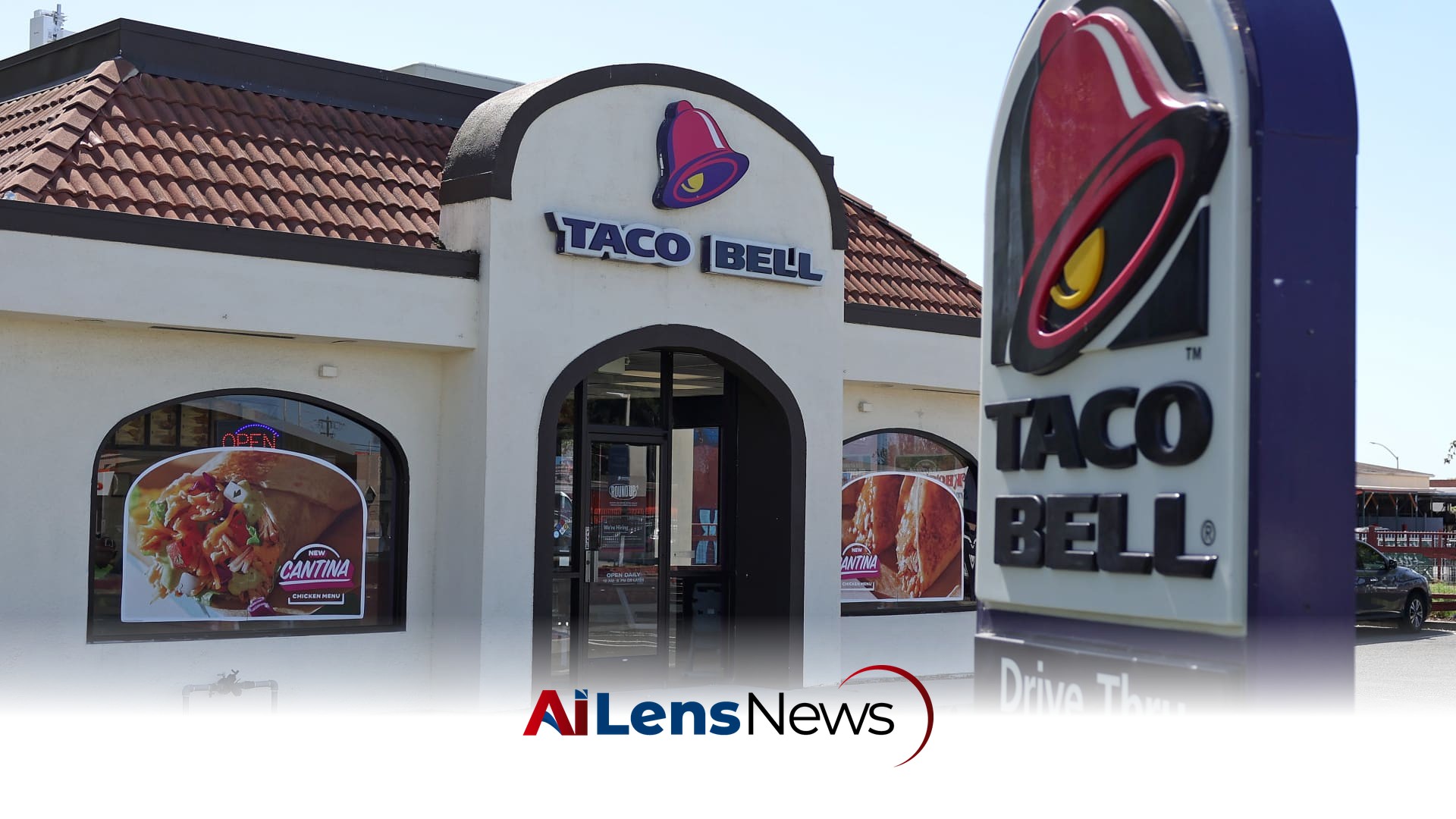


In response to a recent E. coli outbreak linked to McDonald's, Yum Brands and Burger King have decided to pull onions from select locations as a precautionary measure.
Washington DC, United States Oct 24, 2024 ALN: Yum Brands has announced that it is closely monitoring a recent outbreak of E. coli that has been associated with Quarter Pounder burgers served at McDonald's. This outbreak has raised significant health concerns, prompting major fast-food chains to take precautionary measures to protect their customers and uphold food safety standards.
As a result, Yum Brands, which operates Taco Bell and Pizza Hut, along with Burger King, has decided to remove onions from select locations. This decision aims to ensure the safety of customers and mitigate any potential risks associated with the outbreak. The removal of onions is a notable step, considering that onions are a common ingredient in many fast-food offerings, including burgers, tacos, and pizzas.
The E. coli outbreak linked to McDonald's has raised alarms among health officials and consumers alike. E. coli, or Escherichia coli, is a bacteria that can cause severe gastrointestinal illness, and in some cases, it can lead to serious complications such as hemolytic uremic syndrome (HUS), which can result in kidney failure. Symptoms of E. coli infection typically include severe stomach cramps, diarrhea (often bloody), and vomiting. The outbreak has prompted investigations to determine the source of the contamination and to prevent further cases.
Investigators have been working diligently to trace the origin of the contaminated food products. This process often involves analyzing supply chains, inspecting food processing facilities, and conducting interviews with affected individuals to identify commonalities in their meals. Such outbreaks can often lead to widespread recalls and increased scrutiny of food safety practices within the industry.
In the context of foodborne illnesses, E. coli outbreaks can arise from various sources, including undercooked meat, contaminated vegetables, and unpasteurized dairy products. The bacteria can thrive in environments where food safety practices are not strictly adhered to, which is a significant concern for fast-food chains that handle large volumes of food. This particular outbreak, linked to a high-profile brand like McDonald's, has the potential to affect consumer trust across the fast-food sector.
Both companies are committed to maintaining high food safety standards and are taking these actions to protect their customers. They are also working with health authorities to ensure that any potential risks are addressed promptly. In addition to removing onions, these companies may also be reviewing their food sourcing and preparation protocols to enhance safety measures. This could include increased testing of food products, improved training for staff on food handling practices, and more rigorous cleaning and sanitization procedures in their kitchens.
Moreover, the fast-food industry has been under increasing pressure to adopt more stringent food safety measures in recent years. The public's growing awareness of foodborne illnesses has led to heightened expectations for transparency and accountability from food service providers. As a result, companies are investing in better supply chain management and food safety technologies to prevent future outbreaks.
Consumers have expressed mixed feelings regarding the outbreak and the subsequent actions taken by these fast-food chains. While some appreciate the proactive measures, others are concerned about the overall safety of fast food. The removal of onions, while a necessary precaution, may also lead to dissatisfaction among customers who enjoy certain menu items that include this ingredient. Fast-food chains often rely on customer feedback to refine their offerings, and this situation may prompt discussions about ingredient transparency and food safety protocols moving forward.
Health experts recommend that consumers remain vigilant and report any symptoms of foodborne illness to their healthcare providers. It is essential for individuals to stay informed about food safety practices and to make educated choices when dining out. This includes being aware of the symptoms of foodborne illnesses and understanding the importance of proper food handling and cooking practices.
In light of this outbreak, consumers may also reconsider their dining habits, opting for restaurants that prioritize food safety and transparency in their sourcing and preparation methods. This shift could influence the competitive landscape of the fast-food industry, as companies that fail to adapt to changing consumer expectations may find themselves at a disadvantage.
The recent E. coli outbreak linked to McDonald's has broader implications for the fast-food industry as a whole. It highlights the challenges that fast-food chains face in ensuring food safety while maintaining efficiency and customer satisfaction. With the rise of social media and instant communication, news of foodborne illness outbreaks can spread rapidly, potentially damaging a brand's reputation and affecting sales.
Moreover, this incident may prompt regulatory bodies to increase oversight of food safety practices within the fast-food sector. Companies may face stricter regulations, and there may be calls for greater transparency regarding food sourcing and preparation methods. As consumers become more health-conscious, they may demand higher standards for food safety, leading to a shift in how fast-food companies operate.
In response to these pressures, many fast-food chains are likely to invest in enhanced food safety training for their employees, as well as adopting new technologies that can help monitor food safety in real-time. This could include the use of blockchain technology for tracking food products from farm to table, ensuring that any potential contamination can be quickly identified and addressed.
The recent E. coli outbreak linked to McDonald's has prompted significant action from major fast-food brands like Yum Brands and Burger King. By removing onions from select locations, these companies aim to prioritize customer safety while navigating the challenges posed by foodborne illnesses. As the investigation continues and more information becomes available, it will be crucial for fast-food chains to communicate transparently with their customers and to take proactive steps to ensure the safety and quality of their food products.
Ultimately, this situation serves as a reminder of the importance of food safety in the fast-food industry and the need for ongoing vigilance to protect public health. Consumers, in turn, play a vital role in advocating for food safety and making informed choices about where and what they eat. The actions taken by Yum Brands and Burger King reflect a growing understanding that food safety is not just a regulatory requirement but a critical component of maintaining consumer trust in the fast-food sector.
To learn more about the latest developments in Health News, stay updated with our exclusive reports and analyses on AiLensNews.

