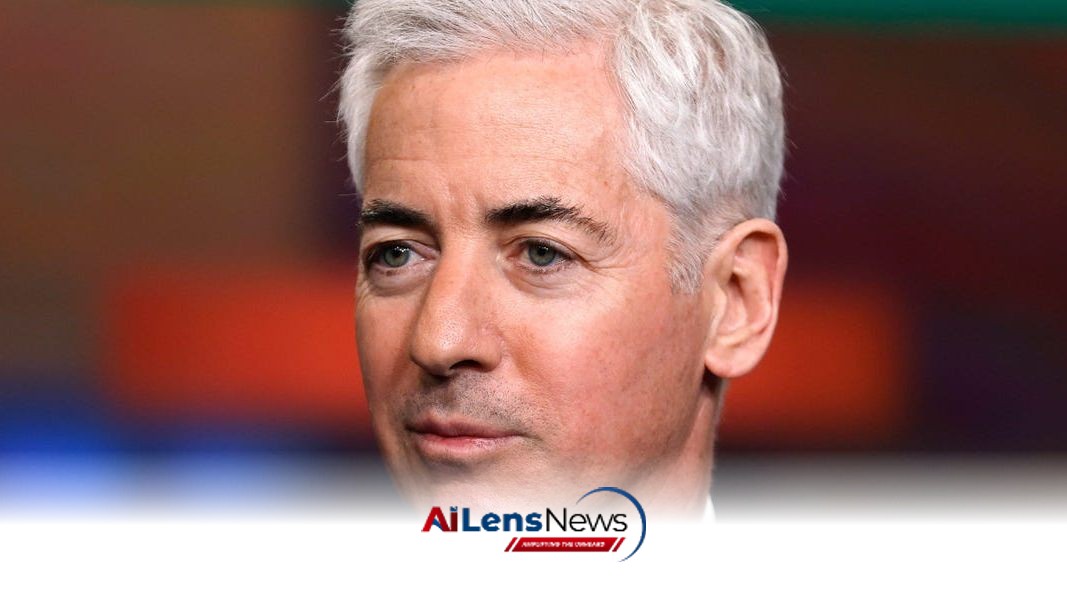



Billionaire investor Bill Ackman suggests Oura Ring could help detect brain hemorrhages after his daughter's experience. CEO Tom Hale responds positively.
Washington DC, United States Aug 22, 2026 ALN: Oura is investigating the potential for its smart ring to detect brain hemorrhages, a move prompted by billionaire investor Bill Ackman's recent experience with his daughter, Lucy. This exploration comes in the wake of a traumatic health event that highlighted the need for timely medical alerts in critical situations.
Bill Ackman, the founder of Pershing Square Capital Management, publicly shared that his daughter suffered a brain hemorrhage in February. The incident raised significant concerns not only about the immediate health implications but also about the potential for wearable technology to play a role in early detection of such medical emergencies. According to Ackman, data retrieved from Lucy's Oura Ring was pivotal in understanding the timeline of her condition. He noted that the ring indicated the hemorrhage occurred around 9 am, which was crucial information that revealed a lengthy delay of over 19 hours before she received emergency surgery.
In a detailed post shared on X, Ackman articulated the emotional toll of the situation, emphasizing the distress caused by the delay in treatment. He expressed a strong desire for technology that could provide real-time alerts to family members in the event of a medical crisis, suggesting that such a feature could potentially save lives. His comments reflect a growing interest in the integration of technology into personal health monitoring, particularly in situations that require rapid response.
Responding to Ackman's concerns, Tom Hale, CEO of Oura, acknowledged the importance of the insights gained from Lucy's Oura Ring data. He expressed regret that the technology was not able to predict or detect the hemorrhage, indicating that the company is now exploring the feasibility of developing alert systems for critical medical events. Hale's remarks underscore the ongoing evolution of wearable technology and its potential applications in healthcare, particularly in enhancing patient monitoring and response capabilities.
The Oura Ring is recognized as one of the leading wearable wellness trackers on the market, primarily designed to monitor various health metrics, including heart rate, sleep stages, body temperature, and daily movement. However, it is crucial to note that Oura has consistently stated that their product is not a medical device and is not intended for diagnosing or preventing medical conditions. This distinction highlights the current limitations of consumer health technology and the regulatory challenges that come with developing features that could be classified as medical diagnostics.
Following her brain hemorrhage, Lucy Ackman spent several weeks in a coma and underwent an extensive recovery process that spanned six months in the hospital. While she has made strides in regaining some cognitive functions and is progressing in her ability to walk and speak, she continues to face challenges, particularly with her vision. This personal journey has profoundly impacted Ackman and his family, leading them to advocate for increased awareness and research in the field of brain health.
In response to their experiences, Bill Ackman and his wife, designer Neri Oxman, are establishing the Ackman Oxman Institute, a nonprofit organization dedicated to advancing research in brain health, recovery, and longevity. Ackman has expressed a strong belief in the capacity for the brain to recover from even the most severe injuries, stating, "We have learned from Lucy that the brain can recover from even catastrophic injury. There is so much more work to be done as the mind is a terrible thing to waste." This initiative aims to contribute to the scientific community's understanding of brain injuries and recovery processes, potentially leading to new treatments and technologies that could benefit others facing similar health challenges.
The implications of this situation extend beyond the Ackman family, as they bring to light the broader conversation about the role of technology in healthcare. The potential development of features in wearable devices that can alert users or their families to critical health events could represent a significant advancement in personal health monitoring. As technology continues to evolve, the integration of real-time data analysis with medical alerts could provide a new layer of support for individuals at risk of serious health issues.
Moreover, the increased focus on brain health and recovery is timely, given the rising prevalence of neurological conditions and the growing interest in mental health and cognitive function. Organizations like the Ackman Oxman Institute could play a vital role in fostering research collaborations, funding studies, and disseminating information that could lead to breakthroughs in understanding brain injuries and enhancing recovery outcomes.
In conclusion, the exploration by Oura to potentially enhance its ring to detect brain hemorrhages reflects a significant intersection of technology and healthcare. As the Ackman family navigates their personal journey, their advocacy for improved awareness and research in brain health may contribute to meaningful advancements that could benefit countless individuals in the future.
To learn more about the latest developments in Health News, stay updated with our exclusive reports and analyses on AILensNews.

