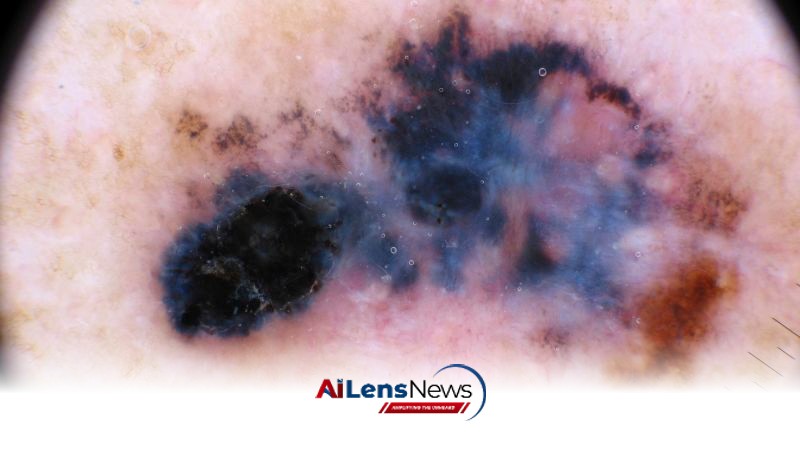



Merck and Moderna's new personalized cancer vaccine shows promise in preventing melanoma recurrence, paving the way for broader cancer treatments.
Washington DC, United States Aug 22, 2026 ALN: Merck and Moderna’s recent success with a personalized cancer vaccine represents a significant advancement in the field of oncology, particularly in the treatment of melanoma, a type of skin cancer known for its aggressive nature and potential for metastasis. This breakthrough opens a new avenue of treatment that doctors hope will extend beyond melanoma to target a variety of tumors, potentially changing the landscape of cancer care.
Personalized cancer vaccines differ fundamentally from traditional cancer therapies such as chemotherapy and immunotherapy. Chemotherapy is known for its broad approach, often indiscriminately killing both healthy and cancerous cells, which can lead to severe side effects and complications. Immunotherapy, on the other hand, aims to enhance the immune system's ability to fight cancer but can sometimes cause an overactive immune response that may damage healthy tissues. In contrast, personalized cancer vaccines are designed to train the immune system to recognize and specifically target the unique mutations present in an individual’s tumor, potentially leading to more effective and less harmful treatments.
On a recent Wednesday, Merck and Moderna announced that their personalized vaccine demonstrated efficacy in preventing the recurrence and spread of melanoma in a large clinical trial involving over 1,000 patients. These patients had localized tumors that were surgically removed but were deemed at high risk for recurrence. The results of this trial are particularly promising, as Moderna anticipates that thousands of melanoma patients could benefit from this treatment within the first few years following regulatory approval.
Dr. Ryan Sullivan, director of the Center for Melanoma at Mass General Brigham Cancer Institute, emphasized the significance of this study, noting that it represents a pivotal moment for the field of oncology. The positive outcomes from this trial are expected to inspire increased investment and research into similar personalized treatment approaches, potentially transforming cancer care as a whole.
Dr. Julie Gralow, chief medical officer of the American Society of Clinical Oncology, referred to the trial results as “a monumental leap forward,” highlighting the validation of mRNA technology as a viable treatment option for cancer. This technology, which gained widespread recognition during the COVID-19 pandemic, is now being adapted for cancer therapies, showcasing its versatility and potential for saving lives beyond infectious diseases.
The implications of this breakthrough extend beyond melanoma. Personalized cancer vaccines are currently in late-stage development for a variety of tumor types. Merck and Moderna are conducting several large-scale trials focusing on non-small cell lung cancer, a common and aggressive form of lung cancer that often requires surgical intervention. These trials aim to assess the vaccine's effectiveness in preventing recurrence after surgery.
In addition to lung cancer, the companies are exploring the potential of their personalized vaccine in mid-stage trials involving patients with bladder and kidney cancers. Early-stage trials are also underway for pancreatic and stomach cancers, with numerous results anticipated in the coming year or two. This rapid expansion of research indicates a growing interest in personalized medicine and its application across multiple cancer types.
Other pharmaceutical companies are also entering the race to develop personalized cancer vaccines. Roche and BioNTech, known for their mRNA technology used in the Pfizer COVID-19 vaccine, are testing a similar treatment called autogene cevumeran in mid-stage studies involving colon and pancreatic cancer patients who have undergone surgery. The results of the colon cancer trial are expected by 2027, while the pancreatic trial results are projected for 2031.
Dr. Robert Vonderheide, director of Penn Medicine’s Abramson Cancer Center and president-elect of the American Association for Cancer Research, expressed optimism about the future of personalized cancer vaccines. He noted that results from multiple studies are anticipated in the next few years, and there is every reason to believe that many of these will yield positive outcomes, further validating the potential of this innovative approach to cancer treatment.
Merck and Moderna’s treatment, known as intismeran autogene, combines the activation of the immune system with an innovative approach involving both immunotherapy and a customized mRNA vaccine. The treatment regimen includes up to nine doses of Merck’s immunotherapy drug, Keytruda, administered every six weeks, alongside up to nine doses of a tailored mRNA vaccine designed to instruct the immune system to specifically target the patient’s cancer cells.
Keytruda, when used alone post-surgery, is typically given every three to six weeks for a duration of up to a year, depending on the patient’s response and the clinical protocol. While Keytruda can lead to side effects such as fatigue, diarrhea, rash, and inflammation of joints and muscles, the companies reported that the addition of the personalized vaccine did not introduce any new side effects, which is a positive indication for its safety profile.
This combination therapy represents a novel approach in oncology, aiming to enhance the effectiveness of existing treatments while minimizing adverse effects. The ability to tailor the vaccine to the specific mutations present in a patient’s tumor allows for a more targeted attack on cancer cells, potentially leading to improved outcomes and a better quality of life for patients.
As research continues and more trial results are released, the medical community remains hopeful that personalized cancer vaccines will become a standard part of cancer treatment protocols, offering new hope to patients facing a diagnosis that was once considered a death sentence. The ongoing evolution of cancer therapies, particularly those leveraging mRNA technology, marks a significant milestone in the fight against cancer, with the potential to save countless lives in the years to come.
To learn more about the latest developments in Health News, stay updated with our exclusive reports and analyses on AILensNews.

