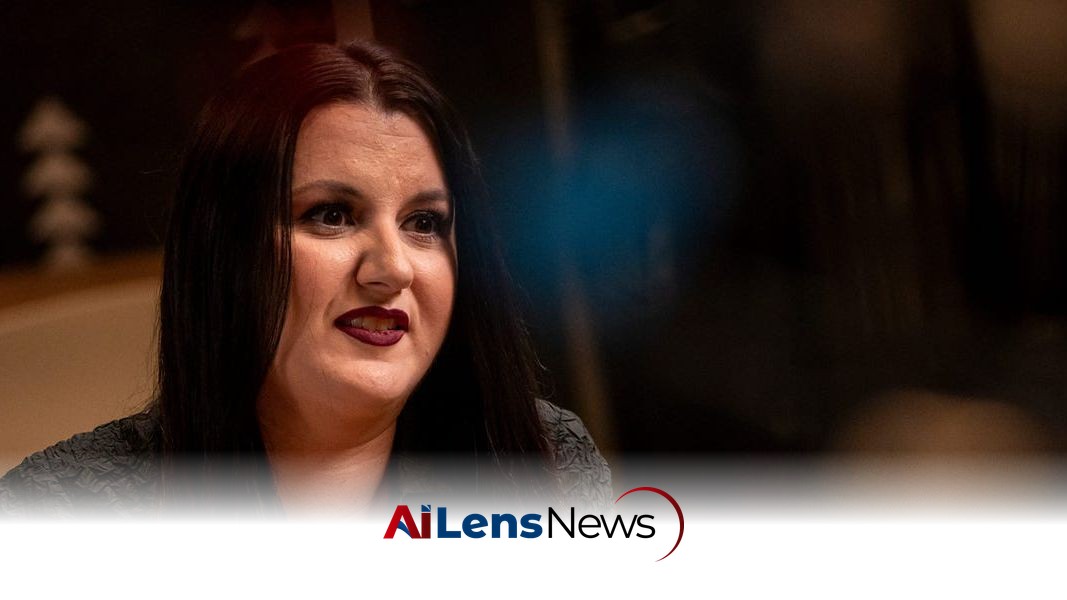


Fidji Simo, cofounder of ChronicleBio, believes AI can eventually cure all diseases, emphasizing the need for better biological data.
Washington DC, United States Aug 18, 2026 ALN: Fidji Simo, a prominent figure in the intersection of technology and healthcare, has garnered attention for her assertion that artificial intelligence (AI) holds the potential to cure all diseases. This bold claim is not merely an expression of optimism; it reflects a deeper understanding of the complexities involved in harnessing AI for medical breakthroughs. Simo, who previously served as an executive at OpenAI and is now the cofounder of the biomedical startup ChronicleBio, emphasizes that the journey toward utilizing AI in healthcare is fraught with challenges that go beyond the sophistication of AI models themselves.
In a recent post on X, Simo reacted to comments made by Dario Amodei, the CEO of Anthropic. Amodei highlighted the need for AI companies to deliver concrete breakthroughs to restore public confidence in AI technologies. Simo concurred with Amodei's perspective, remarking, "I disagree with Dario on most things, but this is spot on: 'At this point, saying that AI will cure cancer is more a cliché than it is inspiring, and most people think it is deceptive. The thing that will work is actually curing cancer.'" This acknowledgment of skepticism surrounding AI's role in medicine underscores a growing concern among the public and experts alike regarding the feasibility of AI-driven solutions in healthcare.
The skepticism voiced by Simo and Amodei is rooted in the AI industry's historical challenges. Over the past few years, numerous companies have made grandiose claims about AI's capabilities, particularly in the medical field, only to fall short of delivering on those promises. This pattern has contributed to a pervasive mistrust among the public, who may now view claims about AI curing diseases with a critical eye. Amodei's remarks were part of a larger conversation about the responsibility of the AI sector to fulfill its commitments and demonstrate tangible benefits that can enhance people's lives.
Simo's insights go beyond mere acknowledgment of skepticism; she delves into the intricacies of what it takes to leverage AI effectively in the medical domain. She points out a crucial disconnect: the assumption that advanced AI models alone can lead to medical breakthroughs. Simo argues that without the necessary biological data infrastructure, AI cannot translate its computational prowess into meaningful medical advancements. "The bigger bottleneck is having the right biological data; AI can't reason its way to cures without the data needed to understand a particular disease," she stated, highlighting the critical role that data plays in the development of AI-driven medical solutions.
Interestingly, Simo expresses optimism about the potential for AI to make significant advances in cancer treatment before other diseases. This optimism is grounded in the extensive investments made over decades that have resulted in rich datasets across various domains, including genomics, pathology, and clinical outcomes. The accumulation of this data provides a fertile ground for AI to analyze patterns and derive insights that could lead to innovative treatment approaches. Simo notes, "Ironically, that's why I'm most bullish on AI making dramatic progress in cancer first: decades of investment have produced extraordinary datasets across genomics, pathology, imaging, clinical outcomes, and more." This perspective aligns with the growing consensus in the medical community that cancer research is at the forefront of integrating AI technologies into clinical practice.
However, Simo does not shy away from addressing the challenges posed by more complex chronic diseases. She emphasizes that the infrastructure required to support AI applications in these areas is often inadequate, creating significant barriers to progress. This recognition of the gaps in data and infrastructure is central to Simo's mission with ChronicleBio, where she aims to build the necessary datasets to enhance our understanding of complex chronic conditions. By focusing on these areas, Simo hopes to pave the way for AI-driven solutions that can address the multifaceted nature of chronic diseases.
Beyond her professional insights, Simo's personal experiences with health challenges lend a unique perspective to her advocacy for AI in medicine. Diagnosed with postural orthostatic tachycardia syndrome (POTS) in 2019, Simo has firsthand experience with a chronic condition that complicates diagnosis and treatment. Her decision to step down from her full-time role at OpenAI to prioritize her health underscores the importance of addressing chronic conditions not only from a technological standpoint but also from a human perspective. Her journey serves as a reminder that behind every medical advancement lies the reality of individuals grappling with health issues.
In her recent post, Simo encapsulated her vision for the future of AI in healthcare, stating, "Model intelligence and biological infrastructure are going to have to scale together. I really do believe AI can cure all diseases but only if we build the infrastructure to translate intelligence into cures at the same pace that models improve." This assertion highlights the need for a collaborative approach that integrates technological advancements with robust biological data systems to realize the full potential of AI in medicine.
As the conversation around AI's role in healthcare continues to evolve, Simo's insights contribute to a critical dialogue about the responsibilities of the AI industry, the importance of data infrastructure, and the need for realistic expectations regarding the capabilities of AI. While the potential for AI to transform healthcare is immense, it is clear that achieving meaningful progress will require a concerted effort to address the underlying challenges and build the necessary frameworks to support innovation. As of now, Simo has not responded to requests for further comment, leaving her audience to ponder the future implications of her advocacy in the realm of AI and healthcare.
To learn more about the latest developments in Medical Innovations, stay updated with our exclusive reports and analyses on AiLensNews.

