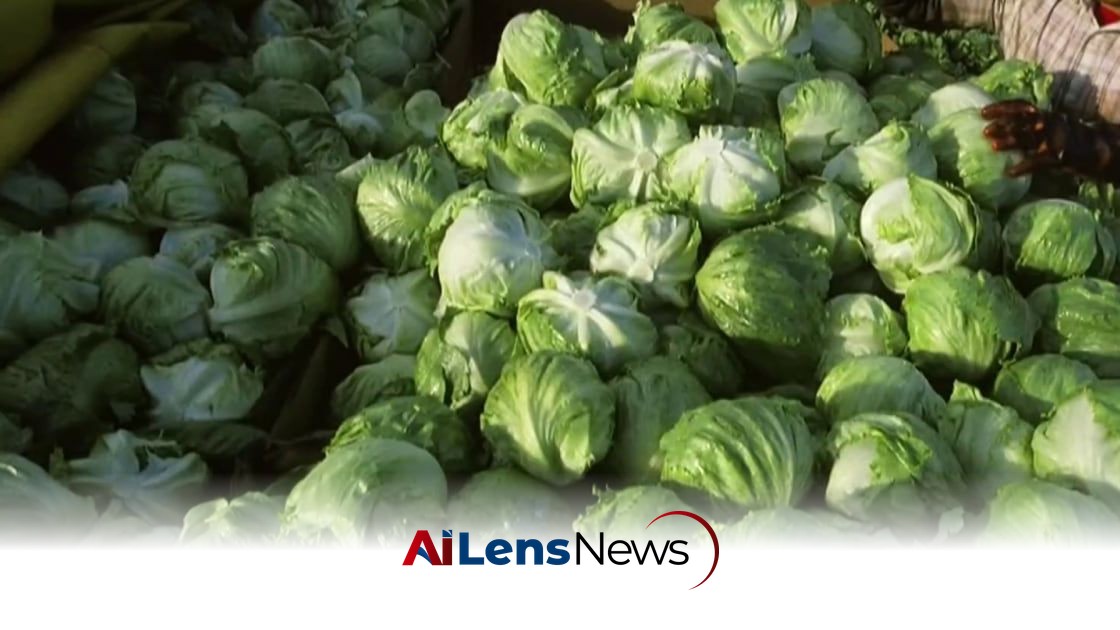


The FDA is probing an iceberg lettuce supplier as the potential source of a widespread cyclosporiasis outbreak affecting thousands across the nation.
Washington DC, United States Jul 17, 2026 ALN: The Food and Drug Administration (FDA) has launched an investigation into an iceberg lettuce supplier believed to be the source of a significant cyclosporiasis outbreak. This outbreak has resulted in severe gastrointestinal symptoms, including what health officials describe as "explosive" diarrhea. The seriousness of this investigation highlights the ongoing challenges faced by health authorities in ensuring the safety of the nation’s food supply.
As of now, nearly 7,000 individuals across the country may have contracted the illness, with 1,645 confirmed cases reported. Additionally, over 5,100 cases are still under investigation, raising concerns about the potential spread of the parasite. The rapid increase in reported cases indicates that this outbreak may be one of the more significant public health concerns in recent times, prompting urgent action from federal and state health agencies.
Cyclosporiasis is caused by the Cyclospora cayetanensis parasite, which is often linked to contaminated food or water. This parasite is particularly notorious for its resilience, as it can survive in the environment for extended periods and is not easily eliminated by standard sanitation methods. Symptoms typically include diarrhea, stomach cramps, nausea, and fatigue. In some cases, the illness can lead to prolonged symptoms and significant discomfort, sometimes lasting several weeks or even months if left untreated.
The transmission of Cyclospora is primarily associated with the consumption of fresh produce, especially leafy greens and berries. The infection is not typically spread from person to person, which means that outbreaks are often linked to specific food sources. This characteristic presents unique challenges for health officials, as pinpointing the exact source of contamination can be complex and time-consuming.
Foodborne illnesses, including cyclosporiasis, are a significant public health issue in the United States and worldwide. According to the Centers for Disease Control and Prevention (CDC), foodborne pathogens cause an estimated 48 million illnesses, 128,000 hospitalizations, and 3,000 deaths each year in the U.S. alone. The impact of these illnesses extends beyond individual health, affecting economic productivity, healthcare costs, and public confidence in the food supply.
In recent years, there have been several high-profile outbreaks linked to various food products, highlighting the persistent vulnerabilities in the food supply chain. These incidents often lead to increased scrutiny of agricultural practices, food processing methods, and regulatory oversight. The FDA and other health agencies continuously work to improve food safety regulations, but challenges remain, particularly with the globalization of food supply chains.
The FDA's investigation focuses on identifying the specific supplier and the distribution channels of the iceberg lettuce. Health officials are working diligently to trace the source of the contamination to prevent further cases. This process involves collaboration with state and local health departments, agricultural producers, and food distributors. The investigation may include reviewing supply chain records, conducting interviews with affected individuals, and testing samples of lettuce and other products linked to the outbreak.
As part of their response, the FDA may also implement measures such as issuing recalls, providing guidance to consumers and retailers, and enhancing surveillance of foodborne illnesses. The agency emphasizes the importance of rapid response to outbreaks to mitigate the spread of infection and protect public health.
In light of this outbreak, health officials are urging consumers to be cautious with iceberg lettuce and to stay informed about any updates regarding the investigation. Washing produce thoroughly and being aware of food sources can help mitigate the risk of infection. Consumers are advised to follow food safety practices, which include washing hands before handling food, rinsing fruits and vegetables under running water, and avoiding cross-contamination in the kitchen.
Public health messaging during outbreaks is critical, as it helps to educate consumers about potential risks and encourages proactive measures to reduce exposure. Health officials often utilize various communication channels, including social media, press releases, and community outreach, to disseminate information effectively.
The ongoing investigation by the FDA underscores the importance of food safety and the need for vigilance in monitoring foodborne illnesses. As more information becomes available, public health officials will continue to provide updates to ensure consumer safety. The situation also raises questions about the adequacy of current food safety regulations and the need for continuous improvement in agricultural practices.
In the aftermath of this outbreak, it is likely that there will be calls for enhanced regulatory measures, more stringent testing protocols, and better traceability in the food supply chain. Stakeholders in the food industry, including farmers, processors, and retailers, may also face increased pressure to adopt best practices in food safety to prevent similar incidents in the future.
Moreover, the public's trust in food safety can be significantly affected by such outbreaks. Ensuring transparency in the investigation and communicating effectively with the public will be essential for restoring confidence in the safety of iceberg lettuce and other fresh produce. As the investigation unfolds, it will be crucial for health officials to balance the need for thoroughness with the urgency of addressing public health concerns.
In conclusion, the FDA's investigation into the iceberg lettuce supplier linked to the cyclosporiasis outbreak highlights the complexities and challenges of ensuring food safety in a globalized food system. With nearly 7,000 individuals potentially affected, the public health implications are significant. As health officials work to identify the source of the contamination and prevent further cases, the importance of consumer awareness and food safety practices cannot be overstated. The ongoing situation serves as a reminder of the vulnerabilities in our food systems and the need for continued vigilance in safeguarding public health.
To learn more about the latest developments in Health News, stay updated with our exclusive reports and analyses on AiLensNews.

