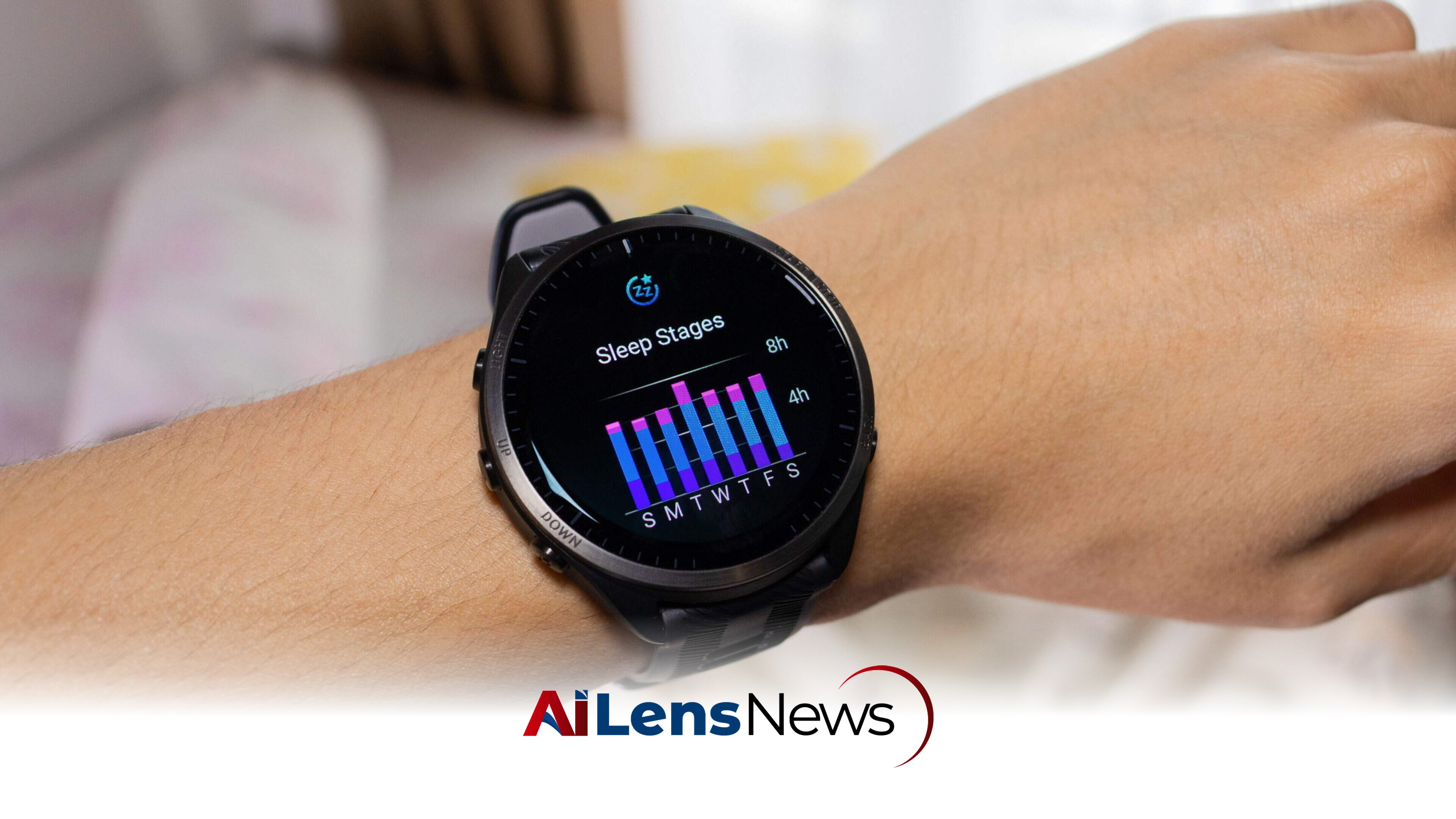


Exploring the benefits and drawbacks of sleep tracking technology to determine its effectiveness for improving sleep quality.
London, United Kingdom Jul 14, 2026 ALN: In today's fast-paced world, sleep tracking has gained significant popularity, with many individuals turning to technology to monitor their sleep patterns. But does sleep tracking really live up to the hype? This article delves into the pros and cons of sleep tracking to help you decide if it's worth incorporating into your nightly routine.
Sleep tracking involves using devices such as smartwatches, fitness trackers, or dedicated sleep monitors to gather data on your sleep patterns. These devices typically measure various metrics, including:
With this data, users can gain insights into their sleep habits and make adjustments to improve their overall sleep quality. The technology behind sleep tracking has evolved significantly over the years, moving from simple manual logs to sophisticated algorithms that analyze movement, heart rate, and even environmental factors such as noise and light levels.
There are several advantages to using sleep tracking technology:
Additionally, sleep tracking can be particularly beneficial for those suffering from sleep disorders. By monitoring sleep patterns, individuals can provide valuable data to healthcare professionals, aiding in the diagnosis and treatment of conditions such as insomnia or sleep apnea.
Despite the benefits, there are also drawbacks to consider:
Moreover, sleep tracking technology can sometimes lead to an oversimplification of sleep health. Sleep is a complex biological process influenced by numerous factors, including genetics, lifestyle, and psychological well-being. Relying solely on metrics from a device may overlook the holistic nature of sleep health.
The landscape of sleep tracking is continuously evolving, with advancements in technology enhancing the accuracy and usability of sleep monitors. Many modern devices now incorporate advanced sensors that can measure heart rate variability, blood oxygen levels, and even skin temperature to provide a more comprehensive view of sleep health. Some devices are even capable of monitoring environmental factors such as noise levels, light exposure, and room temperature, which can significantly impact sleep quality.
Additionally, the integration of artificial intelligence (AI) in sleep tracking applications is paving the way for personalized sleep recommendations. These applications analyze data over time to identify patterns and suggest tailored strategies for improving sleep. For instance, they might recommend optimal bedtime routines or adjustments to daily habits based on individual sleep patterns.
The implications of sleep tracking extend beyond individual sleep habits; they can influence broader health outcomes. Poor sleep is linked to numerous health issues, including obesity, diabetes, cardiovascular disease, and mental health disorders. By using sleep tracking to identify and address sleep issues, individuals may improve their overall health and reduce their risk of developing these conditions.
Moreover, the insights gained from sleep tracking can foster a greater understanding of the importance of sleep in public health discussions. As awareness of sleep's critical role in health continues to grow, sleep tracking may serve as a valuable tool for both individuals and healthcare professionals in promoting better sleep hygiene and overall wellness.
Ultimately, whether or not to track your sleep depends on your personal preferences and sleep goals. While sleep tracking can offer valuable insights and motivation for some, it may not be suitable for everyone. If you choose to incorporate sleep tracking into your routine, approach it with a balanced mindset, focusing on overall well-being rather than getting caught up in the numbers. It is essential to remember that technology is merely a tool and should complement, rather than replace, traditional methods of improving sleep health, such as maintaining a consistent sleep schedule, creating a restful sleep environment, and addressing underlying health issues.
To learn more about the latest developments in Wellness & Lifestyle, stay updated with our exclusive reports and analyses on AiLensNews.

