

More
Checking your session
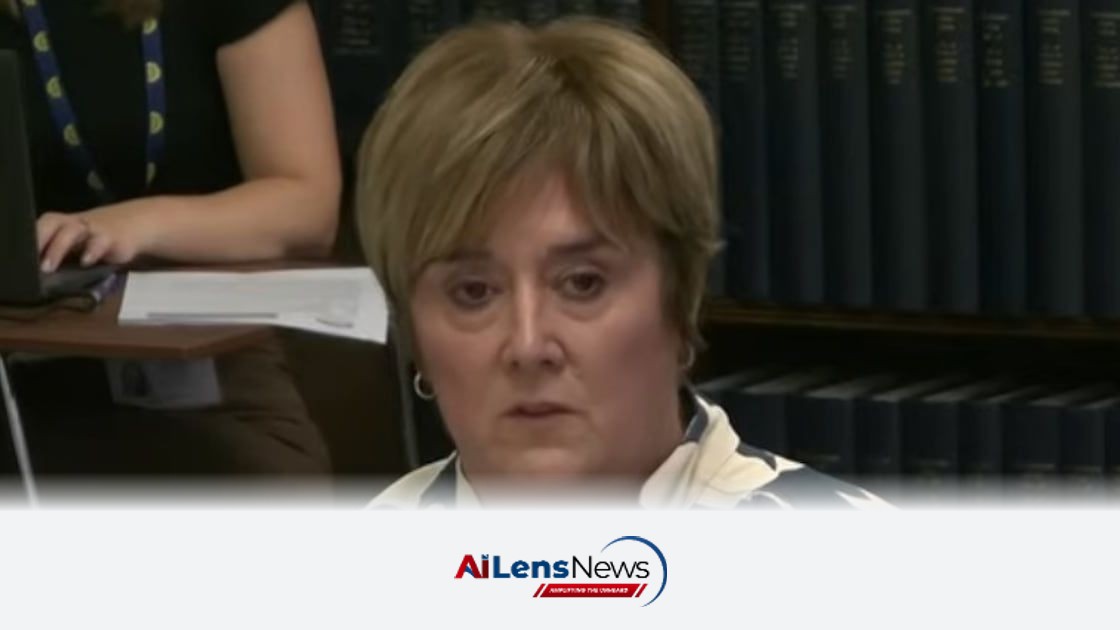



The highest paid director of a health board in Northern Ireland has received a £40,000 pay rise over two years, raising concerns as health workers consider strike action.
London, United Kingdom Aug 27, 2026 ALN: The highest paid director of a powerful board responsible for health service transformation has seen their pay packet rise by £40,000 in the space of two years, it has emerged. This increase comes at a time when Health and Social Care organizations in Northern Ireland are facing a directive to implement cuts of 12% over the next three years. Meanwhile, nurses are currently balloting for strike action over pay awards, highlighting the growing discontent among healthcare workers regarding their compensation and working conditions.
Recent reports indicate that senior executives of the Strategic Planning and Performance Group (SPPG) within Stormont’s Department of Health now command over £2 million in combined annual salaries. The SPPG is tasked with planning, improving, and overseeing the delivery of effective, high-quality, and safe health and social care services within available resources in Northern Ireland, operating with an annual budget exceeding £2 billion. This context is crucial, as it underscores the tension between executive compensation and the financial pressures faced by the healthcare system.
It has been revealed that the highest paid director within the SPPG currently earns between £160,000 and £165,000 per year, alongside benefits such as pension contributions. This figure was highlighted in an annual report by the Business Services Organisation of the Department of Health last month. Two years prior, this director's salary ranged from £120,000 to £125,000, marking a significant 32% increase over the same period. In contrast, the average salary of employees in the SPPG is now £55,635, reflecting a more modest 16% rise in the last two years. This disparity raises questions about equity and fairness within the health service, especially when considering the financial challenges faced by many healthcare professionals.
The £40,000 pay rise for this director is notably higher than the annual salaries of newly qualified nurses, who typically do not reach such pay levels until they have accumulated six years of service. This stark contrast between executive pay and frontline salaries has fueled public outrage and criticism, as many believe it reflects misplaced priorities within the health system.
The Department of Health has confirmed that the role of Chief Operating Officer, currently held on an interim basis by Tracey McCaig, is the highest paid position within the SPPG. A spokesperson for the department stated that a new framework for modernizing and reforming senior executive pay was introduced in 2023. This framework aims to create a fair, transparent, affordable, and defensible pay and grading system for all senior executives within the Health and Social Care sector.
The revised framework includes an 8-point incremental pay scale, revalorization of pay points, and a plan to shorten pay scales over a three-year period, with the goal of implementing a 5-point pay scale by the 2026-2027 financial year. While these measures may be intended to address concerns about executive compensation, they have not assuaged the anger of healthcare workers and the public.
Despite these reassurances, the £40,000 pay rise has drawn sharp criticism. Health workers’ union NIPSA reported that the Department of Health's permanent secretary outlined the efficiency drive in a recent meeting, prompting concerns among frontline staff. The juxtaposition of cuts to essential services and significant pay increases for top executives has led to a sense of betrayal among many healthcare professionals, who feel undervalued and overworked.
People Before Profit MLA Gerry Carroll condemned the pay increase for the highest SPPG director as “obscene.” He stated, “It is obscene that the people holding our health service together are forced to fight tooth and nail for basic parity, while those managing its decline quietly pocket a 32% rise.” Carroll emphasized that saving the health service necessitates direct investment in frontline workers, including their pay, terms, conditions, and safe staffing levels, rather than funneling funds to a body that has failed to enhance the efficacy, quality, and accessibility of healthcare services.
The implications of this situation extend beyond immediate financial concerns. The growing discontent among healthcare workers has the potential to impact patient care and the overall functioning of the health system. As nurses and other frontline staff consider strike action, the risk of service disruptions looms large, which could exacerbate existing pressures on an already strained healthcare system.
Moreover, the public's perception of the health service may be affected by these developments. Trust in the leadership of health organizations could be eroded if the public perceives that high salaries for executives are prioritized over the needs of patients and frontline workers. This could lead to calls for increased accountability and transparency within the health service, as well as demands for reform in how healthcare funding is allocated.
As the situation unfolds, it remains to be seen how the Department of Health will address the concerns of healthcare workers and the public. The balance between executive compensation and the need for adequate funding for frontline services will be a critical issue in the coming months, particularly as the health service grapples with the challenges of delivering quality care in a constrained financial environment.
In conclusion, the £40,000 pay rise for the highest paid director within the SPPG has sparked significant outrage amid ongoing cuts to health services and struggles for fair pay among frontline workers. This situation highlights the broader issues of equity, accountability, and the sustainability of the health service in Northern Ireland, raising important questions about how best to support both healthcare professionals and the patients they serve.
To learn more about the latest developments in Health News, stay updated with our exclusive reports and analyses on AILensNews.

A recent inspection in Qurain Markets revealed multiple food safety violations, …

Kuwait's Ministry of Health has introduced stringent regulations governing the p…

A new study reveals that climate change is causing children to experience an add…

Millions of Indonesians face health threats from thick haze caused by wildfires,…

H.E. Dr. Hanan Al Kuwari, former Minister of Public Health in Qatar, has been no…