

More
Checking your session
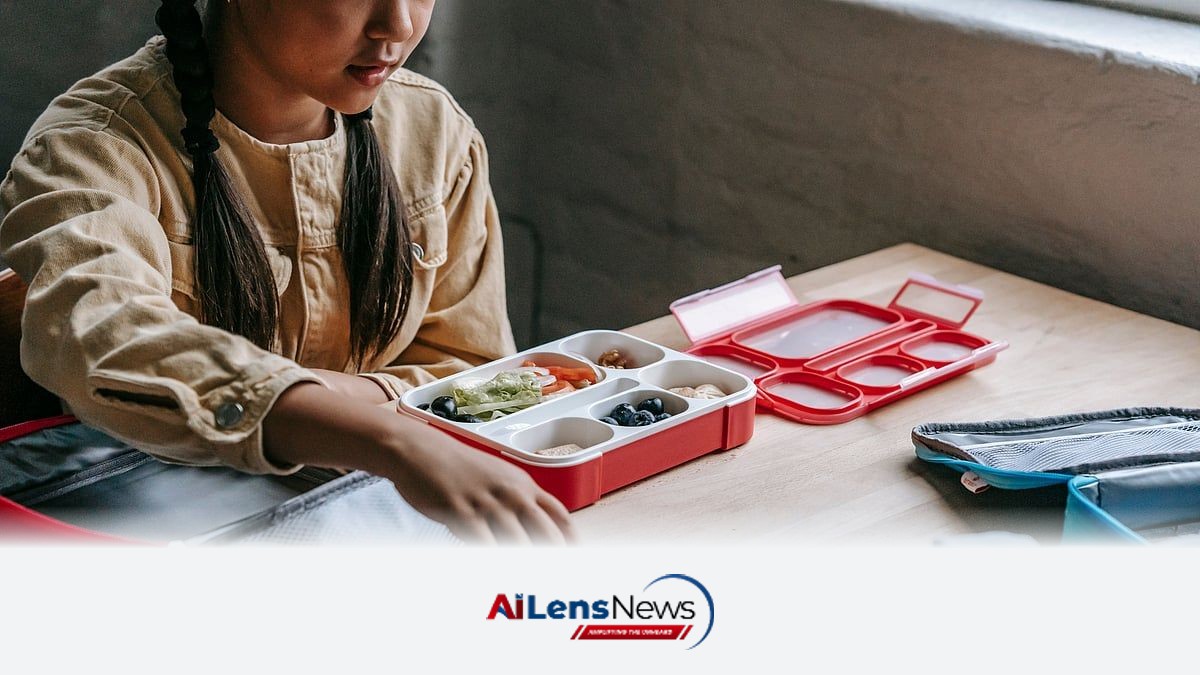



Learn how to ensure food safety and nutrition in children's lunchboxes during the extreme heat of the UAE.
Abu Dhabi, United Arab Emirates Aug 30, 2026 ALN:
The clock starts ticking the moment perishable food leaves the fridge. Ruba Elhourani, Clinical Dietician and Head of Nutrition Department at RAK Hospital, emphasizes that perishable foods can enter the food safety 'danger zone' quickly in hot conditions. Food safety guidelines recommend that perishable foods should not remain above 5°C and below 60°C for more than two hours. However, when ambient temperatures exceed 32°C, that limit drops to just one hour.
“In a schoolbag, especially if left in a bus, car, playground, or non-air-conditioned area, food can become unsafe well before lunchtime,” she warns. This rapid rise in temperature poses significant health risks, especially in regions like the UAE, where high temperatures are common for much of the year. The implications of food safety are particularly crucial for children, who are more vulnerable to foodborne illnesses due to their developing immune systems.
This is particularly relevant for foods many parents consider perfectly ordinary lunchbox staples. Cooked chicken, turkey, and other meats, eggs, dairy products such as yoghurt, labneh, cheese, and milk, tuna and other seafood, mayonnaise-containing sandwiches, and cooked rice and pasta salads all require careful temperature control. Cut fruit and vegetables can also become less safe if they remain warm for an extended period. The UAE's climate, characterized by intense heat and humidity, exacerbates these risks, making it essential for parents to be vigilant about food safety.
The reason isn't that these foods are inherently dangerous; rather, many contain the moisture and nutrients that allow bacteria such as Salmonella, Staphylococcus aureus, and Bacillus cereus to multiply when temperature control is inadequate. These bacteria can cause serious gastrointestinal illnesses, leading to symptoms such as nausea, vomiting, diarrhea, and abdominal cramps. In severe cases, foodborne illnesses can result in hospitalization, especially for young children, the elderly, and individuals with compromised immune systems.
Paediatrician Dr. Shruthi Punnapu, Specialist Paediatrician at Medcare Women & Children Hospital, notes that parents often underestimate how quickly this can happen. "Many parents believe that food will stay safe for longer than it actually does, especially if they are packing it in what they think are insulated containers," she explains. This misconception can lead to dangerous situations where children consume food that has been left at unsafe temperatures for too long.
To ensure food safety, parents should consider using insulated lunchboxes and ice packs to maintain a safe temperature for perishable items. Insulated lunchboxes are designed to keep food hot or cold for extended periods, and when combined with ice packs, they can significantly reduce the risk of bacterial growth. Regularly checking the temperature of food before packing it and educating children about the importance of food safety can also help mitigate risks. Teaching children to recognize signs of spoiled food, such as unusual odors or changes in texture, can empower them to make safer choices.
In addition to temperature control, parents should also be mindful of hygiene practices when preparing and packing lunches. Washing hands before handling food, using clean utensils, and ensuring that food containers are properly cleaned can further reduce the risk of contamination. Cross-contamination can occur when raw foods come into contact with cooked foods, so it is essential to keep these items separate during both preparation and storage.
Moreover, it is important to consider the types of food being packed in lunchboxes. Foods that are less prone to spoilage, such as whole fruits, vegetables, and certain grains, can be great alternatives to more perishable items. For example, instead of packing a tuna sandwich, parents might consider whole grain crackers with hummus and carrot sticks, which could be safer options in the heat.
In conclusion, while packing a nutritious lunch for children is essential, ensuring food safety in the extreme heat of the UAE is equally critical. By following these guidelines, parents can help keep their children's lunches safe and enjoyable. The health and well-being of children should always be the top priority, and understanding the risks associated with food safety can lead to better choices that promote a healthier lifestyle. As the UAE continues to experience extreme temperatures, awareness and education around food safety practices will be vital in preventing foodborne illnesses among children and ensuring that they have a safe and nourishing lunch experience.
To learn more about the latest developments in Health News, stay updated with our exclusive reports and analyses on AILensNews.

Researchers have developed a new form of Spirulina that provides biologically ac…

The Scottish Government is set to announce financial assistance for energy bills…

Michelle Beagan, a teacher from Co Fermanagh, struggles to access a life-changin…

Health officials in North Carolina are alerting visitors of a mobile petting zoo…

Discover how graduated compression socks can enhance comfort and reduce the risk…