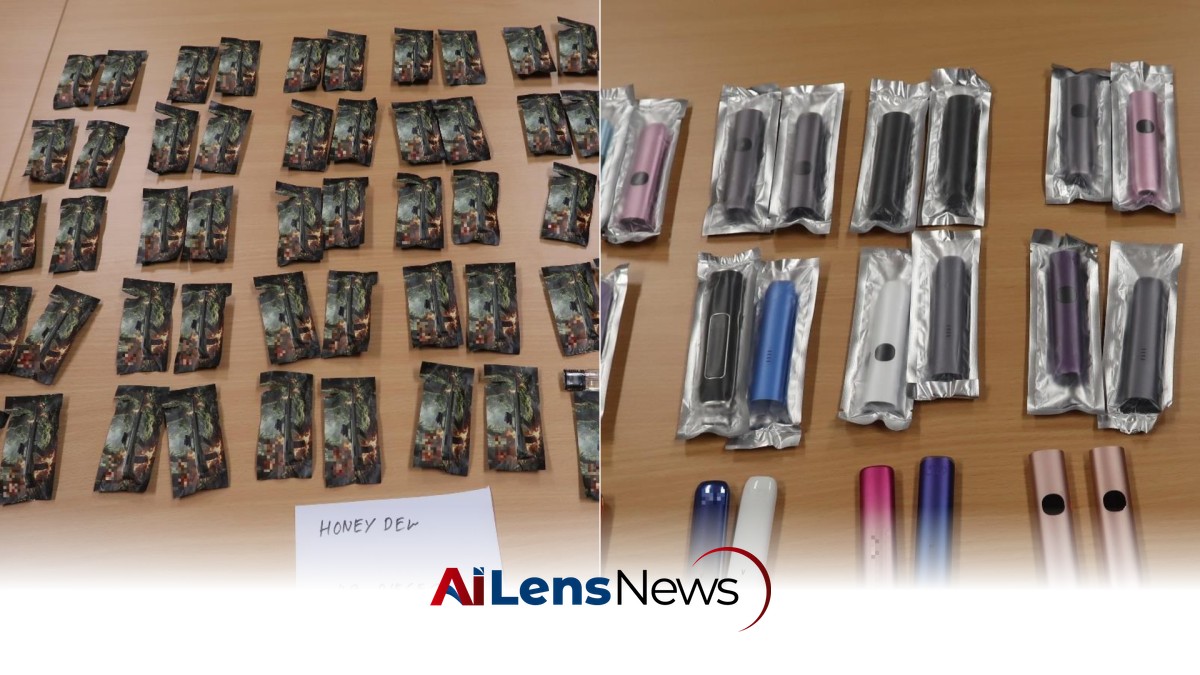


Kevin Ng Jiaren, 43, faces charges for importing vaporisers and possession of etomidate pods, with further investigations revealing more contraband.
Singapore, Singapore Jul 17, 2026 ALN: A 43-year-old man has been charged for the alleged importation of vaporisers and possession of etomidate vaporiser pods (Kpods) following a significant seizure at the Woodlands Checkpoint. The incident underscores the ongoing efforts by authorities in Singapore to combat illegal drug trafficking and the distribution of psychoactive substances.
Kevin Ng Jiaren was detained by officers from the Immigration and Checkpoints Authority (ICA) on July 6 after being found with 29 vapes in his possession. The ICA plays a crucial role in safeguarding Singapore’s borders, ensuring that illegal goods, including drugs and other controlled substances, do not enter the country. The agency's vigilance at checkpoints has been a critical factor in maintaining public safety and health.
Following Ng's initial detention, the Health Sciences Authority (HSA) took over the investigation. This agency is responsible for regulating health products, including pharmaceuticals and medical devices, and enforcing laws related to the importation and sale of such items. During the investigation, HSA officials discovered an additional 228 vape pods at Ng's residence, raising concerns about the scale of the operation and the potential distribution network involved.
In a news release issued on July 16, the HSA confirmed that laboratory tests verified the seized pods contained etomidate, a specified psychoactive substance. Etomidate is primarily used in medical settings as an anesthetic agent, but its recreational use can lead to serious health risks, including addiction and adverse psychological effects. The discovery of etomidate in the seized items highlights the dangers posed by the illegal trafficking of substances that can have profound effects on users' health.
The agency indicated that the vapes and Kpods were allegedly intended for supply, suggesting that Ng may have been part of a larger network involved in the distribution of illegal vaping products. The implications of such activities are significant, as they contribute to the growing concerns regarding substance abuse and the health risks associated with vaping. In recent years, there has been a notable increase in the popularity of vaping among young people, raising alarms among health officials about potential addiction and long-term health effects.
Ng has been remanded for a week to assist with ongoing investigations and is scheduled to appear in court again on August 25. The legal proceedings will likely shed more light on the extent of Ng's involvement in the illegal importation and distribution of vaporisers and Kpods. His case may also serve as a deterrent to others who may consider engaging in similar illegal activities.
The HSA has issued a stern warning to potential offenders, emphasizing its serious stance on vaporiser and etomidate trafficking offenses. Under the Tobacco and Vaporisers Control Act, etomidate and its analogues are classified as specified psychoactive substances. The Act aims to regulate the use and distribution of tobacco and related products, including vaping devices, to protect public health.
Individuals found guilty of importing such substances could face severe penalties, including up to 20 years in prison and a maximum of 15 strokes of the cane. Such stringent penalties reflect the government's commitment to combating drug-related offenses and protecting the community from the harms associated with substance abuse. Additionally, suppliers may face imprisonment of up to 10 years and up to five strokes of the cane, further highlighting the serious nature of these offenses.
The case also raises important questions about the broader implications of vaping culture in Singapore and the associated health risks. As vaping becomes increasingly popular, particularly among younger demographics, health authorities are concerned about the potential for addiction and the long-term effects of inhaling vaporized substances. The HSA has been proactive in educating the public about the risks of vaping and the importance of adhering to regulations surrounding the sale and distribution of such products.
For those seeking support regarding vaping or addiction, the HSA provides contact information for various support services. The agency encourages individuals to report any vaping offenses to its Tobacco Regulation Branch, emphasizing the role of the community in maintaining a safe and healthy environment. This collaborative approach is essential in addressing the challenges posed by substance abuse and ensuring that individuals have access to the help they need.
As the investigation continues, the case highlights the ongoing concerns surrounding the illegal importation and distribution of vaping products in Singapore. The government's efforts to combat these issues are part of a larger strategy to protect public health and ensure that the community is safeguarded from the dangers associated with drug abuse. The outcome of Ng's case may set a precedent for future legal actions against similar offenses, reinforcing the message that illegal drug trafficking will not be tolerated.
Vaping has emerged as a significant public health issue in many countries, including Singapore. The rise of vaping among youths has prompted health authorities to take a closer look at the motivations behind this trend. Many young individuals perceive vaping as a safer alternative to traditional smoking, often unaware of the potential health risks involved. Research has indicated that vaping devices can deliver nicotine and other harmful substances, leading to addiction and other health complications.
In Singapore, the government has implemented strict regulations to control the sale and use of vaping products. The Tobacco and Vaporisers Control Act was introduced to curb the rising trend of vaping, particularly among minors. These regulations include prohibitions on the sale of vaporisers to individuals under the age of 21 and restrictions on advertising and promotion of vaping products. The government’s stringent measures reflect a proactive stance towards public health, aiming to minimize the risks associated with vaping and ensure that young people are protected from potential harm.
Moreover, the HSA has launched various public awareness campaigns to educate the community about the risks of vaping. These campaigns aim to dispel myths surrounding the safety of vaping compared to traditional smoking and to inform individuals about the addictive nature of nicotine. By raising awareness, the authorities hope to encourage healthier lifestyle choices and deter individuals from engaging in activities that could lead to substance abuse.
The implications of the Woodlands Checkpoint incident extend beyond the immediate case of Ng. It serves as a reminder of the ongoing challenges faced by authorities in combating the illegal drug trade and the importance of continued vigilance at border checkpoints. The ICA and HSA's collaborative efforts in addressing these issues are vital for maintaining public safety and health.
As discussions around vaping continue, it is essential for stakeholders, including health professionals, educators, and policymakers, to engage in a dialogue about the best strategies to address the growing concerns associated with vaping. By working together, they can develop comprehensive approaches that not only focus on regulation and enforcement but also prioritize education and support for those affected by substance abuse.
In conclusion, the case of Kevin Ng Jiaren highlights the serious implications of illegal vaping products and the ongoing efforts by Singaporean authorities to combat drug trafficking. As the legal proceedings unfold, the outcomes may influence future policies and reinforce the commitment to protecting public health. The community's role in supporting these efforts is crucial, and continued awareness and education will be key in addressing the challenges posed by substance abuse in all its forms.
To learn more about the latest developments in Health News, stay updated with our exclusive reports and analyses on AiLensNews.

