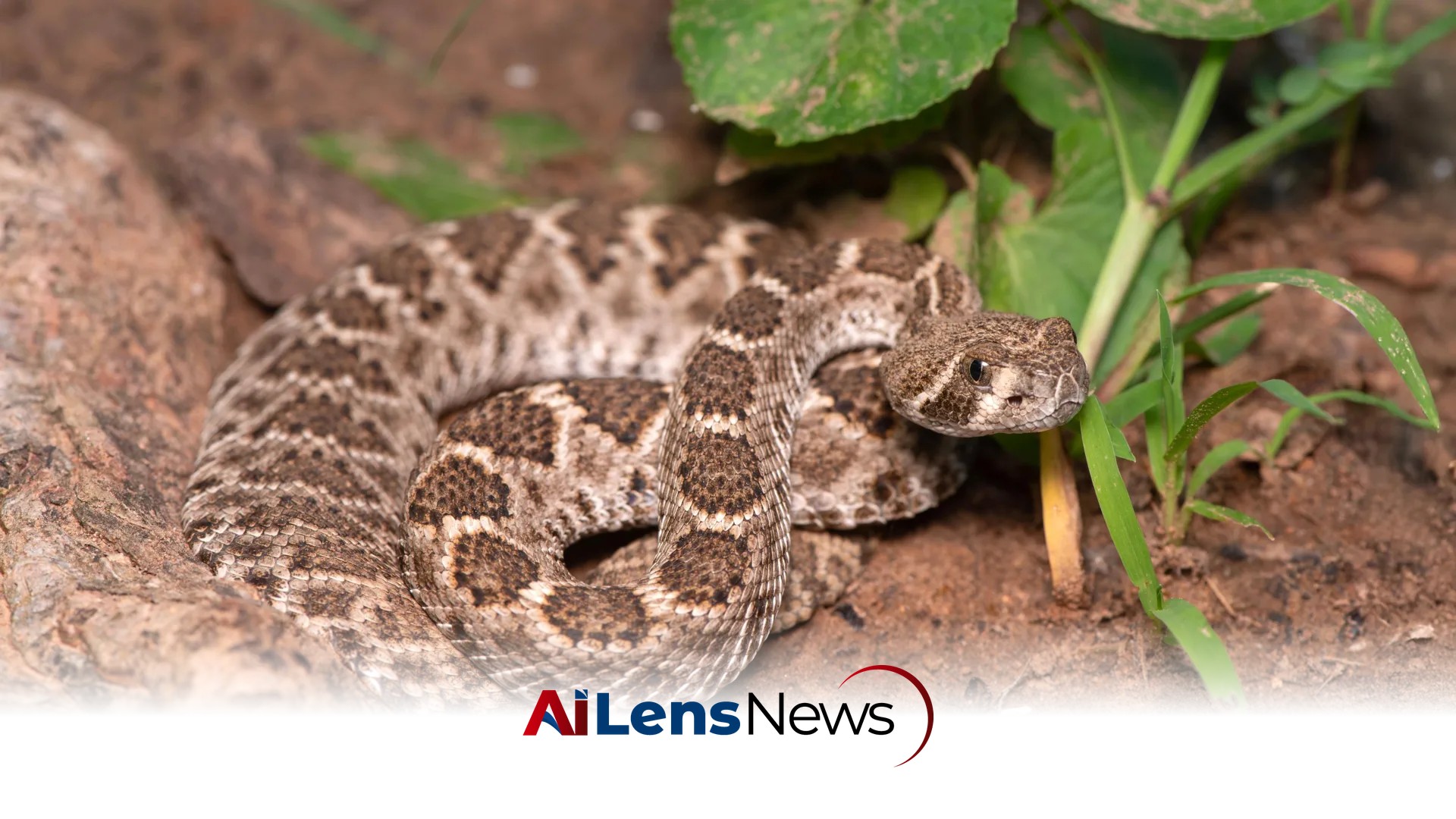


A new study reveals that baby rattlesnakes are not more dangerous than adults, challenging a long-held belief and shedding light on the myth's origins.
New Delhi, India Jul 10, 2026 ALN: A common belief that baby rattlesnakes are more dangerous than adults has been overturned by a new study from Loma Linda University. After reviewing the history and spread of the myth, researchers concluded that bites from adult rattlesnakes are generally more dangerous because adults carry and inject much larger amounts of venom. This finding has significant implications for public understanding of rattlesnake behavior and the appropriate responses to snake encounters.
The study also disproves the widely repeated claim that baby rattlesnakes cannot control how much venom they release and therefore inject all of it when they bite. According to the researchers, this misconception has had serious real-world consequences, leading to a range of negative outcomes for both humans and rattlesnakes alike.
The study states that the false belief has led "to negative consequences, including misinformed risk‐taking by those encountering snakes, unwarranted fear among snakebite victims, and inappropriate care delivered by misinformed or patient/family‐pressured medical professionals." This highlights the importance of accurate information, particularly in emergency situations where lives may be at stake.
William Hayes, professor of biology at Loma Linda University School of Medicine and the study's lead researcher, emphasized the need for clarity on this issue. "This is an easily defanged myth that has generated dread, panic, and real-life consequences," he stated. "Ample evidence demonstrates that baby rattlers, like adults, can control their venom expulsion; the adults possess and deliver far more venom when biting, and the adults cause substantially more severe symptoms in snakebite victims." This underscores the importance of understanding the biological differences between juvenile and adult rattlesnakes.
Hayes also stressed that a bite from any rattlesnake remains a medical emergency and requires immediate medical attention. He added that antivenom is the only effective treatment for rattlesnake bites, regardless of the age of the snake. This further emphasizes the need for individuals to seek professional medical help if bitten, rather than relying on myths or misconceptions about the danger posed by baby rattlesnakes.
The findings were published last week in the journal Toxins, contributing to a growing body of research aimed at debunking myths surrounding wildlife interactions and promoting better public safety practices.
Beyond influencing how people respond to snake encounters, the researchers say the myth has also affected how rattlesnakes are treated. Misunderstandings about these snakes have led to a significant increase in unnecessary fear and hostility towards them.
"Misconceptions about rattlesnakes create unnecessary fear and frequently result in people harming or killing them," the study stated. "Rattlesnakes occupy an important role in the ecosystems they dwell in, and in recent years their populations have dropped significantly in many parts of the United States." This decline in rattlesnake populations can have cascading effects on local ecosystems, as these snakes play a critical role in controlling rodent populations and maintaining ecological balance.
Moreover, the decline of rattlesnakes can disrupt the food chain, affecting not only the rattlesnakes themselves but also the species that rely on them as both predators and prey. This interconnectedness highlights the need for a more nuanced understanding of wildlife and their roles in the environment, which can be severely impacted by myths and misinformation.
The researchers traced the myth back to at least 1967, when it began appearing in news reports. They found that California news outlets played a major role in spreading the false claim during the 1970s, 1980s, and 1990s. From 2000 through 2014, the misconception continued to spread through media organizations across North America. This historical context underscores how media narratives can shape public perception and influence behavior, often with unintended consequences.
Although the myth still appears today, including in some well-known sources identified by the study, the researchers found that news coverage has become increasingly accurate since 2015. They suggest that better public education has helped reduce the spread of misinformation, indicating a positive trend towards more responsible reporting on wildlife issues.
Much of the inaccurate reporting, they found, originated from incorrect quotes attributed to care professionals and emergency responders, including firefighters, police officers, and other rescue personnel. This highlights the critical role that accurate communication plays in shaping public understanding of safety issues. By contrast, quotes from subject matter experts, particularly university professors, were generally far more accurate, demonstrating the importance of consulting knowledgeable sources when discussing wildlife and public .
The study found that the myth remains remarkably widespread. According to Hayes, 53% of the Southern California students surveyed believed it was true, along with 73% of emergency responders and care professionals who participated in the research. This indicates a significant gap in knowledge that could have serious implications for public safety and wildlife conservation.
"We're hoping to get the word out so that we can get this myth corrected," Hayes said. "There's no need for hikers to have unwarranted fear of baby rattlesnakes or to think they need to harm or kill the snakes. We also don't want physicians or veterinarians to succumb to pressure from patients and families who insist on excessive medication after a bite from a baby rattlesnake." This call to action emphasizes the need for ongoing education and outreach efforts to ensure that accurate information is disseminated widely.
As the study highlights, addressing these misconceptions is not just about correcting false beliefs; it is also about fostering a more respectful and informed relationship between humans and wildlife. By dispelling myths and promoting understanding, we can contribute to the conservation of rattlesnakes and the ecosystems they inhabit, while also ensuring that individuals are better prepared to respond to snake encounters in a safe and informed manner.
To learn more about the latest developments in Health News, stay updated with our exclusive reports and analyses on AiLensNews.

