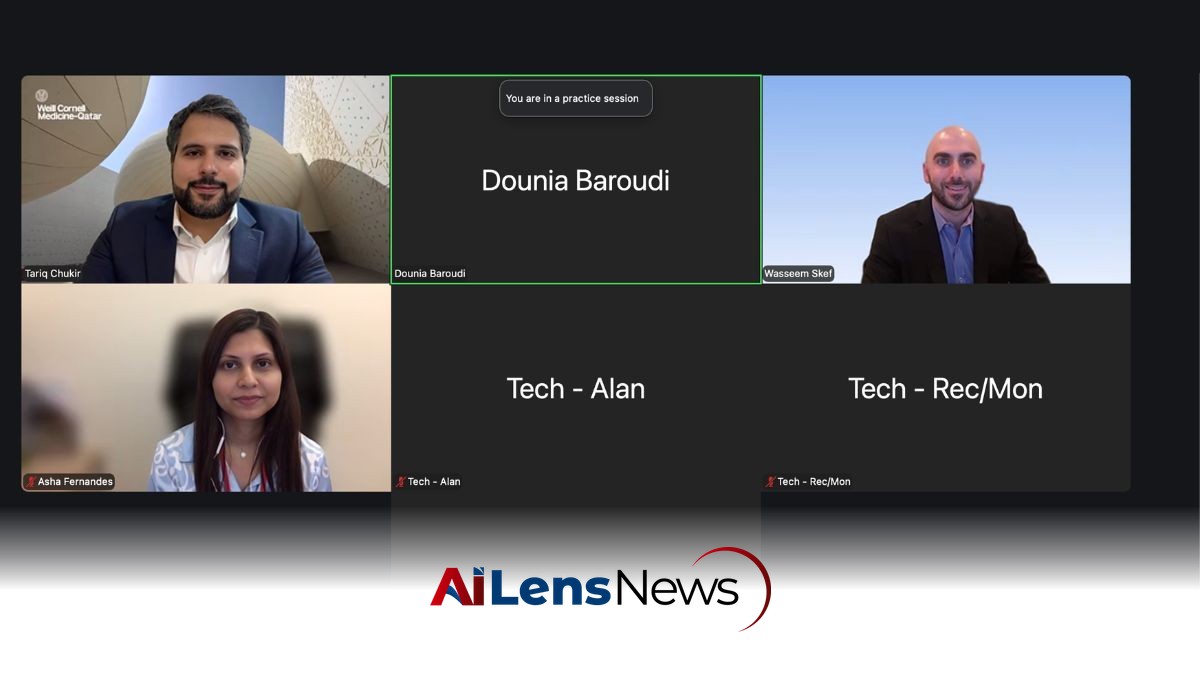


The recent WCM-Q Grand Rounds webinar focused on a cutting-edge, minimally invasive procedure for treating gastroesophageal reflux disease (GERD), presented by Dr. Wasseem Skef.
Doha, Qatar Jul 22, 2026 ALN: An advanced, minimally invasive procedure for treating gastroesophageal reflux disease (GERD) was the focus of a recent session in Weill Cornell Medicine-Qatar (WCM-Q) Grand Rounds Live Webinar Series.
The webinar, titled Endoscopic Fundoplication for GERD: Where Do We Stand in 2026, was delivered by Dr Wasseem Skef, Assistant Professor of Medicine in the Division of Gastroenterology and Hepatology at McGovern Medical School, UTHealth Houston, and a WCM-Q alumnus. This session is part of a broader initiative to enhance medical education and provide healthcare professionals with the latest advancements in treatment methodologies.
The session examined transoral endoscopic fundoplication (TIF), an incisionless procedure used to treat GERD. The technique involves passing an endoscope and specialized probe through the patient’s mouth into the stomach to repair the valve between the esophagus and stomach, helping prevent acid reflux without the need for abdominal incisions. This innovative approach represents a significant advancement in the treatment of GERD, which affects millions of people worldwide.
During the webinar, Dr Skef explained the anatomy of the body’s anti-reflux barrier and how dysfunction of this system can lead to GERD, commonly known as acid reflux. The anti-reflux barrier comprises the lower esophageal sphincter (LES), the diaphragm, and the esophageal lining. When these components do not function properly, the likelihood of acid reflux increases, leading to the symptoms associated with GERD.
GERD is a chronic condition in which stomach acid frequently flows back into the esophagus, causing symptoms such as heartburn, chest pain, a bitter taste in the mouth, difficulty swallowing, and coughing. If left untreated, GERD can lead to more severe complications, including esophagitis, Barrett's esophagus, and even esophageal cancer. The prevalence of GERD has been rising, with studies indicating that it affects approximately 20% of the adult population in Western countries, and the numbers are expected to grow.
Dr Skef explained that the condition is often linked to weakness in the lower esophageal sphincter, the muscular valve that normally prevents stomach contents from re-entering the esophagus. Various factors, including obesity, pregnancy, smoking, and certain dietary choices, can contribute to the weakening of the LES, exacerbating the symptoms of GERD.
The webinar also explored fundoplication, a procedure in which part of the stomach, known as the fundus, is wrapped around the weakened valve to strengthen it and reduce reflux. Traditional fundoplication, while effective, often requires invasive surgery, leading to longer recovery times and potential complications. The TIF procedure, by contrast, minimizes these risks and offers a quicker recovery, making it an attractive option for many patients.
In addition to outlining the procedure, Dr Skef discussed its effectiveness, patient selection criteria, and safety data. The effectiveness of TIF has been supported by various studies, showing that it can significantly reduce GERD symptoms and improve patients' quality of life. However, not all patients are suitable candidates for this procedure. Factors such as the severity of GERD, the presence of esophageal motility disorders, and previous surgical interventions must be carefully considered when determining patient eligibility.
He also reviewed the Lyon Consensus 2.0, the leading international framework for diagnosing and managing GERD. This consensus provides guidelines for healthcare professionals on how to effectively diagnose and treat GERD, emphasizing the importance of a comprehensive approach that includes lifestyle modifications, medical therapy, and surgical options when necessary. The Lyon Consensus aims to standardize the management of GERD globally, ensuring that patients receive evidence-based care regardless of their geographical location.
WCM-Q’s Grand Rounds Live Webinar Series is organized by the college’s Division of Continuing Professional Development and is designed for physicians, nurses, dentists, pharmacists, allied health professionals, students, researchers, and educators. These sessions not only serve to educate healthcare professionals but also foster a community of learning and collaboration among medical practitioners.
The webinar was accredited locally by the Ministry of Public Health’s Department of Healthcare Professions – Accreditation Section and internationally by the Accreditation Council for Continuing Medical Education (ACCME). This accreditation underscores the commitment of WCM-Q to provide high-quality educational opportunities that meet the needs of healthcare professionals in Qatar and beyond.
The implications of advancements in GERD treatment, such as TIF, extend beyond immediate patient care. As healthcare systems worldwide grapple with the rising prevalence of chronic conditions, innovative treatment options that minimize invasiveness and enhance recovery times are essential. They not only improve patient outcomes but also potentially reduce healthcare costs associated with prolonged hospital stays and complications from traditional surgical methods.
Furthermore, as more healthcare professionals become aware of these advanced techniques through platforms like WCM-Q’s Grand Rounds, the dissemination of knowledge will likely lead to wider adoption of such procedures, ultimately benefiting a larger segment of the population suffering from GERD. This proactive approach to medical education and treatment innovation positions institutions like WCM-Q at the forefront of healthcare advancement in the region.
GERD is not only a significant health issue but also a growing concern for healthcare systems globally. The chronic nature of the disease can lead to increased healthcare utilization, including frequent visits to primary care providers and specialists, long-term medication use, and potential hospitalizations for complications. As such, the development of effective treatment options like TIF is crucial in addressing both the clinical and economic burdens associated with GERD.
In addition to TIF, other treatments for GERD include lifestyle modifications, pharmacotherapy, and traditional surgical interventions. Lifestyle changes may involve dietary adjustments, weight loss, and smoking cessation, which can help manage symptoms and reduce the frequency of reflux episodes. Pharmacotherapy typically includes the use of proton pump inhibitors (PPIs) and H2-receptor antagonists, which work by reducing stomach acid production. While these medications can be effective, they are not without side effects and may not be suitable for all patients, particularly those with long-term use concerns.
Traditional surgical options, such as laparoscopic fundoplication, have been the standard approach for patients with severe GERD who do not respond to medical therapy. However, the invasiveness of these procedures can deter some patients from seeking surgical intervention. The advent of TIF offers a less invasive alternative that can be performed on an outpatient basis, reducing the need for hospital stays and allowing for quicker return to daily activities.
As the medical community continues to explore and validate new treatment modalities, ongoing research and clinical trials will be essential for further refining the indications for TIF and improving patient outcomes. Collaborative efforts between institutions, such as WCM-Q and other medical schools and hospitals, will be vital in advancing the understanding of GERD and its treatment.
In conclusion, the recent WCM-Q Grand Rounds webinar highlighted the importance of innovative approaches to treating GERD, such as transoral endoscopic fundoplication. As healthcare professionals become more informed about these advancements, the potential for improved patient care and outcomes increases. The ongoing commitment to education and collaboration in the medical community is essential in addressing the challenges posed by chronic conditions like GERD, ultimately leading to better health for individuals and populations alike.
To learn more about the latest developments in Health News, stay updated with our exclusive reports and analyses on AiLensNews.

