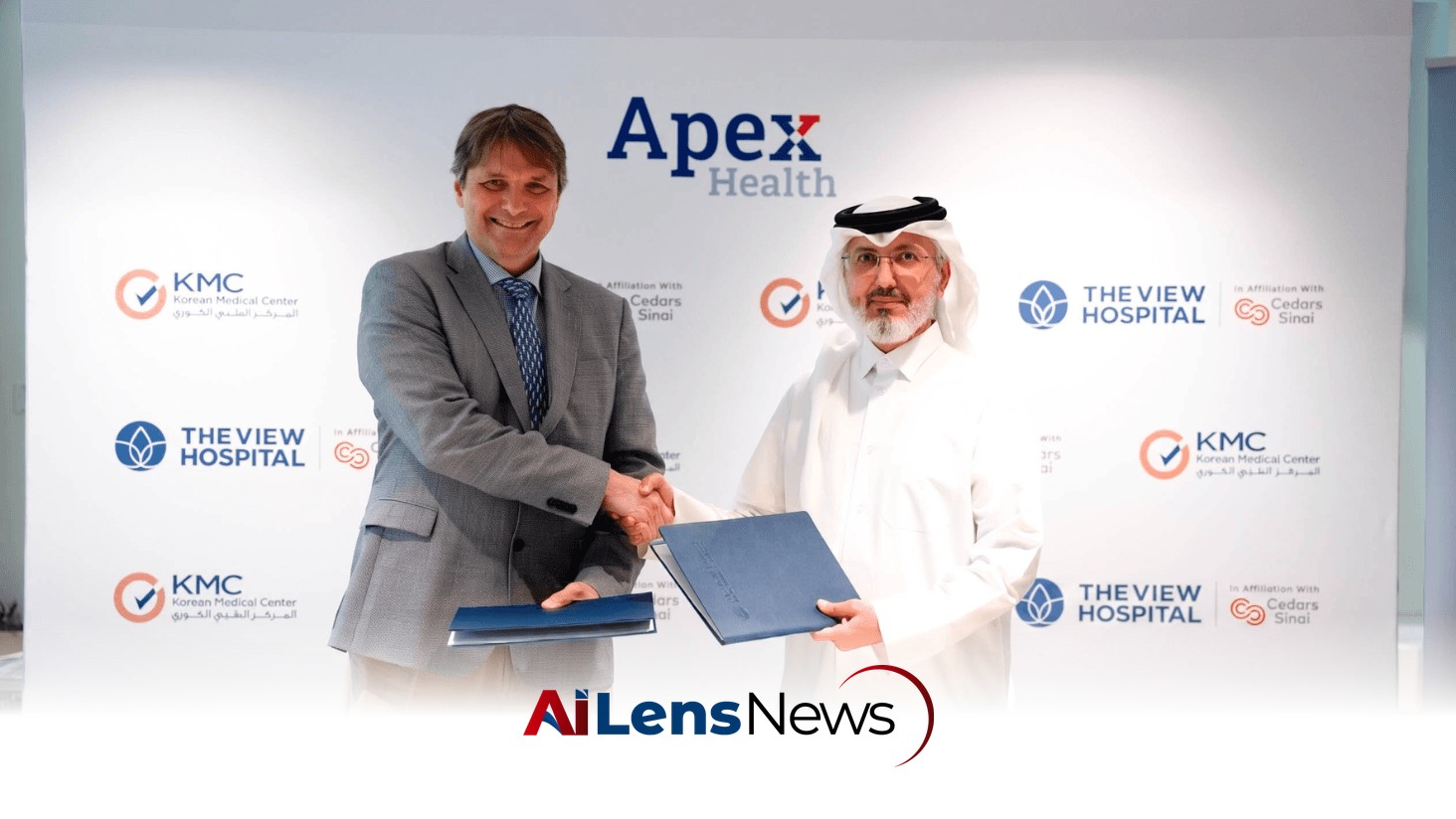



Sidra Medicine and The View Hospital have partnered to expand cord blood banking services for expectant families in Qatar, ensuring local storage and care.
Doha, Qatar Aug 12, 2026 ALN: Expectant families receiving maternity care at The View Hospital will now have access to Sidra Medicine’s cord blood banking services under a new agreement between the two healthcare organisations. This collaboration marks a significant advancement in maternal and neonatal healthcare in Qatar, aiming to enhance the availability of crucial medical resources for families during a pivotal moment in their lives.
The partnership allows eligible maternity patients at The View Hospital to register for the service, thereby expanding access to local collection and storage of newborn umbilical cord blood in Qatar. This initiative is particularly important as it provides families with the opportunity to preserve stem cells that may be vital for future medical treatments, thus adding a layer of security and foresight in healthcare planning.
Following the collection of cord blood, samples will be transported to Sidra Medicine’s Good Manufacturing Practice (GMP) facility. Here, they will undergo rigorous processing and testing before being placed in long-term cryogenic storage under recognised quality standards. This ensures that the stem cells remain viable for potential future use, adhering to stringent safety and efficacy guidelines.
Cord blood is the blood that remains in a newborn’s umbilical cord and placenta after birth. It contains hematopoietic, or blood-forming, stem cells, which can be used in transplantation for certain diseases affecting the blood and immune systems. These stem cells are essential because they have the ability to develop into various types of blood cells, making them invaluable in treating conditions such as leukemia, lymphoma, and other blood disorders.
The collection of cord blood takes place after the umbilical cord has been clamped and cut. According to Sidra Medicine, the procedure is painless and non-invasive for both mother and baby and does not interfere with vaginal or Caesarean delivery. This non-invasive nature of the collection process is crucial in making it a viable option for families, as it poses no additional risk to the mother or child.
Because cord blood can only be collected at birth, families considering banking it need to make the decision during pregnancy or around the time of delivery. This requirement necessitates that expectant parents educate themselves about the benefits and logistics of cord blood banking well in advance of their due date.
Cord blood-derived stem cells are already used in established treatments for certain blood-forming, immune, and inherited disorders. For instance, these stem cells have been successfully used in the treatment of conditions such as sickle cell disease and thalassemia. Additionally, research is exploring possible regenerative applications for other conditions, including neurological disorders and certain types of cancers.
However, it is important to distinguish between established treatments and experimental applications. While research is ongoing into conditions including autism and other neurological disorders, the US Food and Drug Administration (FDA) notes that cord blood-derived stem cell products are not approved in the US for treating autism or other non-blood-related conditions. This highlights the need for caution and thorough understanding when considering the potential uses of cord blood stem cells.
Sidra Medicine asserts that its GMP facility is the only facility in Qatar providing local cord blood storage, allowing families to keep their samples within the country rather than relying on overseas storage. This local availability is particularly beneficial for families, as it alleviates concerns regarding the logistics and potential delays associated with international transport of biological materials.
Local processing and storage can also allow faster handling of samples and direct access to Sidra’s specialised teams. If stem cells are later required at an authorised medical centre abroad, Sidra states that it can facilitate their preparation and transfer, ensuring that families have timely access to their stored resources when needed.
The same GMP facility also supports other advanced services at Sidra Medicine, including the preparation of bone marrow stem cells for transplantation and cell and gene therapy products used in paediatric care. This multi-functional approach enhances the overall capabilities of Sidra Medicine, positioning it as a leading institution in the field of regenerative medicine and advanced therapeutic solutions.
Sidra Medicine Acting CEO Mohammad Al Mana remarked that the agreement is intended to make advanced healthcare services more accessible to families across Qatar, while giving expectant parents additional options as part of maternity care. This initiative is indicative of a broader trend in healthcare towards integrating innovative services into standard care pathways, thereby enhancing the overall patient experience.
The View Hospital Director Yannis Angouras noted that the collaboration complements the hospital’s services for women and children by connecting expectant families with Sidra Medicine’s cord blood banking capabilities. This partnership not only enhances the services offered by The View Hospital but also reinforces the importance of collaboration between healthcare institutions in providing comprehensive care.
By integrating cord blood banking into the maternity pathway at The View Hospital, the partnership gives more families in Qatar the option to preserve a biological resource that can only be collected at birth while keeping the processing and long-term storage within the country. This local integration of services is crucial, as it fosters a sense of community support and trust in the healthcare system, encouraging families to take proactive steps in managing their health and that of their newborns.
In conclusion, the agreement between Sidra Medicine and The View Hospital represents a significant step forward in enhancing maternal and neonatal healthcare in Qatar. By providing families with access to cord blood banking services, the partnership not only empowers parents to make informed decisions about their child's health but also contributes to the broader goal of advancing medical research and treatment options in the region. As healthcare continues to evolve, such collaborations will be essential in ensuring that families receive the most comprehensive and forward-thinking care possible.
To learn more about the latest developments in Health News, stay updated with our exclusive reports and analyses on AILensNews.

