

Qatar is investing heavily in biotechnology, aiming to establish itself as a leading hub in the Middle East and Africa through research, healthcare, and international collaboration.
Doha, Qatar Jul 29, 2026 ALN: Sustained investments in research infrastructure, precision health, and international collaboration anchor Qatar’s strategy to build a dynamic biotechnology hub across the Middle East and Africa (MEA) region, according to Invest Qatar. This initiative is part of a broader vision to position Qatar as a leader in the rapidly evolving field of biotechnology, which is increasingly recognized as a critical component of modern economies.
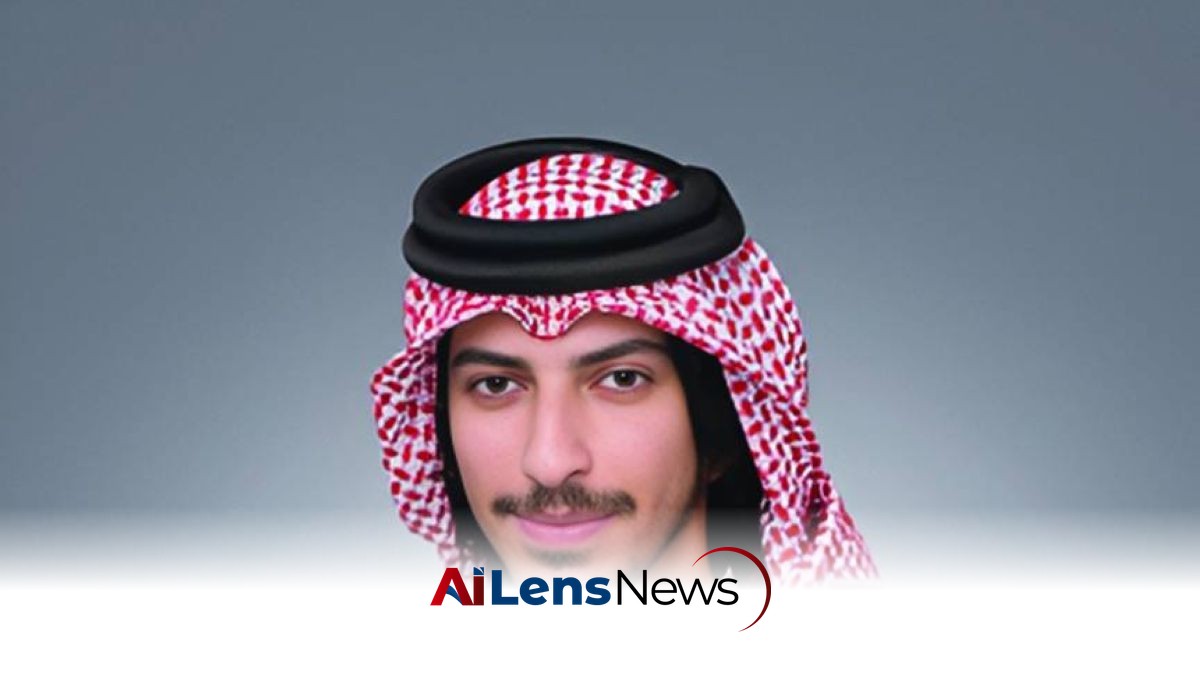
“Qatar is helping lay the foundations for a dynamic biotechnology ecosystem and contributing to the next chapter of global biotechnology innovation,” stated Nasser al-Kaabi, head of Investment Facilitation at Invest Qatar. His remarks emphasize Qatar's commitment to fostering an environment conducive to biotechnological advancements, which are essential not only for healthcare but also for economic diversification and sustainability.
Al-Kaabi elaborated on these national initiatives in an article published on Invest Qatar’s X account titled ‘Unlocking Biotechnology Growth in the Middle East and Africa: from emerging potential to global impact’. He noted that these efforts align with Qatar National Vision 2030, a strategic framework aimed at transforming the country into an advanced society capable of sustaining its development while ensuring a high standard of living for its people. Central to this vision is the emphasis on health and human development, which are seen as foundational pillars for long-term economic growth.
In recent years, Qatar has made sustained investments in research, healthcare, and scientific infrastructure, allocating between “0.5%” and “0.7%” of its GDP to research and development. This investment aims to boost this figure to “1.5%” by 2030, reflecting a robust commitment to fostering innovation. “At the same time, healthcare expenditure is projected to grow from approximately $7bn in 2025 to $12.5bn by 2030, supporting the continued development of an innovation-driven healthcare ecosystem,” al-Kaabi stated, highlighting the government's recognition of the importance of healthcare as a driver of economic and social progress.
This spending supports a growing innovation network backed by institutions like Qatar Foundation, Qatar Biomedical Research Institute, Qatar Environment and Energy Research Institute, Sidra Medicine, and local universities. These institutions play a pivotal role in advancing research initiatives and developing new technologies that can address both local and global health challenges. Precision medicine and genomics remain key focal points of this research, allowing for tailored healthcare solutions that can improve patient outcomes and reduce costs.
“National initiatives, including the Qatar Precision Health Institute (QPHI), which is responsible for Qatar Biobank and the Qatar Genome Programme, have collectively advanced population-scale research, with more than 40,000 Qatari and Arab genomes sequenced, creating one of the region’s most comprehensive genomic datasets,” al-Kaabi explained. This extensive genomic research is crucial for understanding genetic predispositions to diseases prevalent in the region, thereby enabling targeted medical research and personalized treatment strategies. The Qatar Genome Programme also opens avenues for scientific collaboration, both regionally and internationally, fostering a culture of innovation and knowledge exchange.
“Biotechnology is rapidly emerging as one of the defining industries of the 21st century. From developing life-saving therapies and strengthening food security to advancing sustainable manufacturing and addressing environmental challenges, its impact extends far beyond the laboratory,” he stated. The versatility of biotechnology spans various sectors, including healthcare, agriculture, and environmental management, underscoring its importance in addressing some of the world's most pressing challenges.
The global biotech market is expected to expand from “$1.38tn” in 2025 to “$4.33tn” by 2034, registering a compound annual growth rate (CAGR) of “13.6%,” al-Kaabi said. This growth trajectory reflects a burgeoning recognition of the role that biotechnology plays in economic development and public health. “Increasingly, policymakers recognize that leadership in biotechnology is not merely a scientific ambition but an economic necessity for competitiveness, resilience, and long-term prosperity,” he emphasized. This perspective is particularly relevant for countries in the MEA region, where there is a growing realization of the need to diversify economies that have historically been dependent on oil and gas revenues.
While North America holds the largest market share and Asia-Pacific grows at the fastest pace, the MEA region is claiming greater prominence in the global biotechnology landscape. Regional market value is forecast to climb from “$51.5bn” in 2025 to “$125.9bn” by 2034, reflecting a “10.5%” CAGR, al-Kaabi stated. This growth is indicative of the increasing healthcare demand, heightened investment in research and development, and a growing focus on food security and sustainability. Furthermore, efforts to diversify economies beyond traditional sectors are driving this momentum.
Al-Kaabi noted that GCC states are expanding their regional capabilities through targeted policies, including Saudi Arabia’s National Biotechnology Strategy and the UAE's life sciences hubs. These initiatives aim to create supportive environments for biotechnology firms, enhance research capabilities, and attract global talent and investment. However, he cautioned that global competitiveness requires more than investment alone. Successful biotechnology ecosystems combine world-class research, access to capital, supportive regulation, industry collaboration, and specialized talent.
“As biotechnology becomes increasingly central to future economic competitiveness, the countries that successfully connect research excellence, investment capital, and commercialization capabilities will define the next generation of global biotech hubs,” he said. This statement underscores the importance of an integrated approach to building a biotechnology ecosystem that can thrive in an increasingly competitive global market.
In conclusion, Qatar's strategy to establish itself as a biotechnology hub in the MEA region is a multifaceted effort that combines investment in research and development, healthcare infrastructure, and international collaboration. As the global biotechnology market continues to expand, Qatar's initiatives may not only enhance its own economic prospects but also contribute to the broader advancement of biotechnology in the region, fostering innovation that can address critical health and environmental challenges. The implications of these developments are significant, as they may lead to improved health outcomes, economic diversification, and enhanced global competitiveness for Qatar and its neighbors in the MEA region.
To learn more about the latest developments in Health News, stay updated with our exclusive reports and analyses on AiLensNews.

