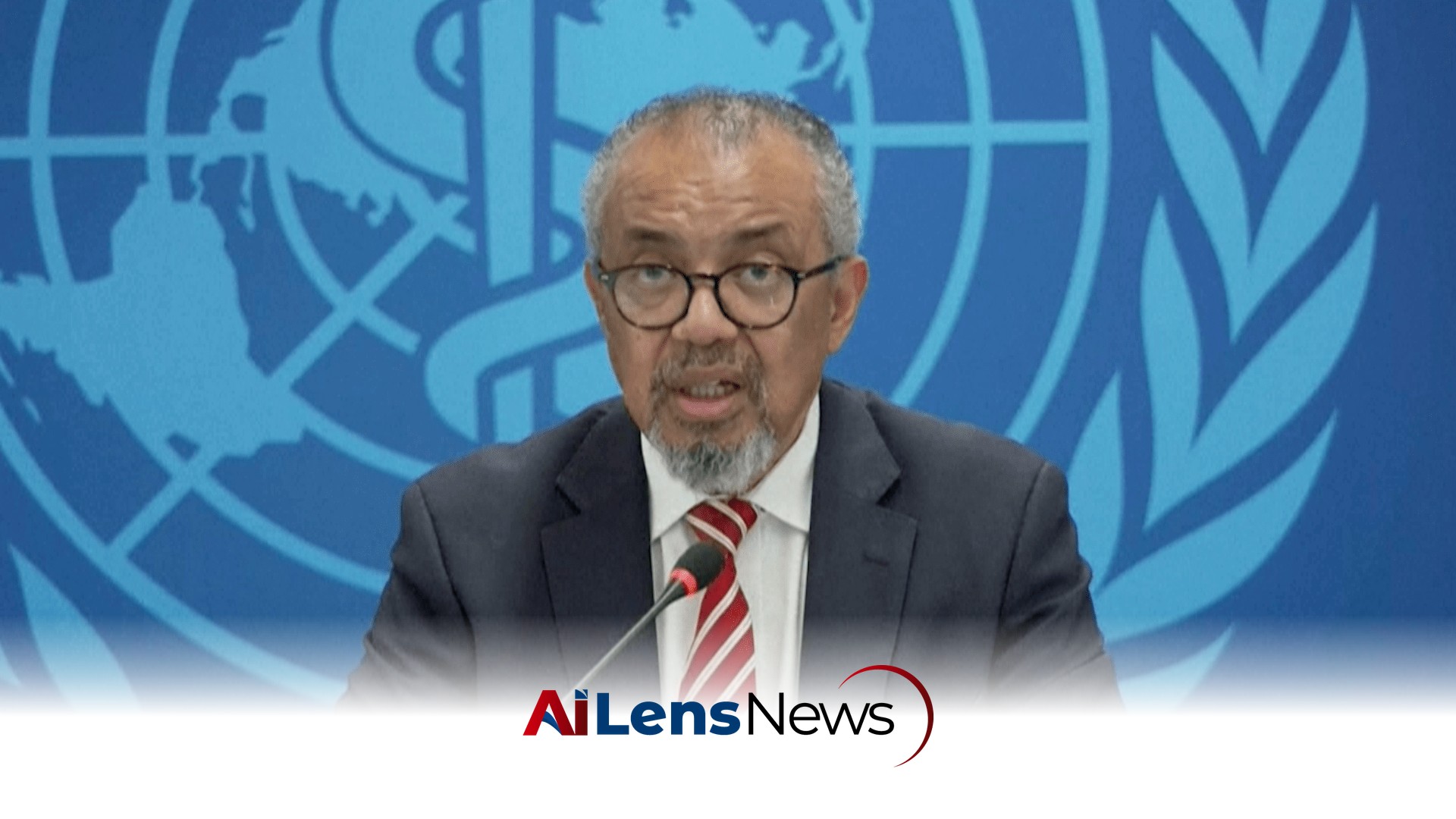


The World Health Organization reports a rapid escalation of the Ebola outbreak in the Democratic Republic of the Congo, marking it as one of the largest in history.
Doha, Qatar Jul 16, 2026 ALN: The World Health Organization (WHO) has issued a grave warning regarding the ongoing Ebola outbreak in the Democratic Republic of the Congo (DRC), stating that it is spreading faster than any previous outbreak recorded. In just two months, over 2,000 cases and 796 deaths have been confirmed, making this the third-largest Ebola outbreak in history. The DRC, which has experienced multiple outbreaks of Ebola since the virus was first identified in 1976, is now facing a crisis that could have far-reaching consequences if not addressed promptly and effectively.
The alarming speed of transmission has raised concerns among health officials and the international community. The WHO's Director-General, Dr. Tedros Adhanom Ghebreyesus, emphasized the urgency of the situation during a recent press conference. He noted that the outbreak's rapid spread poses significant challenges for containment efforts. Health authorities are particularly worried about the virus spreading into urban areas, where the population density could exacerbate the situation, making it even more difficult to control.
Reports indicate that many of the cases are occurring in remote regions where healthcare infrastructure is limited. This lack of access to medical care not only hampers efforts to treat those infected but also complicates the implementation of preventive measures. The situation is exacerbated by social factors, including mistrust in health authorities and traditional burial practices that may increase the risk of transmission. Community engagement is crucial, as local populations need to understand how the virus spreads and the importance of seeking medical attention if symptoms arise.
In response to the outbreak, the WHO is mobilizing resources and coordinating with local health authorities to implement effective containment strategies. These measures include:
In addition to these immediate measures, the WHO is also working on longer-term strategies to strengthen the healthcare system in the DRC. This includes improving surveillance systems to detect outbreaks earlier and enhancing laboratory capacity for more rapid testing of suspected cases. The focus is not only on immediate containment but also on building a resilient healthcare infrastructure that can withstand future outbreaks.
This outbreak is particularly concerning given the historical context of Ebola in the DRC. The Ebola virus was first identified in the DRC in 1976, and the country has since experienced numerous outbreaks, some of which have resulted in devastating consequences. Previous outbreaks have shown that the virus can spread rapidly in densely populated areas, leading to high mortality rates. The current outbreak's scale and speed are unprecedented, prompting fears of a wider epidemic. In the past, the DRC has faced several significant outbreaks, such as those in 1995 and 2014, which highlighted the challenges of containing the virus in both rural and urban settings.
The DRC's experience with Ebola has shaped its response strategies, but the current situation presents unique challenges. The interplay of cultural practices, healthcare access, and community trust plays a critical role in the effectiveness of the response. Understanding these dynamics is essential for health officials as they work to implement containment measures. For instance, traditional burial practices, which may involve washing the body, can pose significant risks for transmission, as the virus can survive on surfaces for several hours.
The implications of this outbreak extend beyond the borders of the DRC. As the world continues to grapple with health crises, including the COVID-19 pandemic, the rapid spread of Ebola serves as a reminder of the need for robust global health systems and preparedness. The WHO is calling for international support to combat the outbreak and prevent further loss of life. Countries around the world are being urged to assist in various ways, including providing financial aid, medical supplies, and personnel to support containment efforts. Such collaboration can enhance the effectiveness of the response and help to mitigate the outbreak's impact.
This outbreak also raises questions about global health security and the need for a coordinated response to infectious diseases. The interconnectedness of the world means that an outbreak in one region can quickly affect others, highlighting the importance of international collaboration in health surveillance and emergency response. The lessons learned from past outbreaks, such as the West African Ebola outbreak from 2014 to 2016, underscore the necessity of having a prepared and well-coordinated global response to emerging infectious diseases.
As the situation develops, the WHO continues to monitor the outbreak closely. Health officials urge individuals to remain vigilant and adhere to safety guidelines to minimize the risk of transmission. The fight against Ebola in the DRC is ongoing, and the global community must unite to address this urgent health crisis. The lessons learned from this outbreak will be crucial in informing future responses to similar health emergencies, emphasizing the need for preparedness, rapid response, and community engagement in combating infectious diseases.
In summary, the current Ebola outbreak in the DRC poses a significant public health threat not only to the country but also to the global community. The WHO and local health authorities are working diligently to contain the outbreak, but the challenges are immense. The response will require a multifaceted approach that includes immediate medical interventions, community education, and long-term health system strengthening. The international community's support will be vital in ensuring that the DRC can effectively manage this crisis and prevent further loss of life.
To learn more about the latest developments in Health News, stay updated with our exclusive reports and analyses on AiLensNews.

