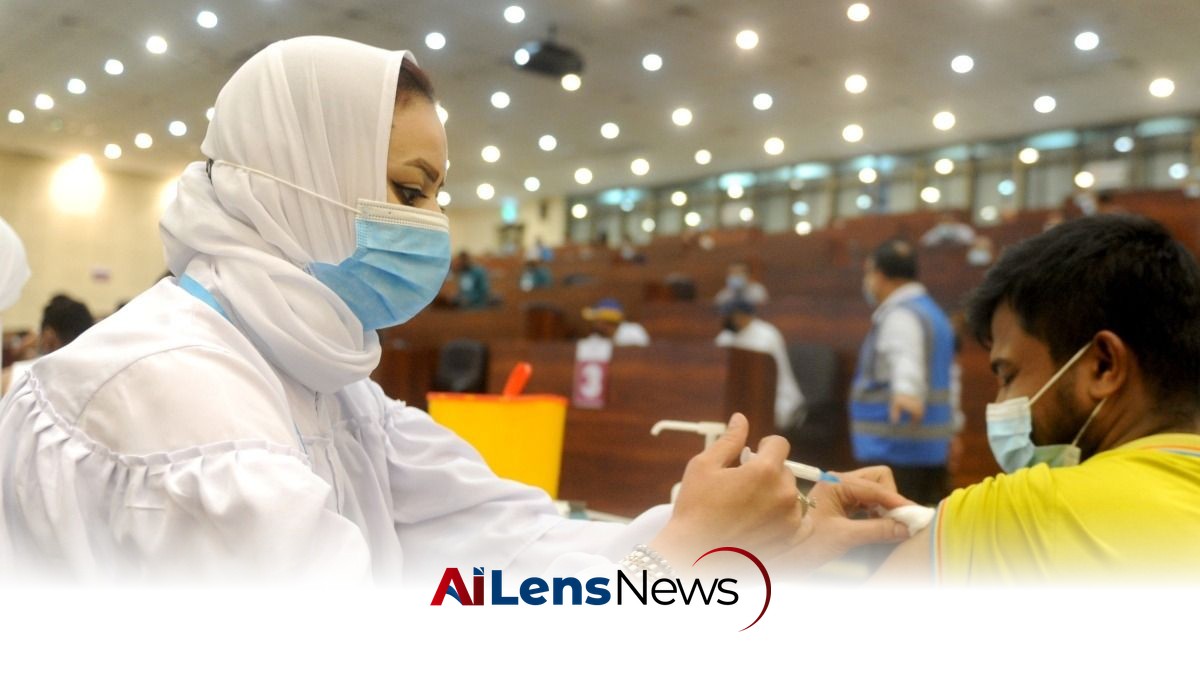



The Ministry of Health in Kuwait has implemented a new dress code to standardize uniforms for healthcare workers, enhancing identification and safety.
Kuwait City, Kuwait Aug 3, 2026 ALN: The introduction of Ministerial Resolution No. 197 of 2026 by Kuwait's Minister of Health, Dr. Ahmed Al-Awadi, marks a significant step in the evolution of healthcare professionalism within the country. This resolution serves as an amendment to existing regulations that govern the appearance and uniforms of employees in both the government and private healthcare sectors. The implications of this resolution are far-reaching, as it seeks not only to standardize professional attire but also to enhance safety and improve workplace identification among healthcare practitioners and technical staff.
The primary objective of the new dress code is to unify professional attire across various categories of healthcare workers. This move is particularly important in a healthcare environment where clear identification can play a crucial role in patient care and safety. By establishing distinct uniform colors and styles for different professional roles, the Ministry of Health aims to ensure that patients and their families can easily recognize healthcare professionals and their specific functions within the healthcare system.
According to the new regulations, doctors and dentists will don dark navy blue uniforms, while supervisory nursing and midwifery positions will also wear navy blue. The nursing and midwifery staff will have the option of wearing blue or white uniforms. This color-coding system not only differentiates roles but also fosters a sense of professionalism and pride among healthcare workers. The choice of colors has been carefully considered to reflect the seriousness and professionalism required in medical settings.
In contrast to the changes for doctors and nursing staff, the official attire for employees in other auxiliary medical professions remains unchanged. This decision may reflect the Ministry's recognition of the established standards and practices that already exist in those areas. However, it also raises questions about whether further updates may be necessary in the future to ensure consistency across all healthcare roles.
One of the more detailed aspects of the resolution pertains to the uniforms designated for engineers and employees working in engineering roles within the Ministry of Health. The engineering uniform is designed with functionality and safety in mind, featuring a black base color that is both practical and professional. The upper section of the uniform is made from highly breathable mesh fabric, which is essential for comfort during long hours of work, while the lower section is crafted from durable, field-resistant material, ensuring that it can withstand the rigors of operational work.
Safety is a paramount concern in the healthcare environment, particularly for those working in engineering roles that may involve field operations. To address this, the new engineering uniform incorporates adjustable side straps with hook-and-loop fasteners and high-visibility reflective strips in phosphorescent green and silver. These reflective strips are strategically placed on various parts of the uniform, including the shoulders, front and back sections, sleeves, and trousers, to maximize visibility and safety during field operations. This focus on visibility is crucial in environments where quick identification can prevent accidents and enhance overall safety.
The design of the engineering jacket also includes practical features such as upper pockets with flaps and side pockets with zippers, allowing for easy access to tools and essential items. Furthermore, designated areas for the employee’s name, job title, and the Ministry of Health logo are included on the jacket, reinforcing professional identity and accountability. The back of the jacket will carry the designation “Engineering and Projects Sector” along with the abbreviation “EAPS,” further clarifying the role of the wearer.
In terms of material quality, the Ministry has specified that the engineering uniform must be made from high-quality professional fabric that is resistant to friction, tearing, and exposure to light chemical oils. This requirement underscores the importance of durability and safety in the engineering roles within the healthcare sector. Additionally, the material must be treated to provide fire resistance, which is particularly relevant for those working in environments where exposure to fire hazards is a possibility.
Furthermore, the resolution mandates that all stitching, reflective strips, and logos must meet high-quality standards and be securely attached to withstand repeated use and washing. This attention to detail ensures that the uniforms not only look professional but also maintain their integrity over time, contributing to the overall effectiveness of the dress code.
The introduction of these updated regulations is part of a broader effort by the Ministry of Health to standardize professional appearance among healthcare workers. This initiative reflects a growing recognition of the importance of professionalism in healthcare settings, where the appearance of staff can significantly influence patient perceptions and experiences. By enhancing staff identification through uniformity and professionalism, the Ministry aims to foster trust and confidence among patients and their families.
Moreover, the implications of this resolution extend beyond mere aesthetics. A well-defined dress code can contribute to improved workplace morale and a sense of belonging among healthcare professionals. When employees feel proud of their appearance and identify with their uniforms, it can lead to increased job satisfaction and a more cohesive work environment.
In conclusion, the enactment of Ministerial Resolution No. 197 of 2026 represents a pivotal moment for the healthcare sector in Kuwait. By establishing clear and standardized uniform regulations, the Ministry of Health is taking significant steps towards enhancing professionalism, safety, and workplace identification among healthcare practitioners and technical staff. As these changes take effect, it will be important to monitor their impact on both staff morale and patient experiences, ensuring that the goals of the resolution are met and that the standards of healthcare in Kuwait continue to rise.
To learn more about the latest developments in Health News, stay updated with our exclusive reports and analyses on AILensNews.

