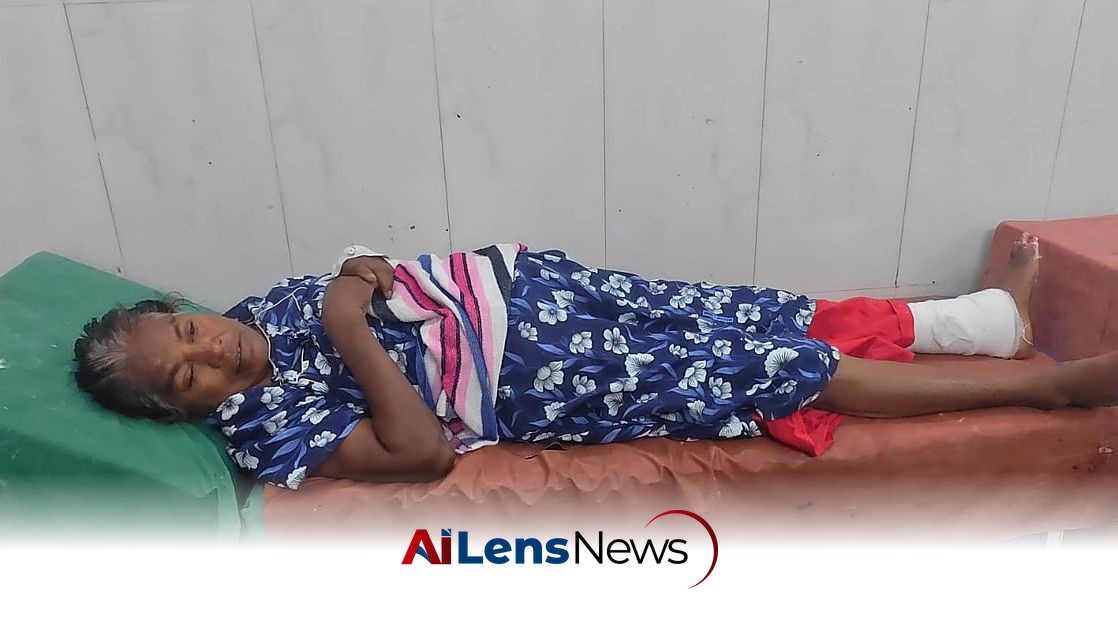


The Tiruchy District Collector has ordered a probe following a rat bite incident at Annal Gandhi Memorial Government Hospital, where a senior citizen lost a toe.
New Delhi, India Jul 24, 2026 ALN: Tiruchy District Collector on Friday (July 24) ordered a probe into the rat bite incident in Annal Gandhi Memorial Government Hospital, where a senior citizen woman lost her toe. This unfortunate event has raised serious concerns about hygiene standards and patient safety within the hospital, prompting immediate action from local authorities.
The incident involved R Tamil Kodi, a 68-year-old woman who was admitted to the hospital for treatment following orthopedic surgery on her ankle. While recuperating in her hospital bed, she suffered a rat bite that resulted in the amputation of her toe. Such incidents are alarming, as they highlight potential lapses in hospital sanitation and pest control measures, which are critical to ensuring a safe environment for patients.
In the wake of the incident, the Dean of the hospital, Dr. S Kumaravel, conducted an inspection of the ward where the incident occurred. Following his assessment, he ordered immediate and proper treatment for the affected patient. This response is crucial, as it not only addresses the medical needs of the patient but also reflects the hospital's commitment to patient care in the face of an unfortunate event.
The situation escalated when a video surfaced on social media showing rodent movement within the Intensive Care Unit (ICU) of the hospital. The video, which quickly went viral, depicted a rat entering through a hole in the ventilation slot and moving around the ICU hall. The footage has sparked outrage and concern among the public, raising questions about the hospital's cleanliness and the safety of patients, especially those in critical care.
In response to the public outcry and the seriousness of the situation, hospital workers undertook immediate measures to address the issue. On the day following the incident, they cleaned the entire premises thoroughly and took steps to plug any visible holes around the hospital. These actions are part of an urgent effort to prevent further incidents of this nature and to reassure the public that the hospital is taking the matter seriously.
The rat bite incident is not an isolated case, as it reflects a broader issue of pest control in hospitals across India. Many hospitals, particularly government-run facilities, struggle with maintaining adequate sanitation standards due to various factors, including funding constraints, lack of resources, and high patient volumes. Such challenges can lead to compromised patient safety, which is unacceptable in healthcare settings.
Public health experts emphasize the importance of rigorous pest control measures in hospitals. Rodents can carry diseases and pose significant health risks to patients, especially those with weakened immune systems. The presence of rodents in a hospital setting can lead to infections and complications, further complicating the recovery process for patients. Hospitals are expected to be sanctuaries for healing, and any lapses in hygiene can have dire consequences.
This incident has triggered a conversation about accountability and the need for improved oversight in healthcare facilities. The Collector's decision to initiate an investigation is a step towards holding the hospital administration accountable for ensuring a clean and safe environment for patients. It also serves as a reminder of the importance of regular inspections and maintenance of hospital facilities to prevent similar occurrences in the future. The public's trust in healthcare systems is paramount, and incidents like these can severely undermine that trust.
The implications of this incident extend beyond the immediate concerns for the affected patient. It highlights the need for systemic changes in hospital management practices, particularly in government hospitals where resources may be limited. Stakeholders, including health authorities and hospital administrators, must work together to implement effective pest control strategies and improve overall hygiene standards in healthcare facilities. This includes not only addressing the immediate issues but also developing long-term solutions that ensure patient safety and comfort.
Furthermore, this incident raises awareness among the public about the importance of advocating for patient safety and quality healthcare. Patients and their families should feel empowered to voice their concerns regarding hygiene and safety in hospitals. The more informed and vigilant the public is, the more likely healthcare facilities will be held accountable for maintaining high standards of care. Advocacy groups and patient rights organizations play a crucial role in ensuring that healthcare providers meet the expectations of cleanliness and safety.
In conclusion, the rat bite incident at Annal Gandhi Memorial Government Hospital serves as a critical reminder of the challenges faced by healthcare facilities in maintaining patient safety. The immediate actions taken by the hospital administration and the Collector's investigation are steps in the right direction, but they must be part of a larger commitment to improving hospital hygiene and patient care. As this situation develops, it will be essential to monitor the outcomes of the investigation and the measures implemented to prevent such incidents from occurring in the future. The healthcare system must learn from this incident to create a safer environment for all patients, ensuring that hospitals can fulfill their essential role in society without compromising on the health and safety of those they serve.
To learn more about the latest developments in Emergency & Critical Care, stay updated with our exclusive reports and analyses on AiLensNews.

