


The government announces a new health insurance scheme for seniors, alongside significant healthcare reforms and infrastructure improvements.
Chennai, India Aug 18, 2026 ALN: The government is set to launch the ‘Chief Minister’s Elderly Health Insurance Scheme’, aimed at covering nearly 38 lakh senior citizens aged 70 and above. This initiative will provide free medical treatment, including cancer care packages, advanced cardiac surgeries, organ transplants, and high-end diagnostic services, at both empanelled government and private hospitals, with no income ceiling, as announced by Health Minister K.G. Arunraj in the Assembly on Monday. This scheme is particularly significant as it addresses the growing health care needs of the elderly population, who often face financial barriers to accessing necessary medical treatments.
With an ever-increasing life expectancy, the demographic of senior citizens is expanding rapidly in many regions, leading to a higher prevalence of chronic diseases and health complications that require extensive medical care. By providing comprehensive health insurance, the government aims to alleviate the financial burden on families and ensure that older adults receive timely and adequate medical attention.
In a sweeping move, the Minister made 115 announcements for the Health Department, with a total estimated outlay of ₹2,997 crore. These announcements encompass various areas, including policy reforms, universal free health services, the creation of new posts, infrastructure projects, equipment procurement, direct beneficiary programmes, and digital health initiatives. The extensive nature of these announcements indicates a significant investment in the health sector, reflecting the government’s commitment to improving health outcomes and access to services for all citizens.
The government plans to replace the 87-year-old Public Health Act of 1939 with a modern, comprehensive Act designed to tackle contemporary and future health challenges. Minister Arunraj highlighted that a new provision will make unsupervised home births outside hospitals a punishable offence. This change is intended to enhance maternal and child health safety, addressing the risks associated with unregulated childbirth practices that can lead to severe health complications or fatalities.
Additionally, the establishment of ‘TN Medicity’, a world-class integrated medical hub, is anticipated to be a game-changer in the region’s healthcare landscape. This hub will encompass clinical services, research, medical tourism, and AYUSH (Ayurveda, Yoga, Unani, Siddha, and Homeopathy) practices. An initial allocation of ₹10 crore will be made for the preparation of a Detailed Project Report in the first phase. The creation of such a hub aims to not only improve local healthcare services but also attract international patients seeking specialized treatments, thereby boosting the local economy.
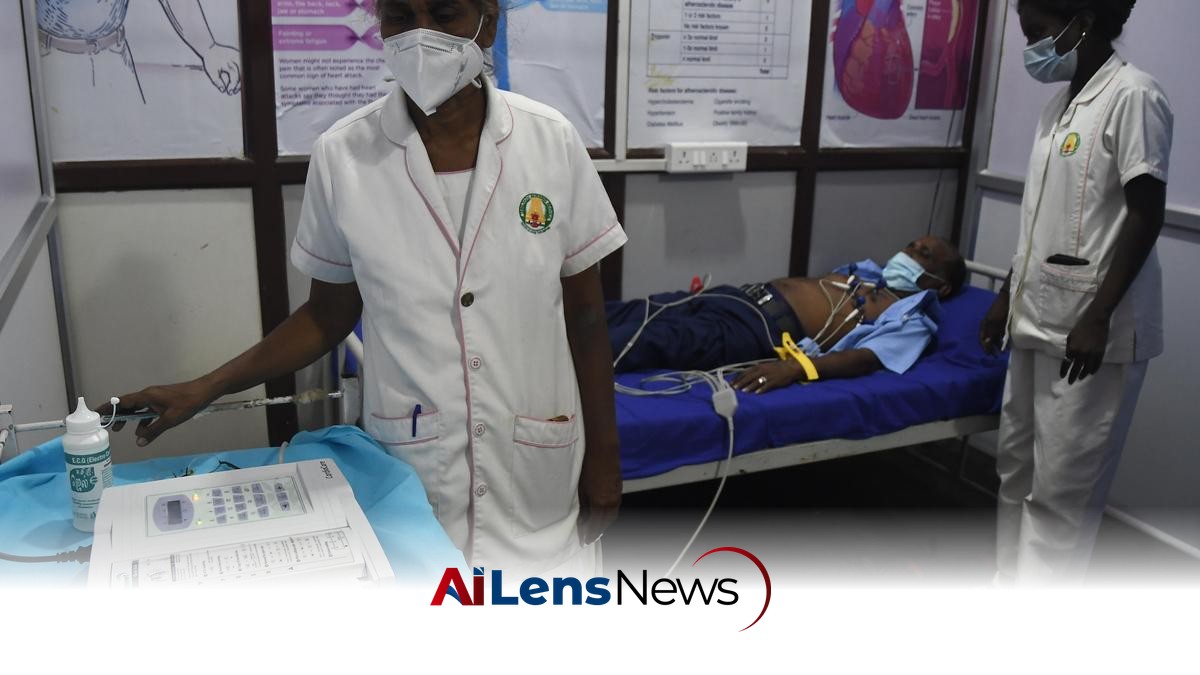
The ‘Nalam 360-Annual Free Health Check-up for All’ scheme will be introduced, allowing everyone aged 30 and above to receive 14 basic tests annually, free of charge, across 1,257 government health facilities in the state. These tests will include blood pressure, ECG, haemoglobin, complete haemogram, random blood sugar, urea, creatinine, total cholesterol, serum bilirubin, urine albumin, and VIA screening. This initiative is expected to promote preventive healthcare, enabling early detection of health issues and reducing the burden on healthcare facilities by addressing potential health problems before they escalate.
For the first time, the Health Department will introduce Home Based Diagnostic Services, which will offer sample collection and testing services in metropolitan areas through a public-private partnership model. This service aims to improve accessibility for individuals who may have difficulty traveling to healthcare facilities, particularly the elderly and those with mobility issues.
The department is set to develop a ‘Positive Health Policy’ aimed at promoting holistic health and wellbeing at community, family, and individual levels, complemented by the “Nalam 360” mobile application. This app will serve as a resource for citizens to track their health, access information on available services, and schedule appointments, thereby enhancing health literacy and engagement within the community.
Additionally, a new legislation titled ‘TN Institutions of State Importance in Health Care Act’ will be introduced to create institutions of state importance that provide world-class medical services. This act is expected to facilitate the establishment of specialized healthcare institutions that can offer advanced medical care and training, thus improving the overall quality of healthcare in the state.
In response to a long-standing demand, Dr. Arunraj announced the creation of 2,500 permanent posts for staff nurses. Existing contract nurses on consolidated pay will be transitioned to regular time-scale pay. Furthermore, a total of 1,695 nursing posts on consolidated pay will be established at a cost of ₹42.72 crore. This move is likely to enhance job security for nursing professionals and improve the quality of nursing care provided in healthcare facilities.
The government plans to recruit 3,594 medical staff across 24 categories, including pharmacists, nursing assistants, village health nurses, and ophthalmic assistants, through the Medical Services Recruitment Board. Additionally, 284 temporary super speciality posts across 25 specialities, such as neurology, cardiology, and nephrology, will be created on time-scale pay to enhance advanced medical care at the district level. These posts will accommodate doctors completing their post-graduation each year, who are posted in government hospitals under bond conditions. This recruitment initiative aims to address the staffing shortages in the healthcare sector, ensuring that hospitals are adequately equipped to handle patient needs.
Numerous announcements regarding infrastructural development, including new hospital buildings and medical equipment, were also made. The focus on infrastructure is crucial as it directly impacts the quality of care that can be provided. Improved facilities and modern medical equipment can lead to better patient outcomes and increased efficiency in healthcare delivery.
Overall, these comprehensive announcements reflect a significant shift in the government’s approach to healthcare, emphasizing accessibility, quality, and preventive measures. The implementation of these initiatives will require careful planning, adequate funding, and ongoing evaluation to ensure that they meet the needs of the population effectively. As the government moves forward with these plans, the implications for public health in the region could be profound, potentially setting a benchmark for healthcare policies in other states.
To learn more about the latest developments in Health News, stay updated with our exclusive reports and analyses on AILensNews.

