

More
Checking your session
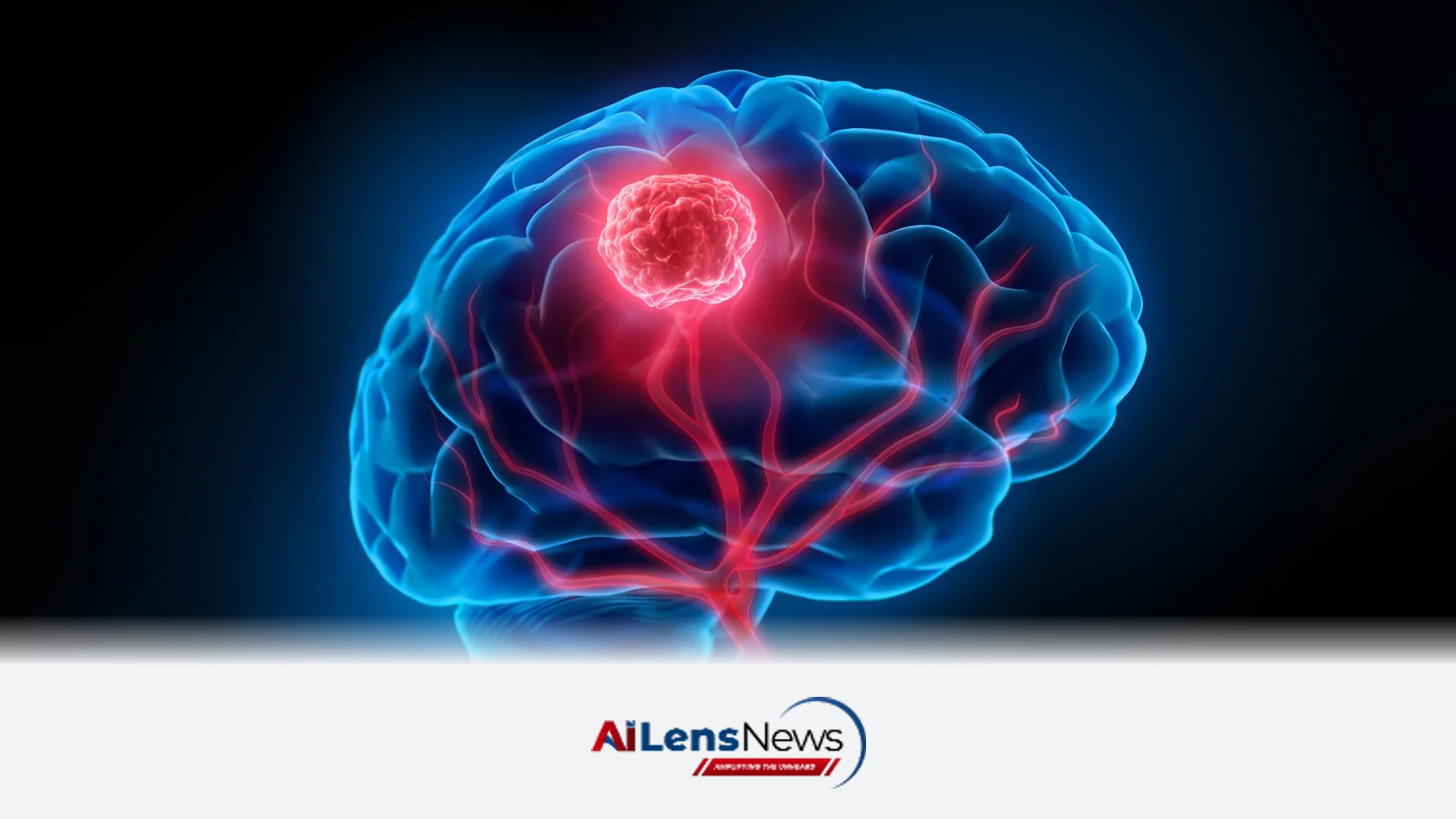



Researchers have developed smart nanoparticles that enhance the visibility of glioblastoma cells during surgery and effectively destroy residual cancer cells, showing promising results in mice.
New Delhi, India Aug 27, 2026 ALN: Glioblastoma is considered the most aggressive type of brain cancer.
One reason it is so difficult to treat is that cancer cells spread into nearby brain tissue. That makes complete surgical removal extremely challenging because surgeons must avoid damaging vital areas of the brain. The blood-brain barrier creates another obstacle by restricting how effectively drugs and radiotherapy can reach the tumor. Together, these challenges help explain why the five-year survival rate is only about 7 percent.
A Two-Function Nanoparticle Platform
Researchers at the University of Technology Sydney (UTS), Harvard, and Henan universities have developed a 'double-punch' nanozyme platform that aims to tackle both problems using a single system of smart nanoparticles. The findings were published in Science Translational Medicine.
"We've engineered a single material that does two jobs in sequence," said Dr. Bingyang Shi, Chair Professor of nanomedicine from the School of Electrical, Mechanical and Biomedical Engineering at UTS. "It's a precise guide for the surgeon during the operation, and then a targeted clean-up treatment afterward."
At the center of the system is an extremely thin, two-dimensional sheet covered with individual atoms that are placed one at a time using a method adapted from semiconductor manufacturing. This structure allows the material to switch between two roles. It can help image cancer during surgery and then perform phototherapy after the operation. Both functions are activated using the same near-infrared light.
Making Tiny Brain Tumor Clusters Visible
"During surgery, it functions as a highly sensitive imaging agent," said Professor Shi. "A fluorescent dye engineered onto the sheet glows under a near-infrared wavelength invisible to the naked eye, allowing surgeons to see individual tumor cell clusters as small as 44 micrometers, a resolution beyond current clinical imaging tools. A targeting molecule attached to the material also helps it cross the blood-brain barrier and accumulate specifically in glioma cells.
Once surgeons have removed the tumor they can see, the material can be used again inside the surgical cavity and activated by the same wavelength of light.
"After the visible tumor is removed, the same material is administered into the surgical cavity and reactivated with the same wavelength of light for postoperative phototherapy," he said. "The platinum atoms convert the tumor's own hydrogen peroxide into oxygen, counteracting the low-oxygen environment that normally shields cancer cells from treatment, while the light simultaneously generates heat and reactive molecules that destroy microscopic cancer cells that surgery could not reach."
Targeting Cancer Left Behind After Surgery
The treatment is designed to address a major problem in glioblastoma: microscopic cancer cells can remain in the brain even after the visible tumor has been removed. Those surviving cells can later fuel tumor recurrence.
In mouse models of glioblastoma, the nanoparticle approach reduced tumor recurrence following surgery. Every treated mouse was still alive at 60 days, compared with a survival of 42 days among mice that received surgery alone. Follow-up testing also found no detectable neurological or motor impairments associated with the treatment.
Promising Results, but Still Early Research
Despite the encouraging results, the researchers emphasize that the technology has so far been tested only in animals.
"The results are very encouraging, but this is still early-stage research carried out in mouse models, not in people - and that distinction is important," said Professor Shi. "Its imaging and therapeutic performance will also need to be confirmed at the scale of a human brain.
"If this continues to hold up through that process, the hope is that surgeons could one day see more of the tumor during an operation and treat more of what's left behind afterward. It's a meaningful step towards reducing recurrence, which remains one of the biggest challenges for people with glioblastoma."
To learn more about the latest developments in Medical Innovations, stay updated with our exclusive reports and analyses on AILensNews.

Recent research reveals that experimental light-activated eye drops have success…

A groundbreaking study reveals that a single gene editing treatment can reduce b…
Researchers have developed a method to enhance natural killer cells, enabling th…

Researchers have identified a crucial genetic 'switch' that activates human gene…
A decades-old compound, TOFA, has been found to increase energy expenditure and …