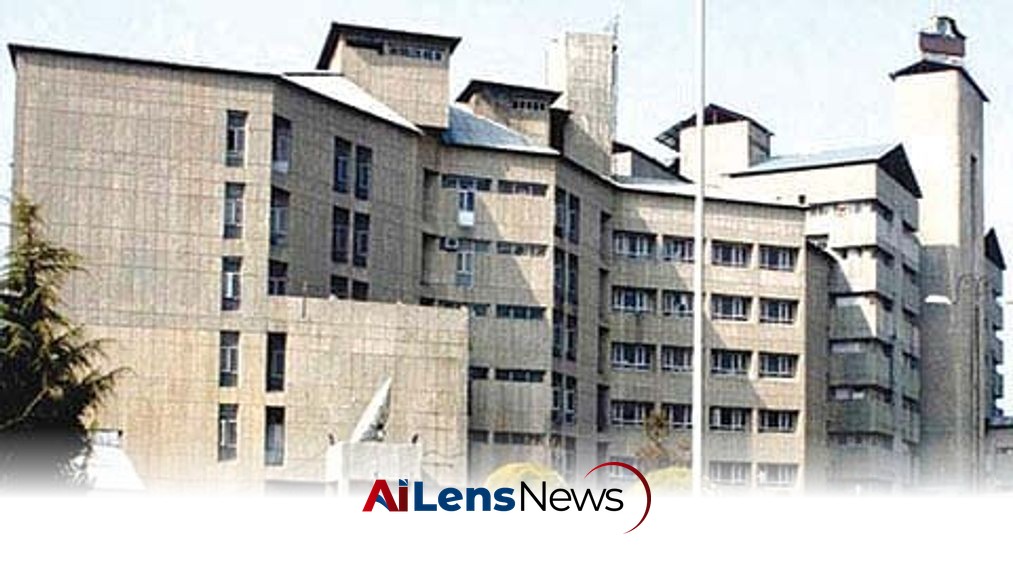


Sher-i-Kashmir Institute of Medical Sciences is operating with over 44% of its faculty positions vacant, raising concerns about healthcare quality and patient care.
New Delhi, India Jul 14, 2026 ALN: Sher-i-Kashmir Institute of Medical Sciences (SKIMS), the premier tertiary care hospital in Jammu and Kashmir, is currently grappling with a significant faculty shortage that is severely impacting healthcare delivery. Operating with just over half of its sanctioned faculty strength, the chronic and gross shortage of medical professionals raises serious concerns about the long-term implications for patient care, medical education, and research within the institution.
Documents acquired through the Right to Information (RTI) Act indicate that as of September 15, 2025, SKIMS has 128 vacant faculty and consultant posts out of a total of 294 sanctioned positions. This translates to only 166 posts being filled, resulting in a staggering 44 percent vacancy rate that has persisted for several years. The RTI was filed by activist MM Shuja, who has been vocal about the pressing issues within the healthcare system.
The staffing crisis at SKIMS is not confined to faculty alone; it extends to paramedical staff as well. Of the 1,493 sanctioned paramedical positions, only 730 are currently filled. This leaves 763 positions vacant, which constitutes more than half of the total sanctioned strength. The sanctioned numbers were established based on the estimated staff requirements from decades ago, yet the current demand far exceeds these outdated figures, according to health experts who have analyzed the patient load at the hospital.
As the patient numbers continue to rise, SKIMS serves not only the local population of Kashmir but also accepts referrals from Jammu and Ladakh. Furthermore, it acts as a critical healthcare provider for tourists and workers from other states visiting the region. This increasing patient influx exacerbates the already strained resources at the hospital, leading to longer waiting times and limited access to specialist services.
The ongoing manpower shortages in tertiary-care hospitals like SKIMS have a domino effect throughout the healthcare system, experts warn. The increased workloads for existing consultants, resident doctors, and nursing staff can lead to burnout and decreased quality of care. Patients are experiencing longer waiting periods for specialist consultations and surgeries, while the expansion of super-specialty services has become increasingly difficult due to the lack of available staff.
Earlier this year, the Jammu and Kashmir government acknowledged the rising outpatient department (OPD) and inpatient department (IPD) loads at SKIMS and the detrimental effects of the staffing shortages. During an Assembly session, government officials recognized that the shortage of doctors, nurses, and other healthcare workers presents a significant operational challenge. In response, the government stated that they are actively engaging with recruitment agencies and have introduced new recruitment rules aimed at facilitating appointments and promotions within the healthcare sector.
Healthcare professionals at SKIMS have expressed their concerns about the overwhelming burden placed on the existing faculty, resident doctors, and nursing staff. One resident doctor noted, "We are managing significantly higher patient loads than what the sanctioned norms dictate. A simple observation of our OPD and emergency areas reveals the current state of healthcare delivery at the Institute." The doctor further highlighted that due to the persistent faculty vacancies, the teaching responsibilities and clinical supervision tasks have also increased for the available consultants, further straining their capacity to provide quality education and patient care.
The nursing staff is facing a similar crisis, with the Institute repeatedly flagging the urgent need for additional personnel. SKIMS Director Prof. Mohammad Ashraf Ganie has publicly stated that approximately 500 nursing posts among the 1,200 sanctioned paramedical appointments are pending recruitment. Currently, the institute faces an estimated 60 percent deficiency in its nursing workforce, which compromises patient care and places additional pressure on the existing staff.
According to the RTI response from SKIMS, a significant number of faculty vacancies are still awaiting action. The document reveals that 111 faculty vacancies have been referred to the Health and Medical Education Department for recruitment through the Jammu and Kashmir Public Service Commission (JKPSC). Of these, only 68 posts have been advertised, while 43 remain unnotified, further delaying the hiring process.
In addition to the faculty shortages, the institute has referred 845 non-gazetted and Class-IV vacancies to the government for resolution. Furthermore, 403 gazetted, non-gazetted, and Class-IV posts require revival to meet the staffing needs of the hospital.
Between August 2020 and August 2025, the situation has been exacerbated by retirements and resignations, with 36 doctors retiring from SKIMS during this period. Additionally, three faculty members have resigned, and two more have applied for voluntary retirement, further depleting the already limited faculty resources.
This staffing crisis at SKIMS not only poses immediate challenges for healthcare delivery but also raises broader questions about the sustainability of medical education and research in the region. The shortage of faculty and staff may hinder the Institute's ability to train the next generation of healthcare professionals, thereby impacting the overall healthcare landscape in Jammu and Kashmir.
As the government and health authorities work to address these issues, it is crucial that they implement effective strategies to attract and retain qualified healthcare professionals. This may involve revisiting salary structures, improving working conditions, and providing incentives for healthcare workers to serve in underserved areas. Additionally, engaging with local communities and stakeholders to understand their needs and expectations can help create a more responsive healthcare system.
In conclusion, the severe faculty shortage at SKIMS is a pressing issue that demands immediate attention. The implications extend beyond the walls of the hospital, affecting the overall health of the population in Jammu and Kashmir. Addressing these challenges will require concerted efforts from government officials, healthcare administrators, and the community to ensure that adequate healthcare services are available to all residents in the region.
To learn more about the latest developments in Health News, stay updated with our exclusive reports and analyses on AiLensNews.

