

More
Checking your session
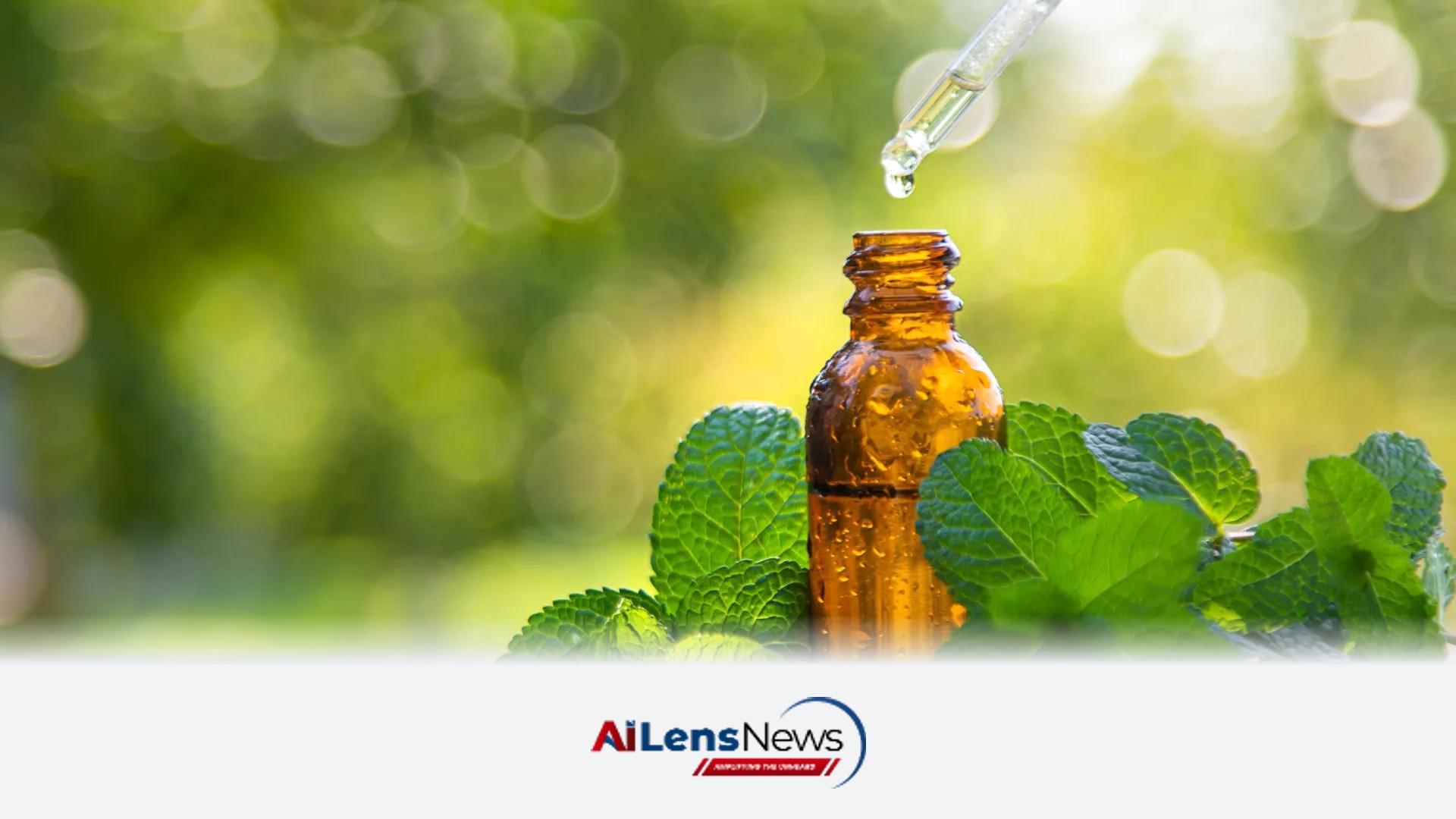



A recent study shows that peppermint oil can significantly reduce systolic blood pressure in adults with mild hypertension, offering a low-cost management option.
New Delhi, India Aug 22, 2026 ALN: Daily peppermint oil may offer a simple way to reduce mildly elevated blood pressure, according to new research. This study highlights a potential alternative to conventional hypertension treatments, which often come with a range of side effects and long-term efficacy concerns.
Researchers at the University of Lancashire found that taking 100 microliters of peppermint oil twice a day for 20 days reduced systolic blood pressure (the top number in a blood pressure reading) by an average of 8.5 mmHg. This reduction is significant, especially for individuals who experience prehypertension or stage 1 hypertension, conditions affecting a considerable portion of the adult population worldwide.
The findings, published in PLOS One, suggest peppermint oil could provide a simple, inexpensive, and well-tolerated option for people with slightly elevated blood pressure. Given the rising prevalence of hypertension globally, the potential for peppermint oil as a low-cost intervention could have far-reaching implications for public .
Lead author Dr. Jonnie Sinclair, Reader in Sport and Sciences, stated: "High blood pressure is one of the biggest causes of heart disease and death worldwide, and it costs a huge amount of money to treat. Although medicines are commonly used to treat it, it's not always clear how well they work in the long-term, and they can cause unwanted side effects." This statement underscores the urgent need for effective and accessible treatments for hypertension.
Peppermint naturally contains compounds including menthol and flavonoids, which are believed to contribute to its benefits. To investigate its possible effects, researchers enrolled 40 adults between the ages of 18 and 65 and randomly assigned them to two groups. This randomized controlled trial design is considered the gold standard in clinical research, as it helps to eliminate bias and ensures that the results are due to the intervention itself.
Participants with prehypertension or stage 1 hypertension in one group received a small daily amount of peppermint oil. The comparison group received a peppermint-flavored placebo without the active oil. Blood pressure improved in the peppermint oil group, while the placebo group showed no meaningful change. This finding suggests that the active components in peppermint oil may have a direct impact on blood pressure regulation.
Although systolic blood pressure was the main focus, the researchers also examined several other measures. These included body measurements, blood test results, diastolic blood pressure (the bottom number in a blood pressure reading), heart rate, mental well-being, and sleep quality. Such comprehensive tracking allows for a more holistic understanding of how peppermint oil might affect overall beyond just blood pressure.
Dr. Sinclair added: "Our findings were very positive and they have significant clinical implications, especially given arterial hypertension is the most common preventable risk factor for cardiometabolic disease and the greatest single risk factor for global mortality. This highlights the importance of finding effective, low-cost interventions that can be easily incorporated into daily routines."
Furthermore, the implications of this research extend beyond individual . Hypertension is often referred to as a silent killer because it frequently presents without symptoms, leading many individuals to be unaware of their condition. By providing a simple and accessible treatment option, peppermint oil could significantly improve public outcomes, particularly in low-income communities where access to pharmaceuticals may be limited.
"Peppermint oil is low in calories and price so it's proved to be a very simple and cost-effective solution to potentially treat millions of people around the world," Dr. Sinclair concluded. This affordability makes peppermint oil an appealing alternative for those who may be hesitant to rely solely on conventional medications, which can be costly and may require ongoing prescriptions.
As with any treatment, it is essential for individuals to consult with care professionals before making changes to their regimen, especially for those with existing conditions or those already on blood pressure medications. Future studies may also explore the long-term effects of peppermint oil on blood pressure and its potential interactions with other medications.
In summary, the research conducted by the University of Lancashire opens up new avenues for the management of hypertension through natural remedies like peppermint oil. As the global burden of hypertension continues to rise, the exploration of alternative treatment options could play a crucial role in improving outcomes and reducing care costs associated with cardiovascular diseases.
To learn more about the latest developments in Diseases & Conditions, stay updated with our exclusive reports and analyses on AILensNews.
Research indicates that curcumin, a compound in turmeric, may protect blood vess…

Experts warn that backyard bird feeders could exacerbate the spread of H5N1 in A…

A study shows that common medications can alter the gut microbiome for years aft…

A hormone known for appetite suppression may also shield the liver from inflamma…

Researchers at ETH Zurich have developed 'Compound 10,' which may slow Alzheimer…