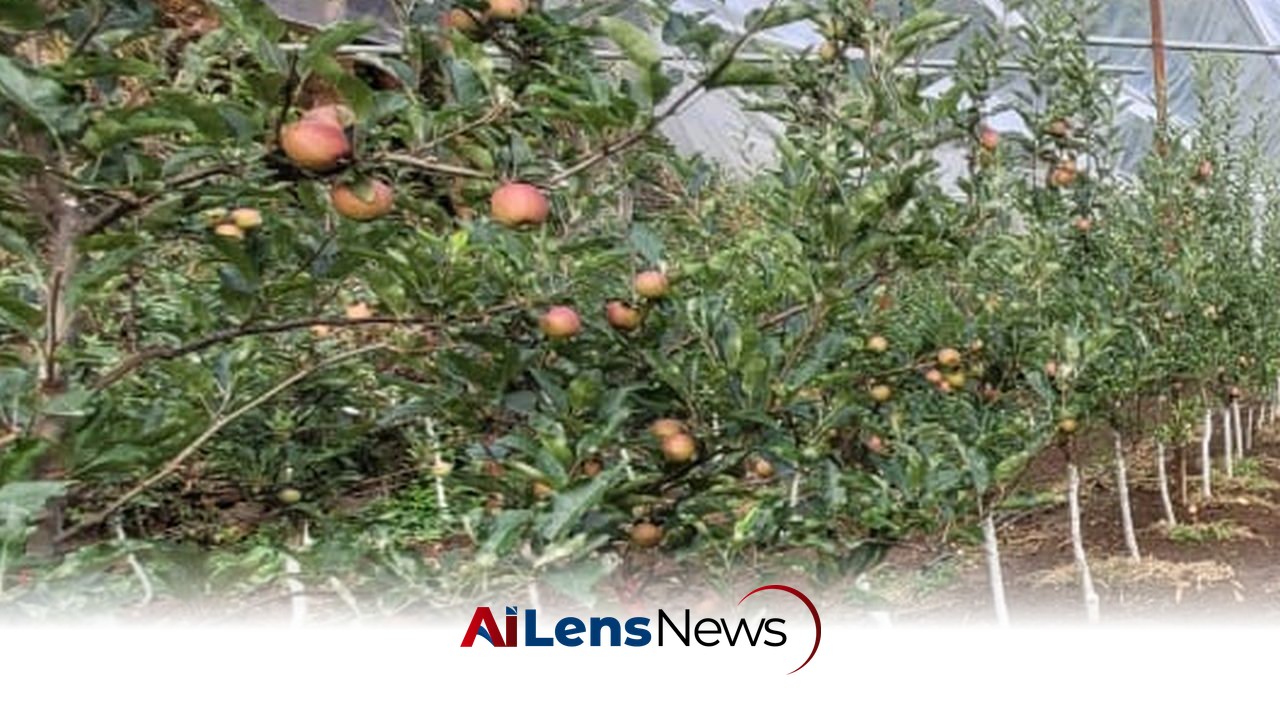


Scientists from Nauni University are conducting field visits in Himachal Pradesh to help orchardists manage diseases affecting apple crops.
New Delhi, India Jul 24, 2026 ALN: Solan: Scientists from Dr. Y.S. Parmar University of Horticulture and Forestry (UHF), Nauni, have been conducting extensive field visits and awareness campaigns across Himachal Pradesh’s major apple-growing regions to help orchardists scientifically manage Alternaria leaf spot, Marssonina leaf blotch, apple scab, and other emerging diseases affecting apple crops. The awareness and advisory drive, which began on July 8, has been carried out in collaboration with officials from the Department of Horticulture.
The apple industry is a vital component of Himachal Pradesh's economy, contributing significantly to the livelihoods of farmers in the region. The state is known for its high-quality apple production, with varieties such as Red Delicious, Golden Delicious, and Royal Delicious being particularly popular. However, the sector faces numerous challenges, including climate change, pest infestations, and various plant diseases that threaten crop yields. The proactive measures taken by the scientists at UHF reflect a growing recognition of the need for sustainable agricultural practices and the importance of scientific intervention in managing these challenges.
Over the past two weeks, scientific teams have visited orchards, assessed disease incidence, examined leaf samples, and interacted directly with growers to provide location-specific recommendations. During the field inspections, scientists detected Alternaria leaf spot and Marssonina leaf blotch in some orchards, though the severity remained low. These diseases can significantly impact apple quality and yield if not managed properly. The teams also addressed farmers’ concerns regarding root rot, collar rot, yellowing of foliage, wilting, and bark decay, recommending improved field drainage, prevention of water stagnation, and adoption of prescribed management practices.
The field visits also highlighted several gaps in orchard management. Scientists observed that only a limited number of orchardists had conducted soil and leaf testing, with most fertiliser applications still based on traditional practices rather than scientific recommendations. This has resulted in nutrient imbalances in several orchards. In many cases, excessive use of phosphatic fertilisers appeared to have induced zinc deficiency. Such nutrient deficiencies can lead to poor plant health, making trees more susceptible to diseases and pests. The teams also found that indiscriminate use of nutrient sprays, particularly when mixed with pesticides without technical guidance, was reducing spray effectiveness and, in some cases, increasing the risk of phytotoxicity, which can damage plant tissues and reduce crop yields.
Scientists further noted that many growers were not following the University’s recommended fungicide spray schedule and were relying heavily on advice from agrochemical retailers while planning plant protection measures. This reliance on unverified advice can lead to ineffective disease management strategies. In several orchards, growers were unable to distinguish fungal diseases from damage caused by insects or mites, leading to the unnecessary use of insecticides and miticides instead of fungicides. This not only wastes resources but can also exacerbate pest issues in the long run.
During interactions, some orchardists expressed concerns that fungicides recommended by the University were not providing effective disease control. However, university pathologists explained that in many cases the infection was confined to the leaf petiole rather than the leaf blade, resulting in inadequate spray coverage. They clarified that the issue was related to spray application techniques and coverage rather than the effectiveness of the recommended fungicides. This highlights the importance of proper application methods in ensuring the success of plant protection measures. Scientists also observed that in several orchards, fungicide spray intervals had exceeded the recommended 20-day schedule, contributing to disease spread. This underscores the need for farmers to adhere strictly to the guidelines provided by experts to mitigate disease risks effectively.
The University has advised orchardists to adopt an integrated disease management approach that combines cultural, biological, and chemical methods. This holistic approach not only addresses current disease issues but also promotes long-term sustainability by enhancing the overall health of the orchard ecosystem. Farmers have been urged to regularly monitor orchards for disease symptoms, remove weeds, infected leaves, and leaf litter to improve orchard sanitation, and promote decomposition of fallen infected leaves using a five percent urea solution. Scientific pruning and canopy management have also been recommended to improve aeration and light penetration while ensuring timely management of root diseases, cankers, and insect-pest infestations.
Scientists have also emphasised the importance of scientific nutrient management through soil and leaf testing. Farmers have been encouraged to submit leaf samples for analysis between mid-July and mid-August and soil samples after harvest to enable site-specific fertiliser recommendations and balanced nutrient application. These practices can help farmers optimize their fertilization strategies, ensuring that plants receive the nutrients they need without over-application, which can harm both the crops and the environment.
The advisory further recommends strict adherence to the University’s fungicide spray schedule and maintaining the prescribed interval between sprays. Farmers have been cautioned against indiscriminately mixing fungicides with pesticides, micronutrients, growth regulators, or plant hormones unless specifically recommended, as such combinations may lead to phytotoxicity, fruit russeting, and reduced effectiveness of plant protection measures. Orchardists have also been advised to purchase pesticides only from authorised and licensed dealers and use products recommended by the University and the Department of Horticulture. This ensures that farmers are using safe and effective products that have been tested and approved for their specific applications.
For preventive disease management, the University has recommended protective sprays of Metiram @ 600 grams per 200 litres of water or Ziram @ 500 grams per 200 litres of water. Under conditions of high disease pressure, growers have been advised to use recommended combination fungicides such as Lustre 5% SE, Cabrio Top 60 WG, Shamir, Kohicap Plus, Avtaar, Merivon, or LUNA Experience in the prescribed dosages, using these products alternately while avoiding unnecessary tank mixtures with other agrochemicals. The careful selection and application of fungicides are crucial in managing disease effectively while minimizing the risk of resistance development in fungal populations.
The University has also invited growers to seek expert guidance by sending photographs of disease symptoms and their queries via email to [email protected], enabling scientists to provide timely technical advice for effective disease management and healthier apple orchards. This initiative not only supports farmers in real-time but also fosters a collaborative approach to agricultural education and disease management, empowering growers to take charge of their farming practices.
In summary, the advisory issued by the scientists at Nauni University serves as a crucial resource for apple growers in Himachal Pradesh. By emphasizing the importance of scientific management practices, the advisory aims to enhance the resilience of apple orchards against diseases and pests, ultimately contributing to the sustainability and profitability of the apple industry in the region. Through continued education and support, the University seeks to foster a community of informed growers who can effectively navigate the challenges of modern apple cultivation.
To learn more about the latest developments in Health News, stay updated with our exclusive reports and analyses on AiLensNews.

