

More
Checking your session
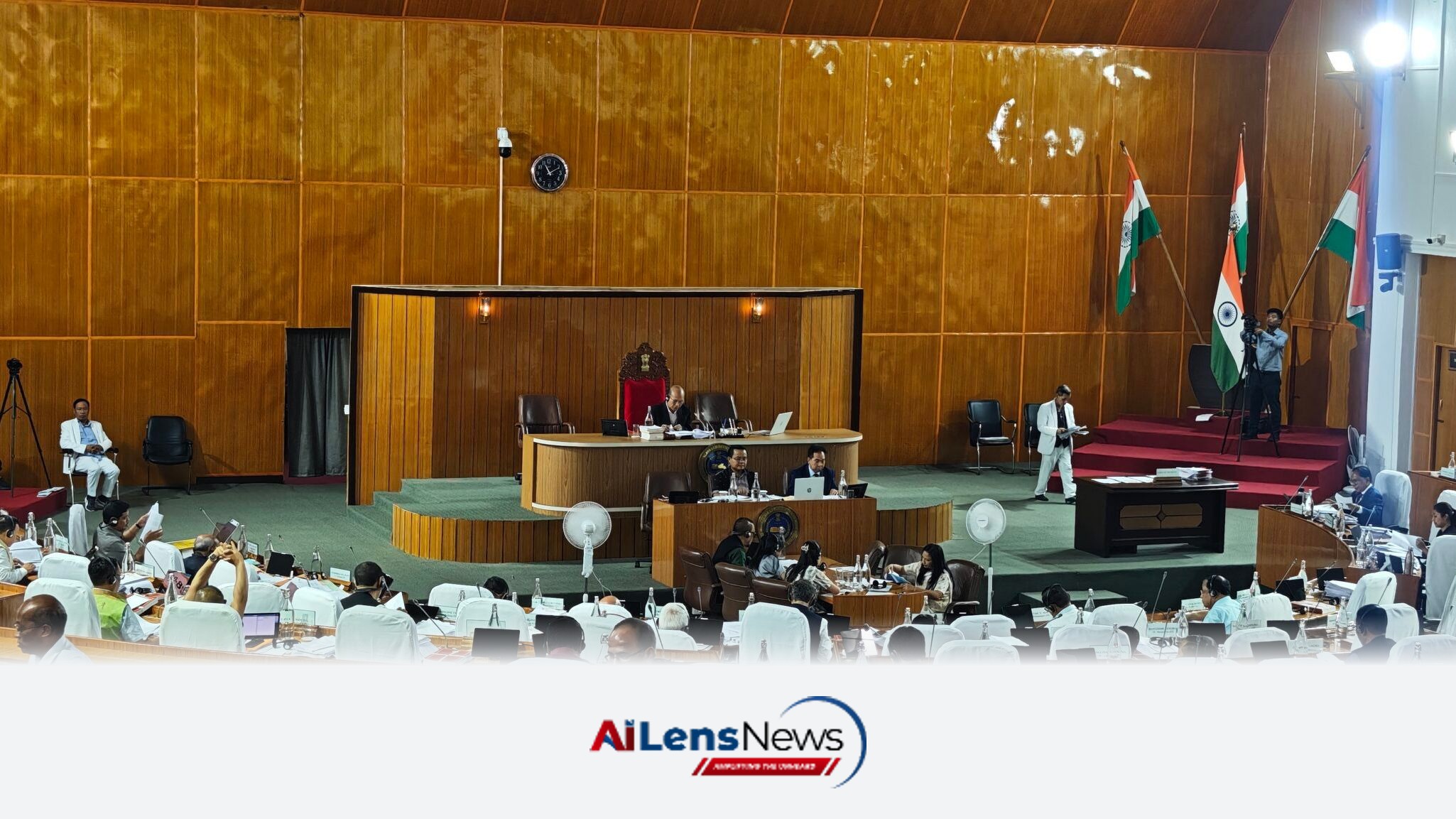



Health Minister Wailadmiki Shylla acknowledges a significant shortage of specialists in and pledges to send medical officers to underserved PHCs.
Shillong, India Aug 28, 2026 ALN: Health Minister Wailadmiki Shylla has acknowledged a ‘huge shortage’ of specialists within the state, promising that medical officers will be dispatched to three Primary Health Centres (PHCs) currently lacking doctors. This admission comes amid growing concerns regarding the accessibility and quality of healthcare services in the region, particularly in rural areas where medical facilities are often under-resourced.
In response to questions posed by MLAs Celestine Lyngdoh and Sengchim Sangma, Shylla revealed that despite recent recruitment efforts, many medical doctors have failed to report to the three PHCs in question. This situation reflects a broader issue within the healthcare system, as the recruitment and retention of medical professionals in remote areas have historically been challenging. Factors contributing to this trend may include inadequate infrastructure, lack of amenities, and limited professional growth opportunities in these locations.
“There is a huge shortage of specialists in the state, even though numerous recruitment drives have been initiated,” Shylla stated. This shortage is particularly concerning given the increasing demand for healthcare services, exacerbated by the COVID-19 pandemic, which has placed additional strain on an already overburdened healthcare system. The pandemic has highlighted the critical need for a robust healthcare workforce capable of responding to public health emergencies while providing routine care.
Addressing supplementary inquiries, he cited data from the National Family Health Survey-6 Cycle, which indicates that institutional delivery rates stand at 65.6%. However, he noted that this figure has improved to 81% currently. While this improvement is a positive development, it underscores the ongoing need for enhancements in maternal and child health services, as well as the importance of ensuring that healthcare facilities are adequately staffed to meet the needs of the population.
Health Cards and Insurance Issues
Phulbari MLA Mizanur Rahman Kazi raised concerns regarding the Health Insurance Scheme (MHIS) payments, specifically the challenges faced by patients when dealing with empanelled hospitals outside the state. Kazi pointed out that many private institutions in Assam are not honoring the MHIS, forcing patients to pay additional cash under the table for reimbursements. This situation raises questions about the effectiveness and reliability of the health insurance system in providing financial protection to patients, especially those who may already be facing economic hardships.
The issues surrounding the MHIS are indicative of broader systemic challenges within the healthcare landscape. Patients often find themselves navigating a complex web of regulations and institutional practices that can hinder their access to necessary medical services. The lack of coordination between state health schemes and private healthcare providers can lead to significant disparities in patient experiences and outcomes.
Shylla's remarks highlight the ongoing challenges in the healthcare system of , emphasizing the need for immediate action to address the shortage of medical professionals and improve patient care. The state government may need to consider implementing incentives to attract and retain healthcare workers in underserved areas, such as offering competitive salaries, housing allowances, and opportunities for professional development.
Furthermore, addressing the issues related to health insurance will require a comprehensive review of the existing policies and practices. Stakeholders, including government officials, healthcare providers, and patient advocacy groups, must collaborate to create a more transparent and efficient system that ensures patients can access the care they need without facing undue financial burdens.
In conclusion, the challenges faced by the healthcare system in are multifaceted and require a coordinated response from all levels of government and the community. As the Health Minister continues to address these pressing issues, it is crucial for all stakeholders to remain engaged in the conversation, advocating for reforms that will ultimately lead to improved health outcomes for the residents of the state. The commitment to enhancing healthcare services is not just a matter of policy but a vital necessity for the well-being of the population, particularly in a post-pandemic world where health equity must be prioritized.
To learn more about the latest developments in Health News, stay updated with our exclusive reports and analyses on AILensNews.

The Food Safety Department has conducted 3,726 inspections over the past three y…

Chief Minister Conrad Sangma announces Meghalaya's transition towards becoming I…
The detection of 38 HIV-positive inmates at Guwahati Central Jail raises questio…

During the Autumn Assembly session, TMC raised issues regarding child nutrition …

The Meghalaya Commissionerate of Food Safety has swiftly revoked the ban on Stin…