

More
Checking your session
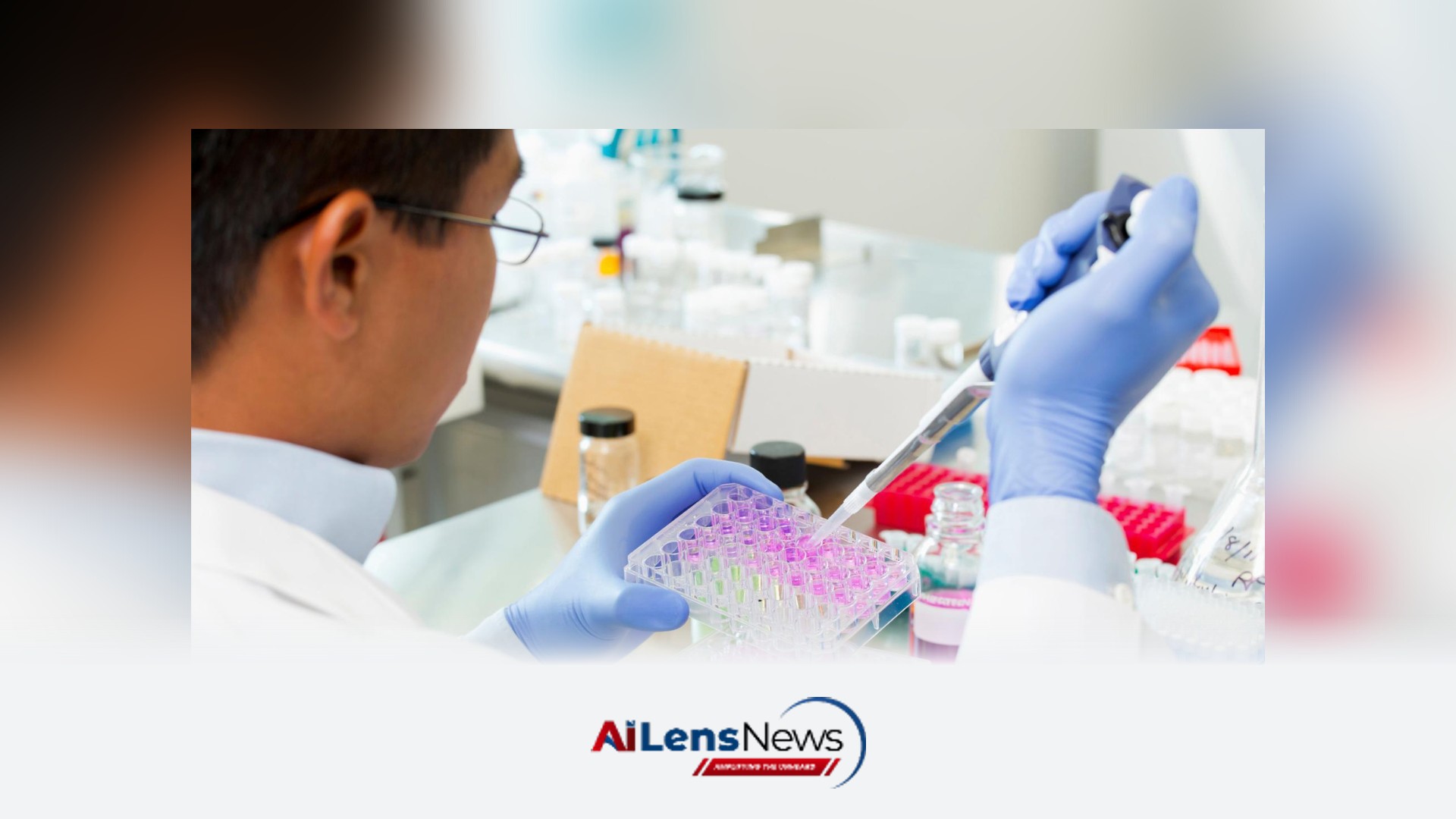



Scientists in Assam have developed a groundbreaking 'smart' cancer drug that activates in cancerous conditions, promising targeted treatment with minimal side effects.
Imphal, India Aug 22, 2026 ALN: Guwahati: Scientists from two leading research institutions in Assam have developed a promising “smart” cancer drug that can switch itself on in the presence of conditions commonly found inside cancer cells, potentially offering a more targeted approach than conventional chemotherapy, which can also damage healthy cells.
The research was jointly led by Dr. Asis Bala of the Institute of Advanced Study in Science and Technology (IASST), Guwahati, and Dr. Krishna P. Bhabak of IIT-Guwahati, along with researchers Rahul Kesarwani, Nikita Pal, and Dorothy Das. This collaboration highlights the growing trend in cancer research to combine expertise from different scientific disciplines to tackle complex medical challenges.
The study, titled “Rational Development of Activatable Prodrugs of the GSTP1 Inhibitor NBDHEX: Turn-On NIR Fluorogenic Drug Delivery with Selective Anticancer Activity,” was published in the Journal of Medicinal Chemistry, a reputable peer-reviewed journal. The publication of this research signifies a significant step forward in the field of medicinal chemistry and cancer therapeutics.
The drug candidate, RK-251, is a reactive oxygen species (ROS)-responsive “prodrug” designed to deliver NBDHEX, a potent inhibitor of the cancer-associated protein GSTP1. Prodrugs are pharmacologically inactive compounds that become active only after undergoing metabolic conversion within the body, making them an appealing option for targeted therapy.
Unlike conventional chemotherapy drugs that circulate through the body and can affect healthy as well as cancerous cells, RK-251 is designed to remain inactive until it encounters elevated levels of reactive oxygen species (ROS) — molecules that are often present at higher levels in cancer cells. This specificity is crucial as it minimizes collateral damage to healthy cells, a common side effect of traditional chemotherapy treatments.
Once activated, RK-251 rapidly releases NBDHEX and simultaneously produces a near-infrared (NIR) fluorescence signal, effectively providing a “turn-on” indication that the drug has been activated. This dual functionality not only enhances the drug's therapeutic efficacy but also allows for real-time monitoring of its activation in the body, which could be invaluable in clinical settings.
The researchers used a specially designed dual positively charged NIR fluorophore, QCy7, to create the prodrug. The incorporation of this fluorophore is a significant advancement as it could allow researchers to track drug activation while delivering the anticancer compound. The ability to visualize drug activity in real time could lead to more personalized treatment strategies for cancer patients.
Strong activity against aggressive breast cancer
Laboratory experiments found that RK-251 showed potent anticancer activity against MDA-MB-231 cells, a widely used model of triple-negative breast cancer, while showing greater selectivity towards cancer cells than non-malignant cells. Triple-negative breast cancer is known for its aggressive nature and lack of targeted therapies, making the development of effective treatments a critical area of research.
The drug works by releasing NBDHEX, which inhibits glutathione-S-transferase pi (GSTP1). This protein is overexpressed in many cancer cells and can help them neutralize certain anticancer drugs and survive treatment. By targeting GSTP1, RK-251 may overcome one of the significant mechanisms of drug resistance that complicates cancer treatment.
The researchers also observed changes in key cancer-marker genes following treatment with RK-251, providing further evidence of its anticancer activity. Changes in gene expression can offer insights into the drug’s mechanism of action and its potential efficacy in different cancer types.
The compound was subsequently tested in developing zebrafish embryos, where ROS-triggered activation produced the expected red fluorescence. Importantly, the embryos showed no noticeable abnormalities or acute toxicity during the study, suggesting that RK-251 could have a favorable safety profile. The use of zebrafish as a model organism is particularly advantageous due to their transparency during early development, allowing for easy observation of drug effects.
The findings suggest that RK-251 could potentially combine targeted drug delivery with real-time fluorescence tracking, although much more research will be needed before the approach can be considered for human treatment. The pathway from preclinical studies to clinical application is complex and requires rigorous testing for safety and efficacy.
For Assam, the research is notable for bringing together scientists from IASST and IIT-Guwahati to develop a drug-delivery approach aimed at one of the major challenges in cancer treatment: targeting tumor cells while limiting damage to healthy tissue. This collaboration not only exemplifies the potential of regional institutions in contributing to global health challenges but also underscores the importance of fostering scientific partnerships to innovate in drug development.
As cancer remains one of the leading causes of death worldwide, advancements like RK-251 offer hope for more effective and less harmful treatment options. The implications of this research extend beyond Assam, potentially influencing cancer treatment protocols on a global scale. If successful, such targeted therapies could revolutionize the way cancer is treated, improving outcomes for patients and reducing the burden of side effects associated with traditional chemotherapy.
To learn more about the latest developments in Medical Innovations, stay updated with our exclusive reports and analyses on AILensNews.

The Regional Institute of Paramedical and Nursing Sciences in Aizawl hosted a th…

Officials from Kolasib and Serchhip districts in Mizoram convened to discuss a d…

A tripartite MoU between NIMHANS, CIP, and LGBRIMH aims to improve mental health…
Demow CHC and Model Hospital marks a significant achievement by treating its 4,0…

Explore the importance of health insurance with cancer cover, its benefits, and …