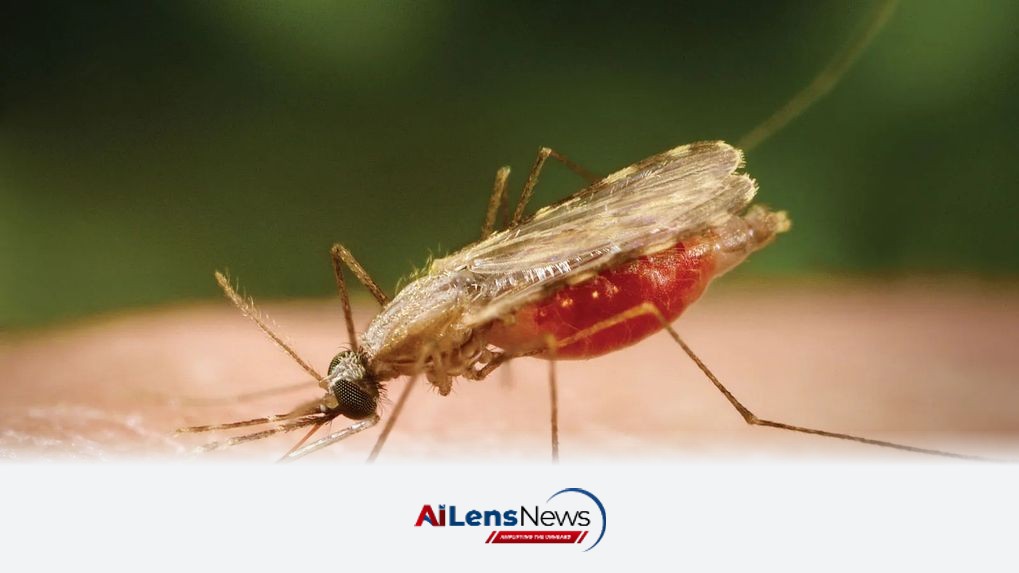



India has reported a substantial decline in malaria and achieved elimination of Kala Azar ahead of the 2030 target, according to the Health Ministry's latest report.
Leh, India Aug 23, 2026 ALN: India has made significant progress towards eliminating major vector-borne diseases, with the Health Ministry reporting substantial declines in malaria and sustained gains in controlling Kala Azar and lymphatic filariasis. These diseases pose considerable public health challenges, particularly in tropical regions, and their effective management is essential for improving health outcomes and achieving broader development goals.
The Ministry of Health and Family Welfare's Annual Report for 2025-26 highlights the country's ongoing commitment to addressing these health issues through the National Vector Borne Disease Control Programme (NVBDCP). This program is a crucial component of India's public health strategy, focusing on the prevention and control of vector-borne diseases by employing a multi-faceted approach that includes surveillance, treatment, and community engagement.
According to the report, India achieved the elimination threshold for Kala Azar in 2023. This milestone is defined as fewer than one case per 10,000 population and has been achieved across all 633 endemic blocks in 54 districts spread over four endemic states. The attainment of this target is particularly noteworthy as it was reached well ahead of the 2030 global Sustainable Development Goal (SDG) target. Sustaining this achievement is critical, as it indicates the effectiveness of public health interventions in managing and controlling the disease.
Kala Azar, also known as visceral leishmaniasis, is caused by the Leishmania parasite and is transmitted through the bite of infected sandflies. The disease can be fatal if left untreated and has been a significant public health concern in parts of India, particularly in Bihar, Jharkhand, West Bengal, and Uttar Pradesh. The recent successes in controlling Kala Azar demonstrate the potential for targeted health interventions to make a profound impact on disease prevalence.
In addition to Kala Azar, the report indicates that India has recorded a 78.15 percent reduction in malaria cases and a 77.60 percent decline in malaria-related deaths between 2015 and 2024. These statistics reflect the sustained efforts towards malaria elimination, which include the distribution of insecticide-treated bed nets, indoor residual spraying, and community education about prevention methods. Malaria remains a significant health issue in many parts of India, and these reductions are a positive sign of progress.
The Health Ministry further reported that 160 districts across 23 states have recorded zero indigenous malaria cases for three consecutive years since 2022. This achievement qualifies these districts for Sub-National Verification for Malaria Elimination, an important step in the country’s fight against the disease. Verification is a formal process that assesses whether a district can be considered malaria-free based on epidemiological data and health interventions.
Moreover, the World Malaria Report 2025 confirms that India officially exited the list of High Burden to High Impact (HBHI) countries in 2024. This classification was previously assigned to countries facing the highest malaria burden and highlights the progress India has made in reducing malaria incidence and mortality. The country is also on track to meet the Global Technical Strategy for Malaria 2016–2030 target, which aims for a 75 percent reduction in malaria incidence by 2025. With reductions of 70 percent or more already recorded in 2024, India is poised to meet this ambitious goal.
The report also emphasizes advancements in the elimination of Lymphatic Filariasis, for which the elimination target is a microfilaria rate of less than one percent. Lymphatic filariasis, a parasitic disease caused by filarial worms, can lead to severe disability and social stigma. The disease transmission is primarily through mosquito bites, and its management is critical for improving the quality of life for affected individuals.
During the Mass Drug Administration (MDA) campaigns in 2025, India achieved 94 percent coverage across 111 districts and 696 blocks in 13 states during the February round. The August MDA round recorded 95 percent coverage across 50 districts and 394 blocks in four states. These high coverage rates indicate improved community participation and reflect the strengthening of the country’s efforts to interrupt the transmission of lymphatic filariasis. MDA campaigns involve the distribution of antifilarial medications to entire populations in endemic areas, which is crucial for reducing the prevalence of the disease.
The Health Ministry attributes these accomplishments to the sustained implementation of various strategies, including disease surveillance, early diagnosis and treatment, vector control measures, mass drug administration, and community-level interventions under the national elimination programmes. Effective disease surveillance systems are vital for identifying outbreaks and ensuring timely responses, while community engagement plays a crucial role in educating the public about prevention and treatment options.
The implications of these achievements are significant, not only for public health in India but also for the global health community. Successful elimination of these diseases can lead to improved health outcomes, reduced healthcare costs, and enhanced productivity among affected populations. Furthermore, India’s progress serves as a model for other countries grappling with similar public health challenges, showcasing the effectiveness of coordinated efforts and the importance of sustained investment in health systems.
As India continues to advance towards its elimination goals, ongoing commitment from both governmental and non-governmental stakeholders will be essential. Continued funding, research, and community involvement will be critical to maintain the momentum gained and ensure that the gains made are not only sustained but also built upon in the years to come. The fight against vector-borne diseases is far from over, and sustained vigilance and innovation will be necessary to overcome the remaining challenges.
To learn more about the latest developments in Health News, stay updated with our exclusive reports and analyses on AILensNews.

