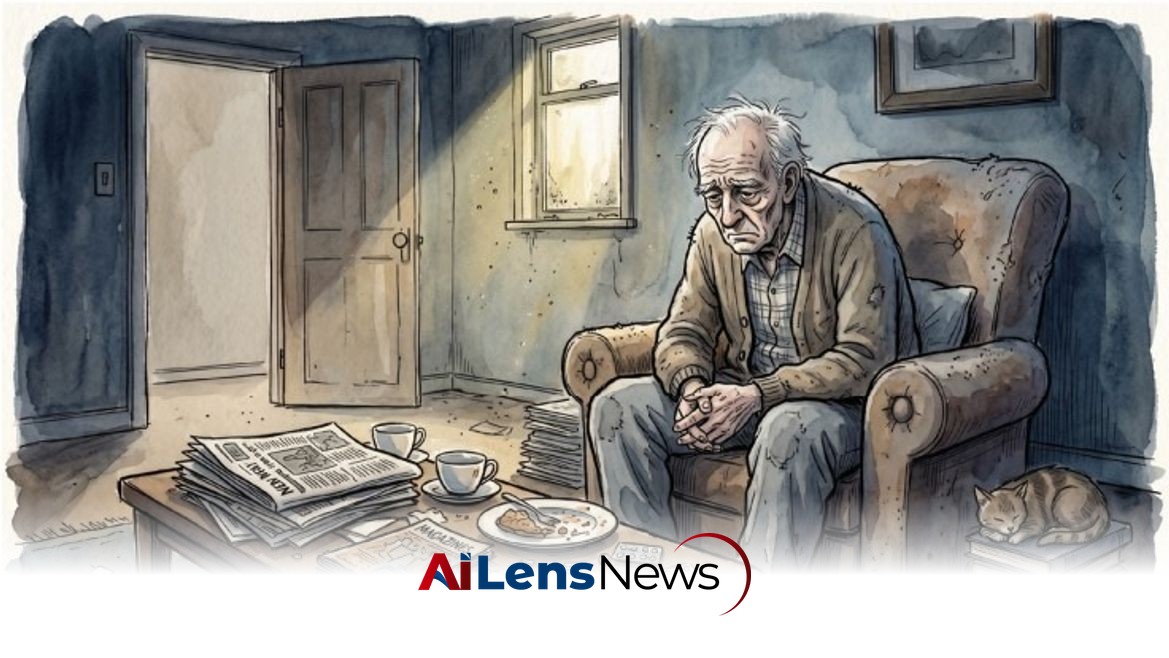


Exploring the neglect and abandonment of the elderly in modern society, this article highlights the cultural shifts and systemic failures contributing to this crisis.
Leh, India Jul 24, 2026 ALN: Old age is often viewed as an interim period between life and death, a stage that can be both fascinating and painful, rich with memories and reflections on a life lived. This phase of life is paradoxical; it evokes nostalgia for youth while simultaneously confronting the realities of mortality. Throughout history, poets and writers have captured the essence of aging, illustrating its complexities and the emotional weight that accompanies it. The experience of old age varies greatly depending on individual circumstances, societal values, and cultural contexts.
However, a troubling trend has emerged in various societies: the diminishing care and concern for the elderly by younger generations, leading to alarming instances of abandonment. This crisis did not arise overnight; rather, it has been a gradual process, building over centuries and reaching a critical point in the twentieth century. Understanding the factors that contribute to this phenomenon requires a deep dive into historical, cultural, and social dynamics.
One significant factor in this decline of care for the elderly can be traced back to the disintegration of traditional value systems, particularly those rooted in Judeo-Christian culture. As societies in the West transitioned to a more secular culture, the collective values that once bound communities began to erode. The new cultural paradigm that emerged was characterized by individualism, materialism, and a self-centered approach to life. This shift not only affected interpersonal relationships but also redefined the roles and responsibilities within families, particularly concerning the care of elderly members.
In many parts of the world, social structures remained cohesive and supportive, with families often living in close-knit arrangements that emphasized collective responsibility for both the young and the elderly. However, the forces of globalization and technological advancement have dramatically altered these dynamics. Western cultural ideals, which prioritize individual success and material wealth, have spread globally, leading to a homogenization of values that often neglects the importance of community and familial bonds.
Additionally, ideologies such as social Darwinism and certain interpretations of feminism have contributed to a dismantling of the communal structures that traditionally supported the elderly. These perspectives often promote a worldview that emphasizes competition and individual achievement over collective well-being, further exacerbating the neglect of vulnerable populations, including seniors. The impact of these ideologies can be seen in various facets of life, from the workplace to family structures, where the emphasis on personal success can lead to a disregard for the needs of others.
The aftermath of World War II marked a pivotal moment in the global recognition of human rights, leading to the establishment of the United Nations and the adoption of the Universal Declaration of Human Rights in 1948. This landmark document aimed to uphold human dignity and protect the rights of individuals worldwide. Despite its noble intentions, the implementation of these rights has often been inadequate, with many nations failing to uphold the principles enshrined in the declaration. As a result, the plight of the elderly continues to be overlooked, with governments struggling to effectively address their needs. The disconnect between legal frameworks and actual practices often leaves the elderly vulnerable, with insufficient resources allocated to their care and support.
In India, for instance, the Maintenance and Welfare of Parents and Senior Citizens Act of 2007 was introduced to protect elderly individuals from abandonment and abuse. This legislation criminalizes the neglect of senior citizens by their children or caretakers. However, despite the existence of such laws, their effectiveness is often hampered by a lack of public awareness and cultural attitudes that dismiss the importance of these protections. In Jammu and Kashmir, the central Act was adopted in 2014, aiming to provide financial support, medical care, and protection for individuals aged 60 and above. Yet, similar to the national level, these provisions often exist only on paper, with many citizens remaining unaware of their rights or indifferent to the legal frameworks intended to safeguard them. The gap between legislation and its practical application highlights the challenges faced by elderly individuals in accessing the support they are entitled to.
Addressing the crisis of elderly abandonment requires a multifaceted approach that begins with a reorientation of societal values. There is an urgent need to revive the metaphysical principles that emphasize the responsibilities of younger generations towards their elders. This can be achieved through education and community engagement, fostering a culture of respect and care for the elderly within families and society at large. It is essential to recognize that the security and well-being of older individuals are fundamentally linked to the strength of family support and communal ties. Educational initiatives can play a crucial role in instilling values of empathy and responsibility in younger generations, encouraging them to appreciate the wisdom and contributions of their elders.
In Kashmir, the cultural legacy of respecting and caring for elders remains, albeit under threat from modern societal changes. While there are still pockets of compassion and community support, these instances must be nurtured and expanded to create a more comprehensive network of care for the elderly. Local organizations, such as Muhalla committees and Masjid committees, can play a crucial role in monitoring the well-being of seniors in their communities. By acting collectively and fostering a sense of shared responsibility, these groups can effectively address issues of neglect and abandonment. Community-driven initiatives can also help bridge the gap between the elderly and the younger population, facilitating intergenerational interactions that promote understanding and support.
Ultimately, no government or legal system can fully replace the active participation of families and communities in caring for their elderly members. The sacred task of looking after the vulnerable should be seen as a collective responsibility, one that transcends individual interests and prioritizes the dignity and well-being of all members of society. As we confront the crisis of elderly abandonment, it is imperative that we reflect on our values, challenge the prevailing narratives of individualism, and commit ourselves to creating a more compassionate and inclusive society for all generations. This commitment requires a concerted effort from all sectors of society, including governments, non-profit organizations, and community groups, to ensure that the elderly are not only cared for but are also valued and respected as integral members of our communities.
To learn more about the latest developments in Mental Health, stay updated with our exclusive reports and analyses on AiLensNews.

