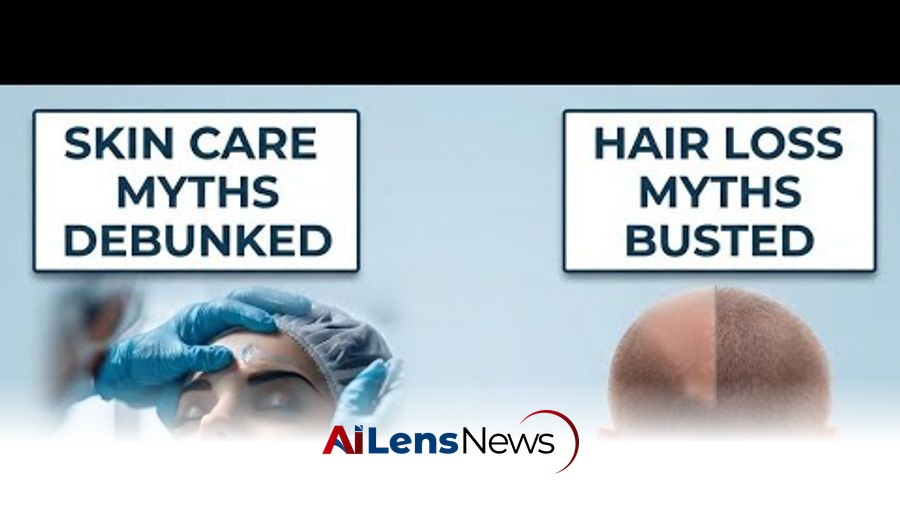


Dr. Uzair Khurshid addresses common misconceptions about hair transplants and skin care, offering expert insights on treatments and healthy practices.
New Delhi, India Jul 30, 2026 ALN: In a recent conversation with Umar Raina from Rising Kashmir, Dr. Uzair Khurshid, a renowned dermatologist and hair transplant surgeon, delves into the intricate world of skin care and hair loss treatments. This discussion aims to clarify prevalent misconceptions and provide valuable insights for individuals seeking effective solutions for their skin and hair concerns.
Hair transplants have gained popularity as a solution for hair loss, but many still harbor doubts about their effectiveness and safety. Dr. Khurshid emphasizes that hair transplants are a viable option for those experiencing significant hair thinning or baldness. He explains the procedure, which involves relocating hair follicles from a donor site to areas of thinning or no hair, ensuring a natural appearance. This process not only addresses the physical aspect of hair loss but also plays a crucial role in restoring an individual's self-esteem and confidence.
Hair loss, medically known as alopecia, can affect individuals for a variety of reasons including genetics, hormonal changes, and environmental factors. The psychological impact of hair loss can be profound, leading to decreased self-esteem and confidence. As such, hair transplants have emerged as a popular option for restoring not just hair, but also self-image. The emotional and psychological benefits of hair restoration cannot be understated, as many individuals report feeling more youthful and revitalized after undergoing the procedure.
Dr. Khurshid dispels these myths, explaining that hair transplants can be performed on younger individuals, often starting from the age of 20, if they are experiencing significant hair loss. He highlights that the procedure is not only suitable for older patients but can also be beneficial for younger ones who are facing early signs of baldness. This is particularly important in a society where appearance can significantly impact social and professional interactions. The increasing prevalence of hair loss among younger individuals has made it essential for them to explore viable options for treatment.
Furthermore, Dr. Khurshid reassures patients about the minimally invasive nature of the procedure, which typically involves a short recovery period. Modern techniques, such as Follicular Unit Extraction (FUE) and Follicular Unit Transplantation (FUT), have made the process less painful and more efficient. Patients can often return to their normal activities within a few days, contrary to the belief that they will need extensive downtime. This advancement in technology has made hair transplants more accessible and appealing to a broader audience.
In terms of permanence, Dr. Khurshid explains that while the transplanted hair is generally resistant to the balding process, it is crucial for patients to manage their overall hair health post-procedure. This may include ongoing treatments such as minoxidil or finasteride to maintain the health of existing hair and prevent further loss. These treatments help to ensure that the results of the transplant are sustained over the long term, providing patients with the most effective solution to their hair loss concerns.
Transitioning to skin care, Dr. Khurshid highlights the importance of understanding one’s skin type and the appropriate products to use. He notes that many people fall prey to marketing gimmicks, leading them to purchase products that may not be suitable for their skin. The skincare industry is rife with s that can mislead consumers, prompting them to buy products that do not address their specific needs.
The skin is the body's largest organ and serves as a barrier to protect internal organs from external threats. Different skin types—oily, dry, combination, and sensitive—require different care approaches. Dr. Khurshid emphasizes that knowing your skin type is fundamental to creating an effective skincare regimen. For instance, individuals with oily skin may benefit from lightweight, oil-free moisturizers, while those with dry skin may require thicker creams that provide more hydration. Understanding these differences is crucial in selecting the right products to avoid adverse reactions and achieve optimal skin health.
Dr. Khurshid emphasizes that a consistent and personalized skin care routine can lead to healthier skin over time. He encourages individuals to seek professional advice to create a regimen that suits their unique needs. Additionally, he points out that skin care is not a one-size-fits-all approach; it requires regular adjustments based on seasonal changes, age, and lifestyle factors. As one’s skin evolves with age and environmental influences, it becomes essential to reassess and modify skincare routines accordingly.
Moreover, Dr. Khurshid highlights the significance of diet and hydration in skin health. A balanced diet rich in antioxidants, vitamins, and minerals can enhance skin vitality. Foods high in omega-3 fatty acids, such as fish and nuts, can improve skin hydration and elasticity. Staying hydrated by drinking plenty of water also plays a crucial role in maintaining skin moisture and overall health. By incorporating nutrient-dense foods into their diet and ensuring adequate hydration, individuals can significantly improve their skin's appearance and resilience.
In conclusion, Dr. Uzair Khurshid’s insights shed light on the realities of hair transplants and skin care, debunking myths and providing practical advice. By understanding the facts and seeking professional guidance, individuals can make informed decisions about their hair and skin health. The importance of consulting with qualified professionals cannot be overstated, as they can provide tailored recommendations that consider individual circumstances, ensuring the best possible outcomes. This personalized approach is vital in achieving desired results, as it takes into account the unique characteristics and needs of each individual.
As awareness about the importance of personal grooming and self-care continues to grow, it is essential for individuals to educate themselves on the options available to them. With the right information and support, achieving healthy skin and hair is not just a possibility, but a reality for many. The journey towards better skin and hair health is an ongoing process that requires commitment and informed choices. By staying informed and proactive, individuals can navigate the complexities of skin and hair care, leading to improved self-confidence and overall well-being.
To learn more about the latest developments in Wellness & Lifestyle, stay updated with our exclusive reports and analyses on AiLensNews.

