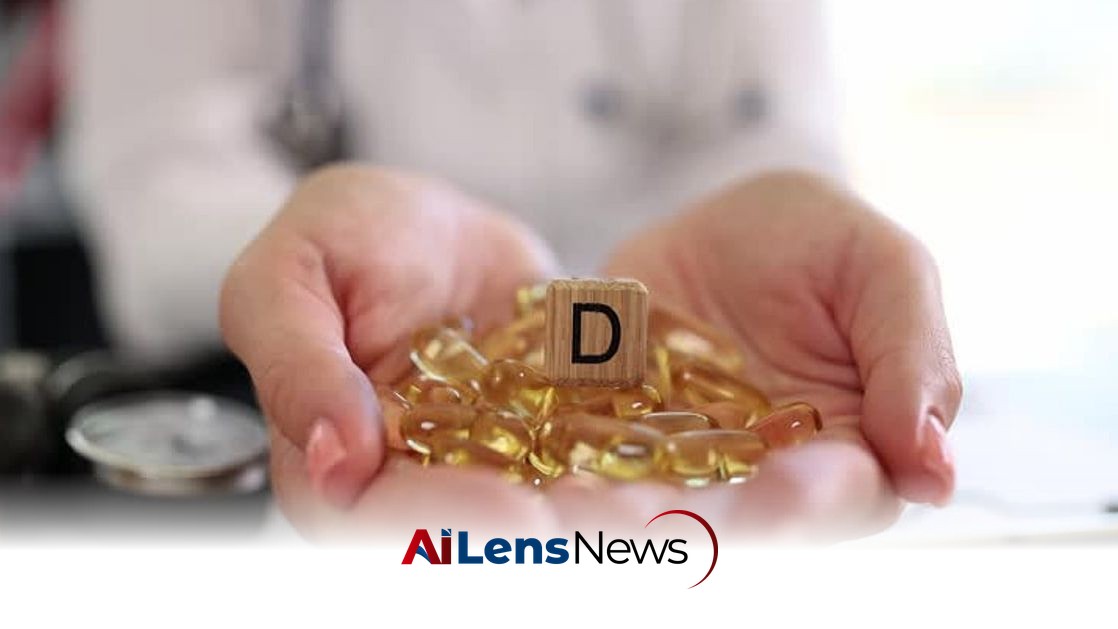


India's food safety authority has approved a plant-based Vitamin D3 supplement, providing a new option for the country's vegetarian population amid rising deficiency concerns.
New Delhi, India Jul 13, 2026 ALN: Bengaluru: India's food safety regulator has approved a plant-based Vitamin D3 supplement derived from soy oil waste, offering a new option for the country's predominantly vegetarian population. This approval marks a significant development in the realm of nutritional supplements, particularly as the demand for plant-based alternatives continues to rise amid increasing health awareness and dietary preferences.
The Food Safety and Standards Authority of India (FSSAI) cleared the supplement, which is sourced from phytosterols extracted from soy oil waste, in contrast to the traditional lanolin-based supplement derived from sheep's wool. This shift towards plant-based sources is particularly relevant in a country where a substantial portion of the population adheres to vegetarian or vegan diets, as it provides a viable alternative without compromising dietary restrictions.
Doctors say current research indicates that the source of Vitamin D, whether animal or plant, does not significantly alter how it functions in the body. This scientific backing is crucial as it reassures consumers about the efficacy of the new supplement. The approval is expected to enhance accessibility to Vitamin D, which is essential for various bodily functions, particularly in a nation where many individuals may not receive adequate sunlight exposure due to lifestyle, geographic, or cultural factors.
Significance of the Approval
Dr. Aravinda SN, Lead Consultant, Internal Medicine, emphasized the importance of this development: "India's approval of a plant-based Vitamin D3 is a major step in nutritional supplements, especially for people who prefer vegan or strictly vegetarian products. The usual Vitamin D3, often labelled as cholecalciferol, is typically derived from lanolin, a waxy material from sheep's wool." This approval not only provides a new option for consumers but also reflects a growing trend towards sustainability and plant-based nutrition in the health supplement industry.
"After intake, both types, plant-based and lanolin-derived, get converted into the same biologically active hormone," Dr. Aravinda added. This statement underscores the fact that the body processes Vitamin D from both sources in a similar manner, which may help alleviate concerns among consumers about the effectiveness of plant-based options.
Doctors say Vitamin D deficiency is no longer a lifestyle issue, but a public health concern. The increasing prevalence of deficiency has led health professionals to advocate for greater awareness and proactive measures to ensure adequate intake of this essential nutrient.
Widespread Deficiency
Dr. Shilpa Singi, Lead Consultant, Academies and Strategies, Internal Medicine, highlighted that Vitamin D deficiency has assumed alarming proportions owing to its enormous magnitude. "Some studies carried out in India have revealed that up to 70 to 90 percent of the population across all age groups may be suffering from Vitamin D deficiency in a country characterised by an abundance of sunlight," she said. This paradox raises questions about dietary habits, lifestyle choices, and the effectiveness of current public health initiatives aimed at addressing nutritional deficiencies.
While the effects of Vitamin D are widely associated with bone health, doctors say its role extends to several critical functions of the body. "Vitamin D supports muscle function, helping reduce muscle weakness and falls, particularly in older adults. It contributes to normal immune function by helping regulate immune responses and might influence resistance to certain infections," said Dr. Srividya S, Additional Director, General Medicine, at a private hospital in the city. The multifaceted benefits of Vitamin D highlight the importance of ensuring adequate levels in the population, particularly among vulnerable groups such as the elderly and those with limited sun exposure.
"Emerging evidence also suggests an association between low Vitamin D levels and conditions such as diabetes, cardiovascular disease, autoimmune disorders, and some chronic inflammatory conditions," she added. This connection between Vitamin D deficiency and chronic diseases underscores the need for comprehensive public health strategies that promote awareness and encourage regular screening for Vitamin D levels.
Word of Caution
Despite the benefits associated with Vitamin D supplementation, health professionals urge caution. Dr. Anusha Handral, Consultant, Diabetes and Endocrinology, cautioned against consuming vitamin supplements without tests or medical advice. "Excess Vitamin D capsules lead to increased calcium absorption, resulting in hypercalcemia. This can present with increased urination, increased thirst, constipation, vomiting, and sometimes even kidney failure," she said. This warning serves as a reminder that while supplements can be beneficial, they should be approached with care and under medical supervision to avoid adverse effects.
"Vitamin D supplementation should be taken under medical supervision to prevent complications of Vitamin D toxicity. The ideal time for sun exposure is between 10 am and 2 pm, due to maximum narrow-band UVB rays," she added. This information is crucial for individuals who may be considering supplementation as an alternative to sunlight exposure. It highlights the importance of balancing dietary intake, supplementation, and natural sources of Vitamin D to maintain optimal health.
The approval of the plant-based Vitamin D3 supplement by the FSSAI is a progressive step towards accommodating the dietary preferences of a large segment of the Indian population while addressing a critical public health issue. As awareness of nutritional deficiencies grows, it is likely that more individuals will seek out plant-based supplements, leading to a shift in consumer behavior and potentially influencing the broader health supplement market. This development could pave the way for further innovations in the formulation of dietary supplements that cater to diverse dietary needs and preferences.
In conclusion, the introduction of a plant-based Vitamin D3 supplement not only provides a new avenue for addressing Vitamin D deficiency in India but also reflects a broader trend towards plant-based nutrition and sustainability. As the health implications of Vitamin D deficiency become increasingly recognized, the demand for effective and accessible supplementation options will likely continue to rise, necessitating ongoing research and development in this field.
To learn more about the latest developments in Health News, stay updated with our exclusive reports and analyses on AiLensNews.

