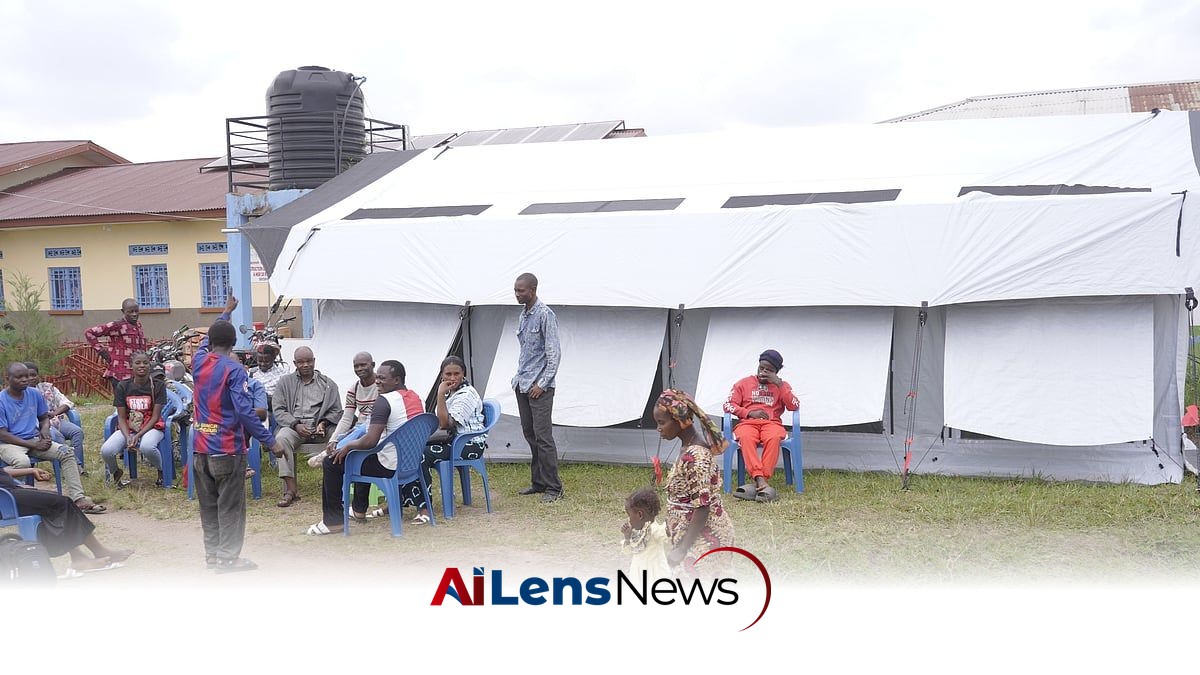


Workers at an Ebola treatment center in northeast Congo have gone on strike due to unpaid salaries and bonuses, complicating the ongoing outbreak response.
New Delhi, India Jul 14, 2026 ALN: Dozens of people working at an Ebola virus treatment center in northeast Congo went on strike Monday over unpaid salaries and bonuses, posing a new challenge for the fastest-growing Ebola outbreak ever recorded on the continent. The strike highlights not only the immediate concerns regarding the treatment of healthcare workers but also the broader implications of funding and resource allocation in the context of public health emergencies.
The ongoing outbreak in the Democratic Republic of the Congo (DRC) has been particularly severe, with the country battling a strain of the Ebola virus known as the Bundibugyo virus, which has no approved treatment or vaccine. Since the outbreak was officially declared on May 15, the situation has escalated, with health officials reporting that the virus has spread to additional provinces, complicating containment efforts. The World Health Organization (WHO) has been actively involved in monitoring and responding to the outbreak, emphasizing the need for swift and effective intervention to prevent further transmission.
The striking staff at Rwampara General Hospital in Ituri province, which is considered the epicenter of the outbreak, includes a diverse group of healthcare professionals—epidemiologists, case investigators, drivers, and gravediggers—who are essential to the response efforts. Their claims of unpaid salaries for two months underscore the precarious nature of funding in crisis situations, where delays and mismanagement can severely impact the morale and effectiveness of frontline workers. The protest escalated to the point where staff shut down the hospital and blocked access roads, even resorting to burning tires in a show of frustration.
“We don’t know how it is possible to not have been paid for two months,” Bahati Claude, a health worker at the hospital, expressed to The Associated Press. “We don’t want to give up the job.” This sentiment reflects a broader issue faced by healthcare workers in many regions, where inadequate compensation can lead to burnout and hinder recruitment efforts, ultimately affecting patient care and public health outcomes.
The treatment center in Rwampara is distinct from another facility in Ituri where a clinical study of two urgently needed treatments began earlier this month, indicating that while progress is being made in terms of research and potential therapeutic options, the operational challenges on the ground remain significant. The existence of multiple facilities working on different aspects of the outbreak response illustrates the complexity of managing an epidemic, where coordination and resource allocation are critical.
On the governmental side, Congolese authorities have acknowledged the challenges they face in managing the outbreak. Health Minister Roger Kamba stated that the government is currently verifying the list of individuals working to control the outbreak, as there have been reports of unrelated names being added to the payroll, which has led to discrepancies in payment. “We must ensure that these payments reach the right people,” Kamba said. “We have faced a few challenges, notably changes to the lists, which have led to complaints from people saying they are not being paid even though they are working. We have the means to sort this out.” This statement reflects an understanding of the importance of transparency and accountability in public health responses, especially during crises.
As of the latest reports, there are 1,926 confirmed cases of Ebola in the DRC, with 702 deaths. These numbers highlight the urgency of the situation and the need for sustained support from both national and international entities. The scale of the outbreak poses significant challenges not only for those directly affected by the virus but also for the healthcare system as a whole, which is often strained during such public health emergencies.
In addition to the local implications of the strike and ongoing outbreak, the situation has garnered international attention. WHO Director-General Tedros Adhanom Ghebreyesus shared on social media that a second U.S. citizen, a humanitarian worker in eastern Congo, had been transferred to Germany after contracting Ebola. The first American to test positive was a doctor working in Congo during the early weeks of the outbreak. Such cases serve as a reminder of the global interconnectedness of health issues, where outbreaks can have far-reaching effects beyond national borders.
The strike at the treatment center not only brings to light the immediate concerns of healthcare workers but also raises questions about the sustainability of funding for health emergencies in the DRC and similar contexts. The importance of timely compensation for healthcare workers cannot be overstated, as these individuals are the backbone of the response efforts. Without their dedication and expertise, the fight against Ebola and other infectious diseases becomes increasingly difficult.
Furthermore, the situation in Congo serves as a case study for other regions facing similar health crises. It underscores the necessity for robust systems of support and accountability to ensure that healthcare workers are adequately compensated and that their contributions are recognized. As the world continues to grapple with various health emergencies, lessons learned from the DRC's Ebola outbreak may inform future responses and strategies to improve healthcare infrastructure and crisis management.
In conclusion, the strike at the Rwampara General Hospital is emblematic of the challenges faced in managing an Ebola outbreak and highlights the critical role of healthcare workers in such situations. The ongoing efforts to control the outbreak, coupled with the need for timely compensation and support for frontline workers, will be essential in determining the trajectory of this health crisis. As the DRC continues to navigate this outbreak, the international community's support and engagement will be crucial in addressing both immediate and long-term health needs.
To learn more about the latest developments in Health News, stay updated with our exclusive reports and analyses on AiLensNews.

