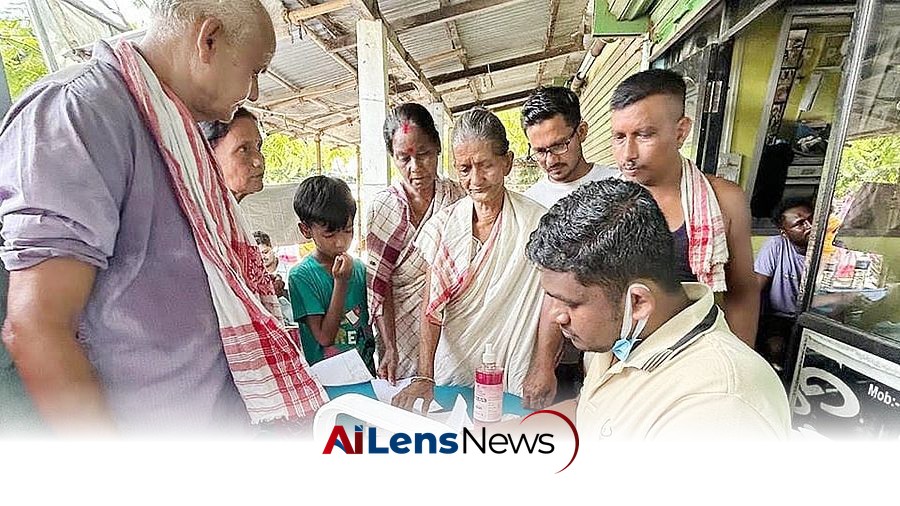


Vivekananda Kendra–NRL Hospital's Mobile Medical Units provided essential healthcare to flood-affected communities in Golaghat district, treating 362 patients.
Dispur, India Jul 26, 2026 ALN: In response to the devastating floods that have impacted various regions in Assam, especially Golaghat district, the Mobile Medical Units of Vivekananda Kendra–NRL Hospital have been actively engaged in providing healthcare services to flood-affected communities. On July 24, these units organized a series of flood relief medical camps aimed at addressing the urgent healthcare needs of those affected by the floods.
Mobile Medical Unit–1 was deployed to several locations, including Basabharalua, Salikihat, and Kanaimohol Chariali, where it successfully treated a total of 187 patients. This patient demographic included 83 men and 104 women, highlighting the significant impact of the floods on both genders. Among those treated, 161 were adults (above 18 years), while 26 were children and adolescents (below 18 years). In a parallel effort, Mobile Medical Unit–2 set up a medical camp at Kanaimohol Chariali, Kamarbandha (Golaghat), where it provided care to an additional 175 patients, comprising 89 men and 86 women. In this group, 156 were adults and 19 were minors.
In total, the two mobile medical units delivered free medical consultations, essential medicines, and health counselling to 362 patients throughout the day. This initiative underscores the critical role of mobile medical units in disaster response, particularly in remote and underserved areas where access to healthcare can be severely limited during natural disasters.
The health issues reported at the camps were varied and indicative of the challenges faced by flood-affected populations. The most commonly reported ailments included fever, cold and cough, respiratory infections, eye ailments, back pain, body aches, diarrhoea, fungal skin infections, anaemia, and skin and soft tissue injuries. Such health concerns are often exacerbated in the wake of flooding due to factors like contaminated water sources, overcrowding in temporary shelters, and limited access to hygiene facilities. Additionally, patients suffering from chronic conditions such as diabetes and hypertension were also able to undergo health check-ups, which are crucial for managing these conditions, especially during times of crisis.
Furthermore, the medical camps prioritized the health of pregnant women, who received antenatal health check-ups, essential medicines, and counselling on crucial topics such as pregnancy care, nutrition, personal hygiene, and warning signs that require immediate medical attention. This focus on maternal health is vital, as pregnant women are particularly vulnerable during emergencies, and ensuring their health can have lasting impacts on both maternal and infant outcomes.
The authorities at Vivekananda Kendra–NRL Hospital have indicated that the flood relief medical mission will continue in the affected areas in the coming days, emphasizing their commitment to supporting the health needs of the community during this challenging time. The distribution of medicines was carried out free of cost, alleviating some of the financial burden that flood-affected individuals may face. For patients requiring more advanced treatment, referrals were made to the hospital for specialized medical care, ensuring that those with more severe health issues receive the attention they need.
This initiative by Vivekananda Kendra–NRL Hospital reflects a broader trend of utilizing mobile medical units in disaster response scenarios. Mobile medical units have become an essential component of humanitarian efforts, particularly in regions prone to natural disasters. They provide a flexible and responsive healthcare solution, enabling medical professionals to reach affected populations quickly and efficiently. In Assam, where flooding is a recurrent issue, such initiatives are crucial in mitigating the health impacts of disasters.
Flooding in Assam is often linked to seasonal monsoons, which can lead to rivers overflowing and inundating surrounding areas. The state has historically faced challenges related to flooding, which can displace communities, damage infrastructure, and disrupt access to basic services, including healthcare. The ongoing efforts by organizations like Vivekananda Kendra–NRL Hospital play a critical role in addressing these challenges and ensuring that vulnerable populations receive the necessary medical attention.
Moreover, the implications of such health interventions extend beyond immediate treatment. By addressing health needs in the aftermath of floods, these initiatives can contribute to the overall resilience of communities. Healthier populations are better equipped to recover from the impacts of disasters and can more effectively participate in rebuilding efforts. This is particularly important in rural and semi-urban areas, where healthcare resources may already be scarce.
In conclusion, the flood relief medical camps organized by the Mobile Medical Units of Vivekananda Kendra–NRL Hospital represent a vital response to the healthcare needs of those affected by the floods in Golaghat, Assam. As the situation continues to evolve, the commitment to providing ongoing medical support will be essential in helping communities recover and rebuild their lives in the wake of this disaster.
In the broader context, Assam's history with flooding is intertwined with the state's geography and climate. The Brahmaputra River, one of the major rivers in the region, experiences significant swelling during the monsoon season, leading to widespread flooding. This natural phenomenon not only impacts human settlements but also affects agriculture, livestock, and local economies. The recurring nature of these floods necessitates a robust response mechanism, including healthcare services, to minimize the health risks associated with such disasters.
In addition to immediate healthcare needs, the aftermath of flooding often sees a rise in mental health issues among affected populations. The stress of losing homes, livelihoods, and loved ones can lead to anxiety, depression, and other mental health disorders. Therefore, addressing mental health alongside physical health is crucial for a holistic recovery process. Future initiatives could consider integrating mental health support into their offerings to provide comprehensive care for flood-affected individuals.
The role of local governments and non-governmental organizations (NGOs) is also pivotal in disaster response. Collaborations between healthcare providers, local authorities, and community organizations can enhance the effectiveness of relief efforts. By working together, these entities can ensure that resources are allocated efficiently, and that the most vulnerable populations receive the necessary support.
In light of the ongoing climate crisis, it is essential to consider long-term strategies for disaster risk reduction and management. Investing in infrastructure improvements, early warning systems, and community education can help mitigate the impacts of flooding in the future. Moreover, raising awareness about the importance of health preparedness in disaster-prone areas can empower communities to take proactive steps in safeguarding their health during emergencies.
As the situation in Golaghat continues to develop, the commitment of organizations like Vivekananda Kendra–NRL Hospital to provide healthcare services is commendable. Their efforts not only address immediate health concerns but also contribute to the resilience and recovery of communities in the face of adversity. The ongoing support from both governmental and non-governmental entities will be crucial in ensuring that the health needs of flood-affected populations are met effectively and comprehensively.
In summary, the flood relief medical camps organized by the Mobile Medical Units of Vivekananda Kendra–NRL Hospital are a testament to the importance of timely and accessible healthcare in disaster-stricken areas. By prioritizing the health of vulnerable populations, these initiatives play a critical role in the broader context of disaster response and recovery, ultimately contributing to the resilience of communities facing the challenges posed by natural disasters.
To learn more about the latest developments in Health News, stay updated with our exclusive reports and analyses on AiLensNews.

