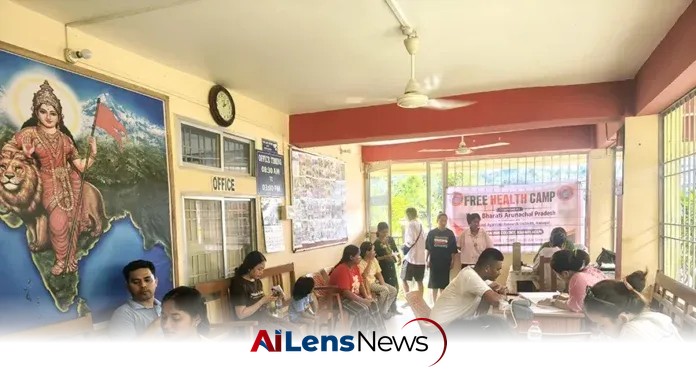


Seva Bharati organized a free health camp in Pachin village, treating around 120 patients with various ailments.
Itanagar, India Jul 23, 2026 ALN: NAHARLAGUN, 22 Jul: The Seva Bharati (SBAP) organized a free health camp at Pachin village here on Tuesday, in collaboration with the Regional Ayurveda Research Institute (RARI) Itanagar.
Around 120 patients suffering from ailments like fever, cough, and allergies were treated at the camp, which was inaugurated by SBAP president Dr. Rinchin Dorjee Megeji, in the presence of Shiksha Vikas Samiti state coordinator Sukamaran KV, and others.
Senior research fellow (Ayurveda) Dr. Joram Jayir and Dr. Tamchi Rohini conducted the camp. Patients were provided with free health check-ups and medicines.
The initiative to organize health camps in rural areas is part of a broader effort to improve healthcare access for underserved populations. Many villages, including Pachin, often face challenges in accessing quality healthcare services due to geographical isolation, a lack of healthcare infrastructure, and limited availability of medical professionals. Such camps serve to bridge this gap by bringing healthcare services directly to the community.
Health camps like the one organized by SBAP play a crucial role in preventive healthcare. By offering free consultations and treatments, they not only address immediate health concerns but also raise awareness about common health issues. In this instance, ailments such as fever, cough, and allergies were prevalent among the patients, indicating a possible need for further public health interventions in the area.
Moreover, the collaboration between SBAP and RARI highlights the increasing recognition of traditional medicine, particularly Ayurveda, in addressing health concerns. Ayurveda, an ancient system of medicine that originated in India, emphasizes a holistic approach to health and wellness. The involvement of qualified Ayurvedic practitioners like Dr. Joram Jayir and Dr. Tamchi Rohini ensures that patients receive care that is both effective and culturally relevant.
In recent years, there has been a growing trend towards integrating traditional and modern medical practices. This approach not only respects local traditions but also empowers communities by providing them with a range of options for healthcare. The presence of Ayurvedic practitioners at the health camp can help demystify Ayurveda for patients who may be unfamiliar with its principles and practices, thus promoting a more informed choice about their health.
Furthermore, free health camps can also serve as a platform for community engagement and education. During such events, healthcare professionals often take the opportunity to educate patients about preventive measures, lifestyle modifications, and the importance of seeking timely medical help. This educational aspect is vital in rural areas where health literacy might be lower.
The impact of these health camps extends beyond immediate health outcomes. They can foster a sense of community and trust between healthcare providers and residents, which is essential for long-term health initiatives. When communities feel supported and understood by healthcare professionals, they are more likely to engage in health-seeking behaviors, leading to improved health outcomes over time.
In the context of the ongoing public health challenges, including outbreaks of infectious diseases and the need for chronic disease management, initiatives like the health camp in Pachin village are essential. They not only provide immediate relief but also contribute to the overall resilience of the community in facing health challenges.
Looking ahead, it is important for organizations like SBAP and RARI to continue their efforts in organizing such health camps. To maximize their effectiveness, these camps could be complemented by follow-up programs that ensure patients receive ongoing care and support. Additionally, partnerships with local government health departments could enhance the reach and sustainability of these initiatives.
Ultimately, the free health camp in Pachin village is a testament to the power of community-driven healthcare initiatives. By bringing services directly to those in need, organizations can make significant strides in improving health outcomes, fostering community trust, and promoting a holistic approach to wellness. As more such initiatives are undertaken, it is hoped that they will inspire similar efforts in other underserved areas, contributing to a healthier and more equitable society.
Further context around the need for health camps in rural areas like Pachin village can be understood by examining the broader healthcare landscape in India. Many rural regions continue to struggle with inadequate healthcare facilities, a shortage of qualified healthcare professionals, and logistical challenges that hinder access to medical care. According to various health reports, rural populations are often at a disadvantage when it comes to accessing timely and effective healthcare services, which can lead to a higher incidence of untreated health conditions.
Moreover, the significance of traditional medicine systems like Ayurveda cannot be understated in this context. Ayurveda offers a range of treatments and preventive healthcare options that are often more accessible and culturally accepted in rural settings. The integration of Ayurveda into mainstream healthcare initiatives allows for a more comprehensive approach to health, catering to the specific needs and preferences of local populations.
In addition to improving immediate health outcomes, health camps also play a pivotal role in data collection and health surveillance. By monitoring the health conditions prevalent in specific areas, healthcare providers can identify trends and potential outbreaks, allowing for timely interventions. This data can be invaluable for local health authorities in planning future health initiatives and allocating resources where they are most needed.
The collaborative nature of such health camps also fosters a sense of partnership between various stakeholders, including local government, non-profit organizations, and community members. This collaboration is essential for building a sustainable healthcare model that can adapt to the changing needs of the population. As stakeholders work together, they can leverage their unique strengths to create a more robust healthcare framework that benefits everyone.
Additionally, these health camps can serve as a catalyst for further health education initiatives within the community. By establishing a dialogue between healthcare providers and residents, camps can pave the way for ongoing health education programs that address specific health challenges faced by the community. This could include workshops on nutrition, hygiene, mental health, and chronic disease management, which are crucial for fostering a healthier population.
Furthermore, the success of the health camp in Pachin village may encourage other communities to undertake similar initiatives. As awareness grows around the importance of accessible healthcare, more villages may seek to organize their own health camps, leading to a ripple effect that could significantly enhance the overall health landscape in rural India.
In conclusion, the free health camp organized by Seva Bharati in Pachin village is not just a one-time event; it represents a critical step towards improving healthcare access and outcomes in underserved communities. Through the collaboration of various stakeholders and the integration of traditional medicine, such initiatives can lay the groundwork for a healthier future, ensuring that all individuals, regardless of their geographical location, have the opportunity to receive quality healthcare services.
To learn more about the latest developments in Health News, stay updated with our exclusive reports and analyses on AiLensNews.

