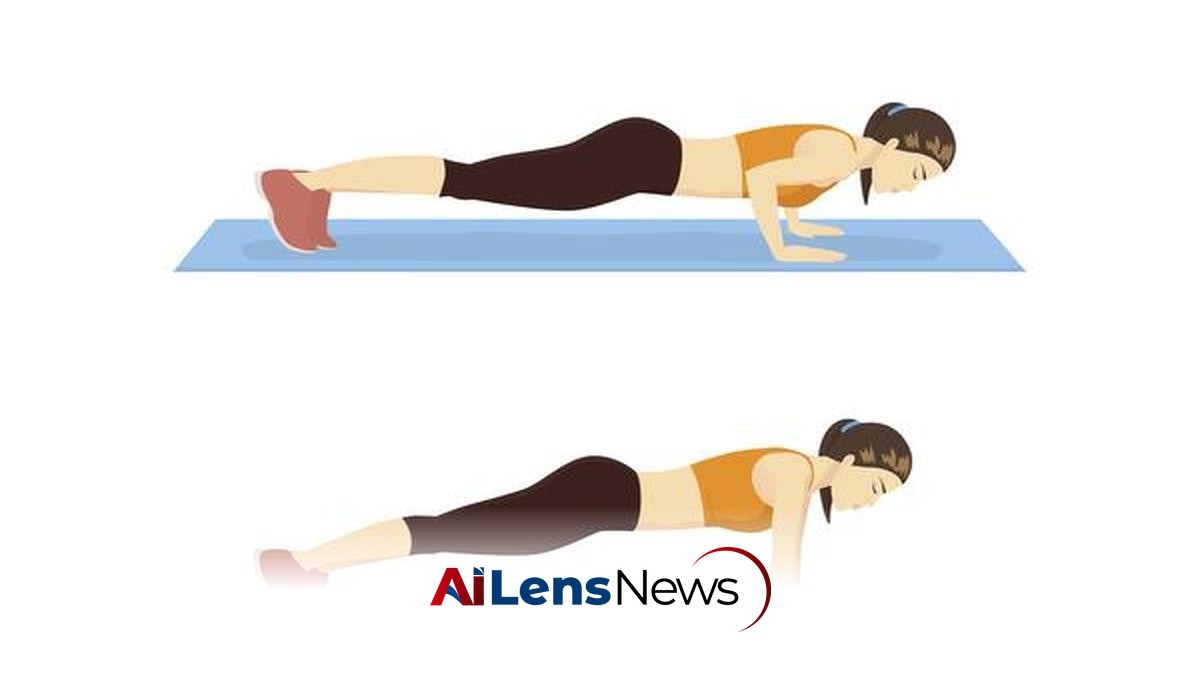


Master the art of push-ups with expert tips and techniques for beginners.
Port Blair, India Apr 12, 2021 ALN: The push-up is a fundamental upper-body exercise that has been a staple in fitness routines for decades. It primarily targets the pectoral muscles in the chest and the triceps in the arms, making it an effective exercise for building upper body strength. According to Arvind Ashok, co-founder of The Quad in Chennai, performing a push-up requires maintaining a straight line from head to toe while primarily moving the elbows. This alignment is crucial not only for maximizing the effectiveness of the exercise but also for preventing injuries. Ashok notes, "Anyone who can hold a plank for a minute can easily start on a push-up," emphasizing the foundational nature of this exercise in a broader fitness regimen.
Getting the technique right is crucial for effectiveness. To perform a standard push-up, begin by lying face down on the floor with your hands positioned slightly wider than shoulder-width apart. This hand placement is important as it allows for optimal engagement of the chest and triceps. Raise your body off the floor by extending your arms, ensuring that both your upper and lower body remain in a straight line. Lower your body closer to the floor by bending your arms, then push back up to the starting position. Ashok warns that incorrect form can strain your joints and lead to injury, so it is essential to grip the palms firmly on the floor and squeeze your armpits together while doing it. This technique helps stabilize the shoulders and maintain proper alignment throughout the movement.
Prashanti Ganesh, co-founder and senior coach at Strength System in Chennai, emphasizes that a push-up is essentially a moving plank. "The range of motion is more important than the number of repetitions and sets. Your body should be just an inch or so from the floor at the bottom of a push-up for it to count as a good rep," she explains. This focus on quality over quantity is particularly important for beginners, who may be tempted to perform as many repetitions as possible without proper form. Understanding that a push-up is not just about going through the motions but rather about engaging the right muscles effectively is crucial for long-term success.
For beginners, starting with a low-resistance version of the push-up is advisable before progressing to the standard version. This approach allows individuals to build strength and confidence gradually, which can lead to better results and reduced risk of injury. The following steps outline a progression that can help beginners master the push-up:
Push-ups in Five Easy Steps:
1. Start with a Wall Push-Up: Stand about two feet away from a wall. Extend your arms straight out in front of you, with your palms touching the wall at shoulder-level height and shoulder-width apart. Bend your elbows and lean your body toward the wall until your face almost touches it. Push back to the starting position and repeat. This exercise is excellent for developing the initial strength and understanding of the push-up movement without the full weight of the body.
2. Move on to High Bench Push-Ups: Use a kitchen countertop or dining table for this exercise. Stand facing the surface and place your hands wider than shoulder-width on it. Move your feet back until your arms are perpendicular to your body. Lower your chest by bending your arms, then push your body back up until your arms are extended; repeat. This step is a natural progression from wall push-ups, as it introduces a greater range of motion and requires more strength.
Supplementary Exercises:
3. Lower Bench Push-Ups: Use an exercise bench or stairs at home. Stand facing the stairs and place your hands on the second step. Move your feet back until your body forms a straight line. Lower your body by bending your elbows, then push back to the original position; repeat. This variation continues to build strength while maintaining a manageable level of resistance.
4. Improve Strength with Negative Push-Ups: Lie face down with your hands wider than shoulder-width. Raise your body, then slowly descend by bending your elbows. Drop to your knees and push your torso up. Once in position, straighten your legs and repeat. Negative push-ups focus on the eccentric phase of the movement, which is essential for building strength.
5. Progress to Knees Push-Ups: Lie face down with your hands slightly wider than shoulder-width. Bend your knees and raise your body by extending your arms. Use a pillow to reduce pressure on your knees. Lower your body to the floor by bending your arms, then push back up. Try this with one leg extended, and once comfortable, move on to stretching both legs with your forefeet on the floor to perform a standard push-up. This step marks the transition to the full push-up, where the individual must engage their entire body effectively.
As individuals progress through these stages, it is essential to listen to their bodies and avoid pushing beyond their limits. Proper recovery, including rest and nutrition, plays a critical role in building strength and preventing injuries. Additionally, incorporating variations of the push-up can help maintain interest and challenge the muscles in different ways. Variations such as diamond push-ups, wide-grip push-ups, and decline push-ups can engage different muscle groups and enhance overall upper body strength.
In conclusion, mastering the push-up is not just about completing a set number of repetitions but rather about understanding the mechanics of the movement and developing the necessary strength and stability. By following a structured progression, beginners can build their confidence and ability, ultimately leading to improved fitness levels and overall health. The push-up serves as a powerful tool in any fitness regimen, promoting not only physical strength but also discipline and perseverance as individuals work towards their fitness goals.
To learn more about the latest developments in Fitness & Nutrition, stay updated with our exclusive reports and analyses on AiLensNews.

